
Watering
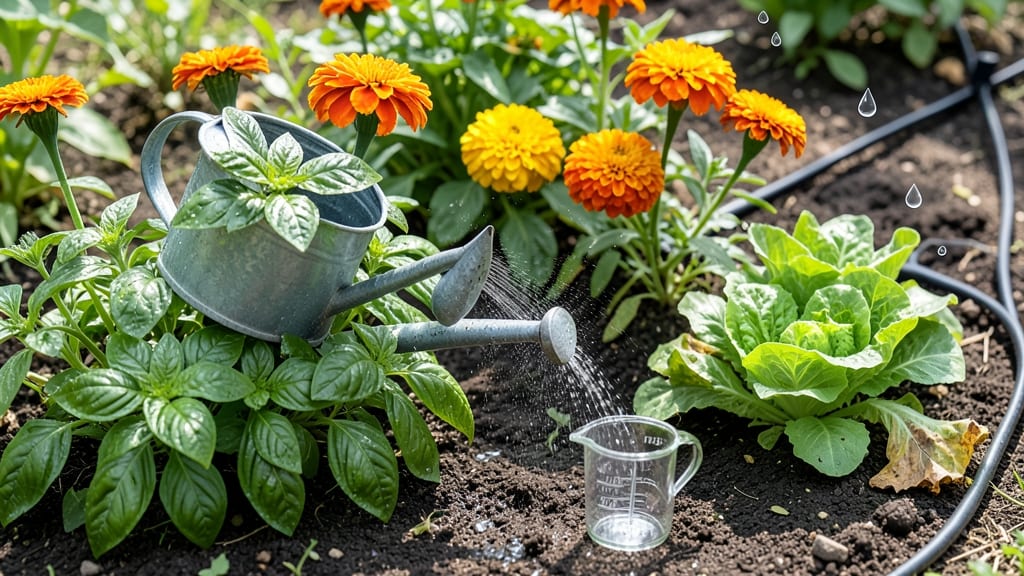
Your garden needs 1 to 2 inches of water per week to thrive, but that number changes faster than you think depending on what you’re growing, your soil, and the season.
Overwatering wastes resources and kills plants—while underwatering stunts growth—so knowing exactly how much water your garden needs is the difference between a thriving plot and a failed harvest.
Most gardeners guess, which means they either drown their 🌱 or leave them parched. The truth? A simple soil test and a few plant-specific rules can cut your water use by up to 40% while keeping everything lush.
Below, I break down the science-backed water needs for vegetables, flowers, and lawns—plus how to adjust for clay, sand, or drought conditions so you never waste a drop again.
Water requirements by plant type: a science-backed guide for efficient irrigation
Understanding water requirements by plant type is the key to efficient irrigation and a thriving garden. Every plant has unique needs—some like drought-tolerant succulents thrive with minimal water, while others, like leafy greens, demand consistent moisture.
The soil moisture threshold (typically 1-2 inches of water per week) is your starting point, but factors like climate, soil type, and plant maturity adjust this baseline dramatically.
For example, vegetables like tomatoes need 1-2 inches of water weekly, while herbs such as rosemary can survive on just half that amount. Flowers like petunias require regular watering, but lavender prefers dry conditions.
Trees, especially young ones, need deep, infrequent watering to establish strong roots. Let’s break down these needs by category for a science-backed approach to watering.
| Plant Type | Water Needs (per week) | Soil Moisture Threshold | Drought Tolerance | Best Time to Water |
|---|---|---|---|---|
| Vegetables (Tomatoes, Peppers) | 1.5–2 inches | 1–2 inches topsoil | Low | Morning (6–9 AM) |
| Herbs (Basil, Cilantro) | 0.75–1 inch | 0.5–1 inch topsoil | Medium | Evening (after 6 PM) |
| Flowers (Petunias, Marigolds) | 1–1.5 inches | 1 inch topsoil | Medium | Early morning |
| Drought-Tolerant (Lavender, Succulents) | 0.25–0.5 inch | Dry soil (check weekly) | High | Deep soak (bi-weekly) |
| Trees (Young Fruit Trees) | 2–3 inches (deep) | 2–3 inches deep soil | Low | Slow drip (early morning) |
Vegetables like tomatoes and peppers are high-water-need plants because their fruiting stages demand consistent moisture. Aim for 1.5–2 inches of water weekly, delivered directly to the soil (not leaves) to prevent fungal diseases. A drip irrigation system is ideal here—it delivers water slowly and evenly, reducing waste.
For leafy greens like lettuce and spinach, keep the soil evenly moist; letting it dry out causes bitter flavors and bolting.
Herbs often get overlooked, but they have diverse water needs. Basil and cilantro prefer 0.75–1 inch of water weekly and thrive in well-draining soil.
Overwatering leads to root rot, while underwatering causes wilting. Rosemary and thyme, on the other hand, are drought-tolerant herbs that only need water when the top inch of soil feels dry. A quick check with your finger (or a moisture meter) saves time and water.
Flowers like petunias and marigolds need 1–1.5 inches of water weekly, but their needs spike during hot summer months. Mulching around the base retains moisture and reduces evaporation. Drought-tolerant flowers, such as lavender and sedum, are perfect for low-maintenance gardens.
These plants store water in their leaves and roots, so they only need 0.25–0.5 inch of water every 2 weeks. Overwatering them is the real risk!
Trees are often the most water-intensive plants in a garden, especially young ones. A newly planted tree needs 2–3 inches of water weekly for the first year to establish roots.
Use a soaker hose or slow drip system to water deeply, encouraging roots to grow downward. Mature trees are more resilient but still benefit from deep water
How to calculate your garden’s water needs without guessing (with soil tests included)
Calculating your garden’s water needs doesn’t have to be a guessing game. Instead of relying on vague advice like "water when the soil feels dry," use a data-driven approach that accounts for your soil type, climate zone, and plant maturity.
This method ensures your garden gets the perfect amount of water—no more, no less—while saving resources and preventing plant stress.
Start by identifying your local climate zone (USDA or Köppen classification) and average rainfall. For example, a Zone 6 garden like mine in the Midwest receives about 30 inches of rain annually, but summer months often demand supplemental watering.
Next, assess your soil composition—sandy soils drain quickly and need frequent, shallow watering, while clay holds moisture longer and requires deep, infrequent soaks.
- 1
- 2
- 3
- 4
- 5
Don’t overlook the role of mulch—it’s one of the simplest ways to cut water usage by 30% while suppressing weeds. I use straw mulch for vegetables and wood chips for perennials, which also regulates soil temperature.
For container gardens, switch to coco coir or peat moss to retain moisture longer.
Seasonal adjustments are critical. In spring, focus on establishing root systems with light, frequent watering. By mid-summer, shift to deep watering every 3-4 days to encourage drought resistance. Always monitor weather forecasts—a heatwave may require daily watering for young plants.
Finally, track your garden’s progress. Keep a watering journal noting dates, amounts, and plant responses. For example, my peppers showed wilting by noon in 90°F heat, so I adjusted to drip irrigation at dawn. Over time, you’ll develop a customized watering schedule tailored to your garden’s unique needs.
With these steps, you’ll eliminate guesswork and create a thriving, efficient garden that conserves water while maximizing growth. Start with a soil test this weekend—your plants will thank you! 🌱💧