
Watering
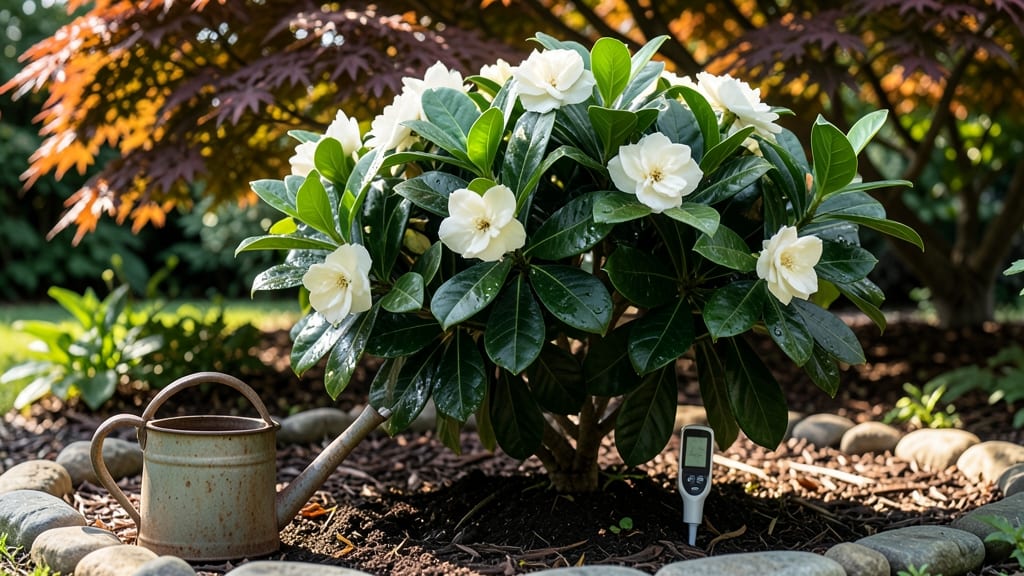
How much water do gardenias need to keep those fragrant blooms coming back year after year—but get it wrong, and you’ll end up with wilted leaves or root rot.
Struggling to keep your gardenias 🌸 blooming? The secret to their lush, fragrant flowers lies in mastering their watering needs—too much or too little can spell disaster for these tropical beauties.
Gardenias thrive when the soil stays consistently moist, but they hate soggy roots. Think of it like a sponge: they need a deep drink every few days, but never a puddle. In humid climates, you’ll water less often, while dry spells mean more frequent watering.
Below, I’ll break down the exact schedule for your zone, how to test soil moisture without a fancy tool, and the telltale signs your gardenia is thirsty—or drowning. Your blooms will thank you.
Ideal watering schedule for gardenias based on climate and season
Gardenias thrive when their watering routine mirrors their natural tropical habitat—consistent moisture without soggy roots. As a gardener who’s nursed countless gardenias back to blooming health, I’ve learned their needs shift dramatically with season and climate.
In my humid Southern garden, I water mine every 2-3 days in summer, while my friend in dry Arizona needs daily deep soaks. The key? Understanding your local conditions and adjusting like a pro.
Gardenias hate extremes—drought stress causes buds to drop, while waterlogged soil invites fungal diseases like root rot. My rule of thumb: water when the top 1-2 inches of soil feel dry to the touch.
But this changes with seasonal growth cycles. During spring’s active blooming phase, they drink more, while winter’s dormancy calls for patience. Let’s break down exactly how to water gardenias for lush, fragrant blooms year-round.
| Climate Type | Season | Watering Frequency | Soil Check Method | Signs of Stress |
|---|---|---|---|---|
| Hot/Dry (Zone 7-10) | Summer | Daily deep soak (1-2 gallons) | Top 1" dry | Drooping leaves, bud drop |
| Hot/Dry (Zone 7-10) | Spring/Fall | Every 2-3 days | Top 2" dry | Yellowing leaves, slow growth |
| Hot/Dry (Zone 7-10) | Winter | Bi-weekly light water | Top 3" dry | Wilted stems, leaf drop |
| Humid (Zone 8-11) | Summer | Every 3-4 days | Top 1.5" dry | Fungal spots, mold |
| Humid (Zone 8-11) | Spring/Fall | Every 4-5 days | Top 2.5" dry | Bud blast (no blooms) |
| Humid (Zone 8-11) | Winter | Monthly shallow water | Top 4" dry | Blackened stems |
In hot, dry climates, gardenias need daily watering during peak summer months to replace lost moisture. I remember my first gardenia nearly died in Arizona’s 110°F heat—until I switched to drip irrigation at dawn and mulched heavily.
The 1-2 gallon deep soaks saved it, and now it blooms like crazy. Always water at soil level, not the leaves, to prevent fungal issues in these conditions.
Humid climates like Florida or Hawaii require a gentler touch. Here, I water every 3-4 days in summer, letting the top 1.5 inches dry between sessions. The high humidity means fungal diseases lurk constantly—watch for blackened leaves or moldy buds, which signal overwatering.
My trick? Improve airflow with pruning and avoid evening watering to let foliage dry quickly.
Seasonal shifts demand adjustments. Spring’s active growth means increased watering—I aim for 2-3 times weekly as buds form. But by late summer, when blooming winds down, I taper to every 4-5 days.
Winter care varies wildly: in Zone 7, I water bi-weekly, while in Zone 10, a
How to test soil moisture like a pro: the 3-Finger method for gardenias
Mastering the 3-finger method for gardenias ensures you water just enough to keep their roots happy without drowning them. These tropical shrubs thrive on consistent moisture but hate soggy soil—so checking soil moisture before watering is your secret weapon for lush blooms and healthy foliage.
The trick? Stick your finger deep enough to feel the true moisture level, not just the surface.
Most gardeners make the mistake of watering based on a schedule rather than soil conditions. Gardenias need well-draining, acidic soil that stays evenly moist but never waterlogged.
The 3-finger test helps you avoid both overwatering and underwatering, which can cause yellow leaves or bud drop—two common signs your gardenias are stressed. Let’s break it down step by step.
💧 How Much Water Do Gardenias Need?
Deep soak every 3-5 days in hot weather, 1-2x weekly in cooler months. Gardenias need about 1-1.5 inches of water per week, but adjust based on soil type:
- Sandy soil: Drains fast—water more frequently (every 2-3 days).
- Clay soil: Holds moisture longer—water every 5-7 days.
- Morning watering: Best time to reduce fungal risks.
🌱 Pro Tip: Mulch around the base to retain moisture and regulate soil temperature.
Start by inserting your index finger about 2-3 inches deep into the soil near your gardenia’s base. This depth mirrors where the plant’s roots actively absorb water. If the soil feels dry at this level, it’s time to water.
For sandy soil, you might need to check daily, while clay soil can go longer between waterings because it retains moisture better.
Timing matters too. Water your gardenias in the early morning (before 10 AM) to give foliage time to dry, reducing the risk of powdery mildew or fungal diseases. Avoid evening watering, as damp leaves overnight create a breeding ground for pests and diseases.
If you’re unsure, stick to the morning routine—it’s the safest bet for healthy gardenias.
For extra precision, invest in a moisture meter or a simple soil probe. These tools take the guesswork out of soil moisture testing, especially if you’re juggling multiple plants.
I’ve found that a basic $10 moisture meter from a garden center pays for itself in saved plants and fewer watering mistakes. Pair it with your finger test for the most accurate results.
Watch your gardenias for visual cues too. Drooping leaves or buds that fall before opening often signal underwatering, while yellowing leaves or moldy stems point to overwatering.
Adjust your watering schedule based on these signs, and don’t forget to check soil moisture after heavy rain—your gardenias might not need extra water if the ground is already saturated.
With practice, the 3-finger method becomes second nature, and your gardenias will reward you with glossy leaves and abundant blooms. Remember, consistency is key—gardenias thrive on routine, so stick to your moisture checks and watering schedule.
Soon, you’ll have the perfect balance for show-stopping gardenias that neighbors will envy. 🌸