
How To
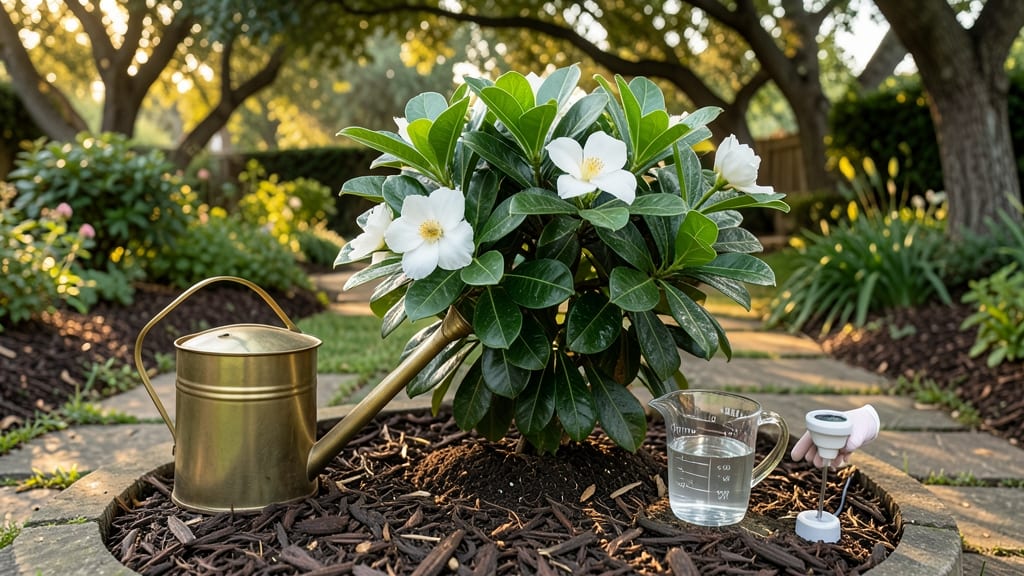
Watering gardenias the right way keeps those fragrant 🌸 blooms coming back every season — and the key isn’t guessing how often, but checking soil moisture first.
Struggling to keep your gardenia blooming? The secret isn’t just how much you water—it’s when and how you check soil moisture. Overwatering or underwatering can kill these fragrant beauties, but a simple soil-damp test reveals the perfect schedule for your climate and soil type.
Most gardeners water too often, drowning roots in soggy soil that rots before the plant can drink. Others wait until the leaves wilt, but by then, it’s already too late.
The trick is keeping the top 1-2 inches of soil lightly moist — like a wrung-out sponge — without letting it turn to mud.
Below, I break down the exact soil test method, seasonal tweaks for 6a climates, and how to spot the subtle signs your gardenia is thirsty or drowning. No more guesswork, just consistent blooms all season.
Gardenias’ ideal watering schedule: the 1-2 inch soil test method
Mastering the art of watering gardenias starts with understanding their soil moisture needs. These tropical beauties thrive on consistent hydration but wilt quickly in soggy conditions. The key?
A simple 1-2 inch soil test that adapts to your climate, pot size, and season. Unlike thirsty succulents, gardenias demand predictable moisture—neither bone-dry nor waterlogged.
Most gardeners overestimate how often to water gardenias, leading to root rot or stunted blooms. The solution? Check soil dampness before watering—your fingers are the best tool.
In-ground plants may need water every 3-4 days, while potted gardenias dry out faster, often requiring daily checks in summer. Let’s break it down step by step.
How Often to Water Gardenias: The Finger Test Method
- 1 Wait until the top 1-2 inches of soil feel dry—stick your finger 1-2 inches deep. If it’s damp, wait another day.
- 2 Water deeply until it drains from the bottom—for pots, let excess water run out the drainage holes. In-ground plants need 1-1.5 gallons per watering.
- 3 Adjust for pot size—small pots (under 10 inches) dry faster; water every 1-2 days. Large containers (12+ inches) may last 3-4 days between waterings.
- 4 Watch for wilting or yellowing leaves—these are visual cues to water sooner. Drooping leaves mean it’s too late; act immediately.
- 5 Reduce watering in winter—dormant gardenias need half the water (every 7-10 days). Check soil less frequently.
Humidity plays a huge role in your gardenia’s watering needs. In dry climates (like Arizona or California), you’ll water daily in summer—sometimes twice a day for potted plants.
But in humid regions (e.g., Florida or Southeast U.S.), the air retains moisture longer, so you can stretch waterings to every 3-5 days. Use a hygrometer to track humidity levels if you’re unsure.
Seasonal shifts demand flexibility. During spring and fall, gardenias thrive on a 2-3 day watering schedule, but summer heat can double that frequency. Pro tip: Mulch around the base with organic matter (like pine bark) to lock in moisture and keep roots cool.
This reduces evaporation and cuts watering needs by 20-30%.
Potted gardenias are trickier because containers dry out 3x faster than in-ground plants. If your pot lacks drainage holes, repot immediately—soggy roots lead to fungal diseases and leaf drop.
For containers, weigh them before watering: a dry pot feels light, while a moist one stays heavier. This hack saves time and prevents overwatering.
Ever noticed yellowing leaf edges or drooping buds? These are classic signs of water stress. Yellowing often means overwatering (or poor drainage), while crispy edges signal underwatering.
Adjust your schedule: if leaves curl upward, water more; if they sag limp, reduce frequency. Gardenias communicate their needs—learn to listen!
Morning watering is a game-changer. Watering in the early hours (before 10 AM) lets foliage dry quickly, preventing fungal infections like powdery mildew. Avoid evening waterings—wet leaves overnight invite pests and diseases. For in-ground plants, use a soaker hose to deliver water slowly at the root zone, mimicking natural rainfall.
New gardenia owners often panic when leaves yellow and drop. Before blaming water, check for chlorine in tap water—many municipal supplies contain harmful levels. Let tap water sit 24 hours before using or switch to rainwater or distilled water.
Acid-loving gardenias also need peat moss or sulfur in soil to thrive.
Consistency is everything with gardenias. Stick to your 1-2 inch soil test routine, and you’ll enjoy lush blooms year-round. Track your plant’s response to adjustments—keep a simple journal noting watering dates, leaf condition, and bloom count. Over time, you’ll fine-tune the perfect schedule for your gardenia’s unique environment. 🌸
Common watering mistakes that kill gardenias (and how to fix them)
Gardenias are thirsty plants that wilt fast when underwatered, but their roots rot just as quickly when overwatered. The biggest mistake? Assuming a one-size-fits-all schedule works for all gardenia varieties. In reality, 'Kleim’s Hardy' tolerates slightly drier soil than 'Radicans', which thrives in consistently moist conditions.
Let’s fix these common watering errors before your plant’s leaves turn yellow or drop entirely.
First, overwatering is the silent killer—most gardeners drown their plants by watering on a strict daily schedule without checking soil moisture. Yellowing leaves and mushy stems are classic signs of root rot, which spreads when roots suffocate in soggy soil.
The fix? Let the top 1-2 inches of soil dry between waterings, and always use pots with drainage holes to prevent waterlogging.
⚠️ Callout-Warning: Tap water can kill gardenias too! Chlorine and fluoride in municipal water raise soil pH, making nutrients unavailable. Always use rainwater or distilled water, or let tap water sit 24 hours before watering to allow chlorine to evaporate.
For potted plants, flush the soil monthly with filtered water to prevent buildup.
| Variety | Watering Frequency (In-Ground) | Watering Frequency (Potted) | Soil Moisture Test |
|---|---|---|---|
| 'Kleim’s Hardy' | Every 3-4 days (summer) | Every 1-2 days (summer) | Top 2" dry |
| 'Radicans' | Every 2-3 days (summer) | Daily (summer) | Top 1" dry |
| 'Veitchii' | Every 4-5 days (summer) | Every 2 days (summer) | Top 1.5" dry |
| All Varieties (Winter) | Every 7-10 days | Every 5-7 days | Top 3" dry |
Underwatering shows up as crispy leaf edges and drooping foliage, but it’s often confused with natural wilting during hot afternoons. To test, stick your finger 2 inches deep into the soil—if it feels dry, water thoroughly until it drains from the bottom.
For potted gardenias, weight matters: a dry pot feels 30% lighter than when fully moist. Adjust your schedule based on your climate—humid areas need less frequent watering than dry, windy spots.
Recovering from watering mistakes starts with correcting soil drainage. For overwatered plants, trim away blackened roots and repot in fresh, acidic potting mix (pH 5.0–6.5). Add perlite or orchid bark to improve aeration.
If your gardenia is underwatered, soak the root zone for 10-15 minutes to rehydrate, then mulch with 2 inches of pine bark to retain moisture. Consistency is key—gardenias hate feast-or-famine watering.
Pro tip: Group gardenias with thirsty companions like hydrangeas or camellias to create a microclimate that retains humidity. Avoid placing them near air-conditioning vents or heat sources, which dry out soil faster.
With the right balance, your gardenia will reward you with glossy leaves and fragrant blooms all season long.