
Pruning
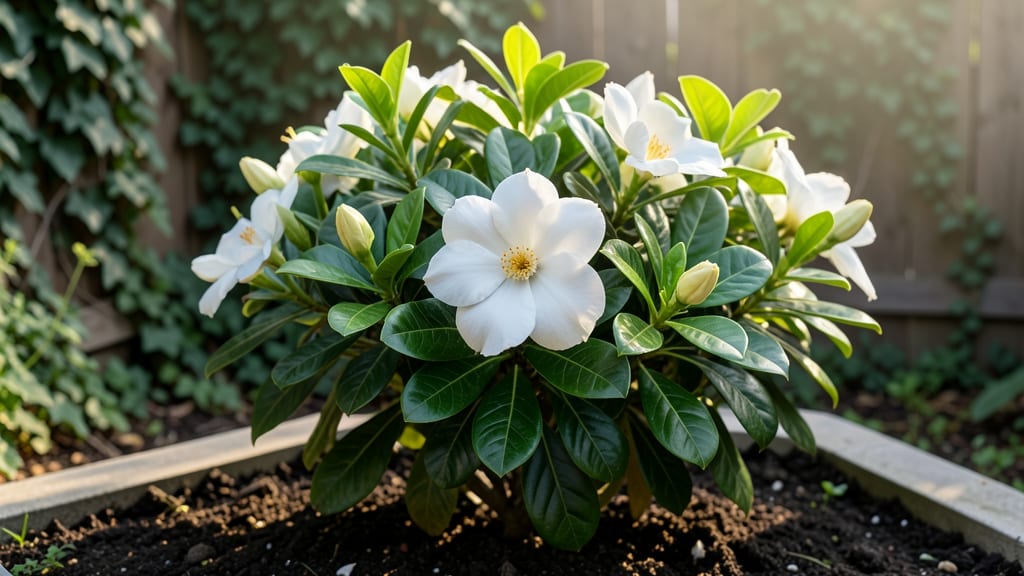
A gardenia tree’s height can reach 10 feet or more 🌸, turning your yard into a fragrant sanctuary—but only if you let it. If you’ve ever dreamed of a fragrant garden but worry about these beauties growing uncontrollably, you’re not alone.
These tropical shrubs can easily outgrow their space if left unchecked, which is why understanding their natural growth patterns and how to manage them is key.
What’s surprising is how quickly they grow—some varieties shoot up 3 feet in a single year if given the right conditions. Without pruning, a gardenia can become a towering presence, blocking sunlight for other plants or even your home’s windows.
The good news? With the right techniques, you can keep them at a manageable size while still enjoying their intoxicating blooms.
In this guide, I’ll break down the factors that influence gardenia tree height—from soil and sunlight to pruning timing—and share expert tips for controlling growth without sacrificing those signature white flowers.
Whether you’re working with a dwarf variety or a standard-sized shrub, you’ll learn how to shape your gardenia into the perfect fit for your outdoor space.
Ready to take control? Let’s dive into how to choose the right variety, prune for ideal height, and keep your gardenia thriving year after year.

Natural gardenia tree height by variety: small vs. large-growing types
Choosing a gardenia tree means balancing your dream of fragrant blooms with the reality of space constraints. The Gardenia jasminoides, the most common variety, typically grows between 6 to 10 feet tall at maturity, but not all gardenias follow this rule.
Some varieties stay compact, while others can reach 15 feet or more if left unchecked. Understanding these differences helps you pick the perfect plant for your garden layout, whether you need a privacy screen or a container-friendly accent plant.
Dwarf varieties are ideal for small gardens, patios, or even large containers, while standard types thrive in spacious landscapes. The key is selecting a variety that matches your available space and garden style.
For example, a 6-foot gardenia fits neatly under a window, while a 12-foot specimen makes a stunning focal point in a backyard. Let’s explore the height differences so you can make an informed choice.
🌸
| Variety | Mature Height | Growth Rate | Best For | Notes |
|---|---|---|---|---|
| Radicans | 3–5 ft | Slow to moderate | Containers, small gardens | Dwarf variety with trailing habit; great for hanging baskets. |
| Kleim’s Hardy | 5–7 ft | Moderate | Foundation plantings | More cold-hardy; tolerates USDA Zone 7 with protection. |
| Veitchii | 6–8 ft | Moderate | Privacy screens, hedges | Large, fragrant blooms; needs regular pruning. |
| Fortuniana | 10–15 ft | Fast | Large landscapes, shade trees | Tallest variety; requires space and structural support. |
| August Beauty | 4–6 ft | Slow | Containers, patios | Compact and bushy; blooms prolifically in summer. |
If you’re working with limited space, Radicans or August Beauty are excellent choices, both staying under 6 feet tall. These dwarf varieties thrive in containers and can even be grown as bushes with proper pruning.
On the other hand, if you’re designing a backyard retreat or need a shade tree, Fortuniana or Veitchii will deliver the height and fragrance you crave.
One common misconception is that all gardenias grow tall. In reality, their height is largely determined by the variety and pruning habits. For instance, Kleim’s Hardy is a mid-sized option that balances height and cold tolerance, making it ideal for northern climates where other gardenias might struggle.
Always check the mature height label when shopping, as nurseries sometimes sell plants labeled
How to control gardenia tree height: pruning techniques by season
Pruning your gardenia tree isn't just about keeping it tidy—it's the secret to controlling its height growth while preserving those intoxicating blooms. The key lies in timing and technique, as gardenias respond differently to cuts made in spring versus summer.
I’ve learned through experience that a well-timed prune can transform a sprawling shrub into a neatly shaped tree or encourage a bushier form without sacrificing fragrance.
Before grabbing your pruning shears, understand that gardenias grow best with light pruning—overzealous cuts can stress the plant and reduce flowering. The goal is to shape while stimulating new growth in the right places.
Whether you want a taller gardenia tree for privacy or a compact shrub for containers, mastering these seasonal techniques will give you the control you need.
Step-by-Step Pruning Guide
- 1 Choose the right season: Prune in late winter or early spring (just before new growth starts) to encourage bushier growth. Avoid pruning in fall as it can stimulate tender new shoots vulnerable to frost.
- 2 Gather your tools: Use sterilized pruning shears for clean cuts and a sharp bypass pruner for thicker branches. Disinfect tools with rubbing alcohol to prevent disease spread.
- 3 Remove dead or crossing branches: Start by cutting out dead wood and branches that rub against others. This improves airflow and reduces disease risk. Make cuts at a 45-degree angle just above a leaf node.
- 4 Shape for height control: To reduce height, cut back the tallest branches by 1/3 at their base. For a tree-like shape, remove lower branches to create a trunk. Avoid cutting into old wood—new growth emerges from younger stems.
- 5 Encourage bushiness: For a fuller gardenia, trim the tips of branches to promote side shoots. Focus on the outer third of the plant to fill out its form without losing height.
- 6 Summer light pruning: If needed, do minimal pruning in summer (after flowering) to shape new growth. Avoid heavy cuts—this can stress the plant and delay fall blooms. Focus on removing spent flowers to encourage more blooms.
- 7 Post-pruning care: Water deeply after pruning and apply a layer of mulch to retain moisture. Avoid fertilizing immediately—wait 4-6 weeks to let the plant recover before feeding.
Timing is everything when it comes to gardenia tree height control. Pruning in early spring (before buds swell) gives your plant the best chance to recover and produce new growth.
If you must prune in summer, do so only after the main flowering period to avoid cutting off potential blooms for next season. I’ve found that gardenias respond best to gradual shaping—never remove more than 25% of the plant’s foliage in one session.
For dwarf varieties like 'Kleim's Hardy' (which max out at 3-5 feet), light pruning is all you need to maintain their compact form. Meanwhile, standard varieties like 'Radicans' can reach 10 feet or more, so regular height control is essential.
Always step back and assess your gardenia’s shape after pruning—this helps you spot missed areas and ensures balanced growth.
One common mistake I see is pruning too late in the season, which can leave gardenias vulnerable to winter cold or pests. If you miss the spring window, wait until early summer but keep cuts minimal.
Remember, gardenias are slow to recover from heavy pruning, so patience and precision pay off in lush, fragrant foliage and blooms.
With these techniques, you’ll enjoy a well-managed gardenia tree that fits your space perfectly while still filling your garden with that signature jasmine-like fragrance. Happy pruning—your garden (and nose) will thank you! 🌸✂️🌿