
How To
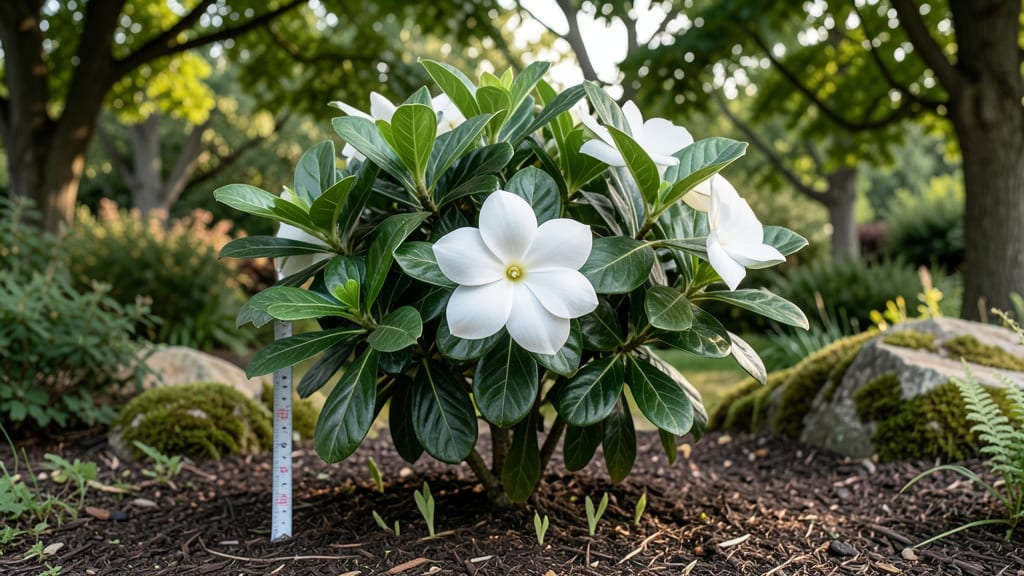
How tall does gardenia grow? The answer depends on the variety and care you provide—ranging from compact shrubs to small trees that can transform your landscape.
If you’ve ever dreamed of growing the fragrant gardenias that perfume Southern gardens but hesitated because of their size, you’re not alone. Many gardeners wonder whether these 🌸 beauties will fit in their yard or if they’ll need to trim them back constantly.
The good news? With the right variety and a few simple care tips, you can keep them at your ideal height.
Most gardenias, like the classic Gardenia jasminoides, mature into 4- to 6-foot shrubs—tall enough to create a natural privacy screen but manageable for most gardens. Dwarf varieties, on the other hand, stay between 2 and 3 feet, making them perfect for containers or small spaces.
The key to controlling their height lies in pruning, sunlight, and soil conditions.
Below, I’ll break down how to choose the right variety for your space, the factors that influence growth, and practical tips to keep your gardenias at the perfect height—whether you want a neat hedge or a towering centerpiece.


Gardenia height by variety: shrub vs tree growth comparison
When planning your garden, knowing how tall gardenias grow helps you choose the perfect variety for your space. Gardenias naturally grow as either compact shrubs or taller small trees, with mature heights ranging from just 2 feet to over 6 feet.
The difference often comes down to genetics—some varieties stay low and bushy, while others stretch skyward with a single trunk. Whether you need a container-friendly dwarf or a privacy-screening giant, selecting the right type ensures your gardenia thrives without outgrowing its space.
Most gardeners start with the classic Gardenia jasminoides, which typically matures between 4 and 6 feet tall. This variety is versatile, making it ideal for hedges, foundation plantings, or even standalone specimens.
However, if your garden is small or you prefer potted gardenias, dwarf varieties like 'Radicans' or 'Kleim's Hardy' stay under 3 feet tall. Understanding these differences lets you tailor your garden design to your needs—whether you want a fragrant border or a scented focal point.
| Variety | Mature Height | Growth Habit | Best For |
|---|---|---|---|
| 'Radicans' | 2–3 ft | Dwarf shrub | Containers, borders, small gardens |
| 'Kleim's Hardy' | 3–4 ft | Compact shrub | Foundation plantings, hedges |
| 'Gardenia jasminoides' | 4–6 ft | Small tree/shrub | Privacy screens, specimen plantings |
| 'Fortuniana' | 6–8 ft | Tree-like shrub | Large gardens, tropical landscapes |
| 'Veitchii' | 3–5 ft | Bushy shrub | Cut flowers, mixed borders |
If you're working with limited space, 'Radicans' is my top recommendation for container gardening. This variety stays under 3 feet tall and wide, making it perfect for patios, balconies, or even indoor growing near bright windows. Its trailing habit also lets you create stunning cascading displays in hanging baskets.
For gardeners who love scented blooms but need a low-maintenance option, 'Kleim's Hardy' is another excellent choice—it’s cold-hardier than most gardenias and stays neatly 3 to 4 feet tall.
On the other end of the spectrum, 'Fortuniana' grows into a tree-like shrub reaching 6 to 8 feet tall, making it ideal for privacy screens or tropical-themed gardens.
Its larger size also means it produces more blooms per season, though it requires more space and regular pruning to maintain shape. If you’re unsure which variety to pick, consider your garden’s layout: small spaces thrive with dwarfs, while large yards can accommodate taller types.
One common misconception is that all gardenias grow into tall trees. In reality, most varieties stay within the shrub category, with only a few—like 'Fortuniana'—developing a more tree-like structure. Even these can be pruned to keep them shrub-shaped if you prefer a bushier look.
For example, 'Veitchii' typically stays 3 to 5 feet tall but produces larger flowers than dwarf varieties, making it a great compromise for medium-sized gardens.
When selecting a gardenia, also consider its growth rate. Dwarf varieties like 'Radicans' mature quickly, reaching their full height in 2 to 3 years, while taller types may take 4 to 5 years to fully establish.
This timing is crucial if you’re planting near structures like fences or walkways—you’ll want to avoid root competition or overgrowth issues down the line.
Always check the mature height before purchasing, and don’t forget to account for spread, which can be just as wide as the height in some cases.
For gardeners in USDA Zones 8–10, where gardenias thrive year-round, height isn’t the only factor to consider—hardiness matters too. 'Kleim's Hardy' is one of the few varieties that tolerates Zone 7 with winter protection, making it a favorite for cooler climates.
If you live in a warmer zone, you can experiment with taller varieties like 'Fortuniana' without worrying about frost damage. Always match your gardenia’s hardiness zone to your local climate for the best results.
Pro tip: If you love the idea of a tall gardenia but lack the space, try pruning techniques to control height. Regularly trimming new growth in late winter or early spring encourages a bushier shape and prevents legginess.
For container gardenias, top-dressing with compost and annual pruning keeps them compact while maximizing blooms. With the right care, even a 6-foot gardenia can be shaped to fit a small garden—it’s all about timing and technique.
Whether you’re a beginner or a seasoned gardener, choosing the right gardenia height ensures your plant thrives and fits seamlessly into your landscape. From dwarf varieties
Factors that influence gardenia height and growth speed
Your gardenia’s height isn’t just about genetics—it’s a mix of care habits, environmental conditions, and pruning strategies. Even the same variety can grow 2 feet shorter or taller depending on how you nurture it.
Understanding these factors lets you steer your gardenia toward your ideal size, whether you want a compact container plant or a lush privacy screen.
Gardenias thrive when you balance their needs, but common mistakes like over-pruning or poor sunlight can stunt growth or cause leggy, weak stems. The key is consistency: acidic soil, moderate moisture, and strategic sunlight work together to shape your plant’s height and vigor.
Let’s break down the most critical influences so you can grow the gardenia of your dreams.
🌿 5 Key Factors That Control Gardenia Height
- 1. Sunlight Exposure: 4-6 hours of morning sun promotes compact growth, while full sun can stretch stems and reduce blooms. Too little light leads to leggy, weak plants.
- 2. Pruning Techniques: Light pruning after blooming encourages bushier growth, while hard pruning in early spring can reset height. Avoid cutting into old wood—it won’t regrow.
- 3. Soil Acidity (pH): Gardenias need acidic soil (pH 5.0-6.5). Alkaline soil locks out nutrients, stunting growth. Amend with peat moss or sulfur if needed.
- 4. Watering Consistency: Deep, infrequent watering (weekly) promotes strong roots, while shallow, frequent watering causes weak stems and slow growth. Mulch to retain moisture.
- 5. Fertilizer Type: Use acid-loving, balanced fertilizer (10-10-10) every 4-6 weeks during growing season. Over-fertilizing can burn roots and slow growth.
One of the biggest myths about gardenias is that they’ll always grow tall—but dwarf varieties like ‘Kleim’s Hardy’ stay under 3 feet with proper care. Even standard varieties can be kept smaller with regular pruning and container growing.
For example, my ‘Radicans’ gardenia in a 15-gallon pot stays around 2.5 feet because I prune it back by one-third after each blooming cycle.
If your gardenia is stretching toward the sky, it’s likely reaching for light. Move it to a spot with dappled shade (like under a tree canopy) and avoid placing it near south-facing windows, which can scorch leaves and weaken stems.
I once had a gardenia that grew 5 feet in a year because it was planted in full sun—until I relocated it to partial shade, where it bloomed more and grew just 2 feet the next season.
Don’t underestimate the power of container size. Root-bound gardenias grow slower and may develop stunted, cramped growth. Always use a pot at least 12 inches deep and 18 inches wide for mature plants.
I repotted my ‘Veitchii’ gardenia last spring into a 20-gallon container, and within months, its growth rate doubled—now it’s a 4-foot beauty instead of a struggling 2-footer.
Finally, remember that patience is key. Gardenias grow 6-12 inches per year under ideal conditions, but rushing them with heavy pruning or over-fertilizing can backfire. Focus on healthy roots and steady growth, and your gardenia will reward you with fragrant blooms and perfect proportions. 🌸