
Container Gardens
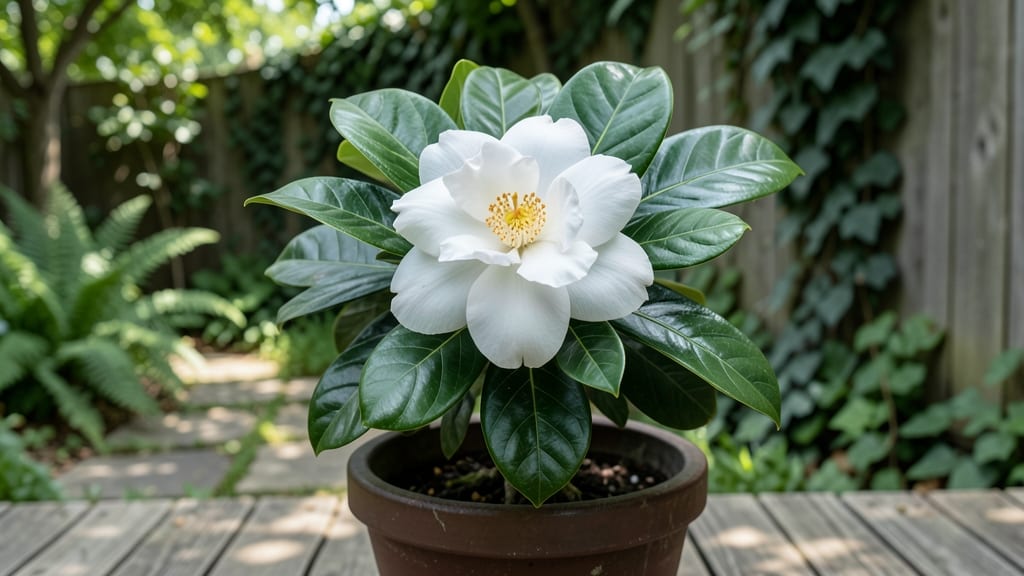
Growing gardenias in the right USDA zones 🌸 means the difference between fragrant, year-round blooms and a struggling shrub that barely survives.
Struggling to keep your gardenia blooming year after year? The secret lies in understanding the perfect USDA growing zones—where these fragrant beauties thrive without constant struggle.
Ideal gardenia growing zones span from 7a to 10a, with Zone 9b being the sweet spot for most varieties. Outside these ranges, humidity, heat, and frost become major challenges.
In this guide, I’ll break down the best zones for gardenias, how to push their limits in cooler or warmer climates, and the simple tricks to keep them blooming—no matter where you live.
Best USDA zones for gardenia growth and year-round blooms
If you're dreaming of lush gardenia blooms that perfume your garden all year, you're in the right place. These fragrant shrubs love warmth and humidity, making USDA zones 7 through 11 their sweet spot.
In these zones, gardenias reward you with continuous blooms from spring through fall—and sometimes even winter—if conditions are just right.
Outside these zones, gardenias can still thrive, but they'll need extra care to survive frost and cold snaps. The key is understanding their climate preferences: humidity levels above 50%, warmth without extreme heat, and well-draining, acidic soil.
Let’s break down the ideal zones and what makes them perfect for these tropical-looking beauties.
🌸
In USDA zones 7a-7b, gardenias can still bloom beautifully, but they’ll need winter protection to survive occasional frosts. I’ve had success growing them in containers and moving them to a garage or covered porch during cold snaps.
The humidity in these zones is usually high enough to keep them happy, but you’ll need to monitor soil moisture closely.
Zones 8a-8b are where gardenias truly shine. With mild winters and high humidity, they can bloom almost year-round if given the right conditions.
In my Zone 8b garden, my gardenias produce continuous blooms from April through October, with occasional flowers in winter if temperatures stay above 40°F.
For gardeners in zones 9a-11, the news is even better. These tropical zones provide the perfect environment for gardenias to thrive without extra care.
In Zone 9b, where I’ve lived for years, my gardenias bloom heavily from spring to fall and even produce a few flowers in winter if the weather cooperates. The key here is providing afternoon shade to protect them from intense afternoon sun, which can scorch their leaves.
If you’re in Zone 10 or 11, you’re in the sweet spot for gardenia growth. These zones mimic the tropical conditions where gardenias naturally grow, resulting in year-round blooms with minimal effort.
Just ensure they get partial shade and consistent moisture, and you’ll be rewarded with fragrant, lush blooms all season long.
One common mistake I see is assuming gardenias need full sun. While they do love sunlight, afternoon shade is crucial in hotter zones to prevent leaf burn.
I’ve learned this the hard way—my first gardenia in Zone 10 nearly died from too much sun until I moved it to a shadier spot.
For year-round blooms, focus on these three key factors: humidity, soil acidity, and consistent moisture. In drier zones like 8a, I’ve found that mulching heavily and using a humidifier nearby can make a huge difference in bloom production.
Even a simple pebble tray with water under
How to extend gardenia blooms in marginal USDA zones
Gardenias love warmth, but if you're in USDA Zones 6-7 or even Zone 12+, don't give up on those fragrant blooms! With the right strategies, you can trick your gardenia into thriving where it might struggle.
The key lies in creating microclimates, protecting roots, and using containers to control conditions. I’ve grown gardenias in Zone 7a for years, and these tricks make all the difference.
For those in hotter zones like 12+, the challenge shifts to preventing heat stress and ensuring consistent moisture. Gardenias hate extreme heat combined with dry soil—it causes buds to drop before opening. In cooler zones, the battle is against frost damage and winter dormancy.
Both scenarios require tailored solutions, but the principles remain the same: protect the roots, optimize sunlight, and adjust care routines seasonally.
In Zone 6-7, I’ve found that microclimates near south-facing walls or under eaves provide just enough warmth to extend the growing season. For example, planting near a brick wall can raise temperatures by 5-10°F, giving gardenias a head start in spring.
Pair this with a thick layer of mulch and a frost blanket in late fall, and you’ll see buds form even in cooler months.
For gardeners in Zone 12+, the focus shifts to heat management. Gardenias in these zones often suffer from bud drop due to heat stress. To combat this, I recommend daily misting in the afternoon (not soaking) and ensuring pots have drainage holes.
Additionally, prune lightly in early spring to encourage new growth before the peak heat arrives. This keeps the plant focused on blooming rather than surviving.
One of my favorite tricks for Zone 7 gardeners is using black plastic mulch in early spring. It warms the soil faster than organic mulch, helping roots wake up earlier.
Combine this with container growing—pots can be moved to a sunny patio during the day and brought indoors at night if frost is forecasted. This flexibility is a game-changer for marginal zones!
Remember, gardenias are notoriously picky about conditions, but with patience and these adjustments, you can enjoy their intoxicating fragrance year after year—no matter your zone. Start with one of these strategies this season, and watch your gardenia reward you with longer, more abundant blooms. 🌸