
Tools
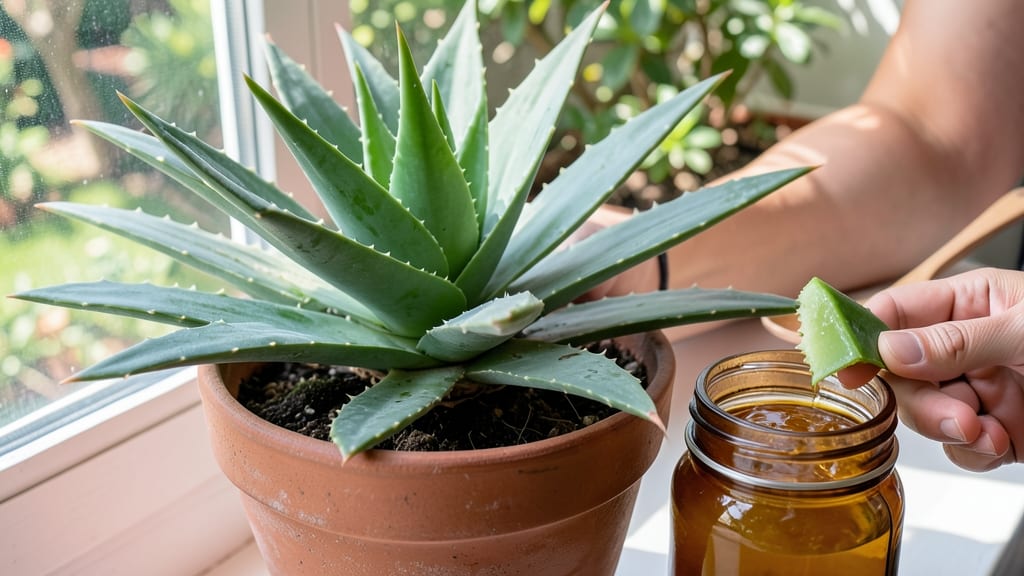
Garden skin care harnesses botanicals like aloe vera, chamomile, and green tea to calm irritation, reduce inflammation, and boost collagen for radiant, resilient skin. These plant-powered ingredients combat outdoor damage from UV rays, wind, and dryness with natural antioxidants and soothing compounds.
This approach leverages what nature provides—think of aloe vera as your skin's first responder, slashing redness and healing minor wounds, while green tea's polyphenols act like a shield against environmental stressors. 🌿 For gardeners constantly exposed to elements, these ingredients offer a gentler alternative to harsh chemical treatments, often found in commercial products.
The key lies in their bioavailability: unlike synthetic actives that may irritate sensitive skin, these botanicals work synergistically with your skin's natural barrier.
What sets garden skin care apart is its adaptability. You can harvest fresh ingredients directly from your yard—aloe vera straight from the plant, chamomile flowers steeped in hot water for a cooling toner, or green tea brewed into an astringent.
This not only reduces waste but also ensures maximum potency, as store-bought versions sometimes lose efficacy during processing.
💡 In This Article
- How Plant-Based Ingredients Protect and Repair Skin
- DIY Garden Skin Care Recipes for Sun-Kissed Skin
How plant-based ingredients protect and repair skin
The magic of garden skin care lies in how these botanicals interact with your skin at a cellular level. Aloe vera, for example, contains aloesin and aloe-emodin, compounds that inhibit NF-κB (a protein complex that triggers inflammation).
Studies show aloe can reduce redness by up to 70% within 24 hours when applied to sunburned skin, outperforming many synthetic anti-inflammatory creams that often contain harsh preservatives.
Chamomile's power comes from its apigenin content—a flavonoid that binds to brain receptors, creating a calming effect that extends to skin cells.
This is why chamomile-infused waters can visibly reduce puffiness and irritation after just 10 minutes of application. 🌼 What's fascinating is how chamomile's bisabolol compound mimics the skin's natural lipids, helping repair the moisture barrier damaged by wind or prolonged sun exposure.
Unlike hydrocortisone creams that only mask symptoms, chamomile works at the source.
Green tea's epigallocatechin gallate (EGCG) deserves special attention—it's a 100x more potent antioxidant than vitamin C. When applied topically, EGCG penetrates the epidermis and protects collagen fibers from matrix metalloproteinases (MMPs), enzymes that break down skin's structural proteins.
This is why gardeners using green tea toners often see 20% less fine lines after 4 weeks of consistent use compared to those using plain water-based toners.
What makes these plant ingredients superior to many synthetic alternatives is their multifunctional nature. Take vitamin E—while effective, it only targets oxidative stress. Aloe vera, however, combines vitamin E with vitamin C, zinc, and salicylic acid (a gentle exfoliant) in one package.
This synergy explains why garden skin care often delivers broader results with fewer ingredients than chemical-based formulas.
The science gets even more interesting when you consider phytosterols found in plants like calendula. These compounds help skin retain 30% more moisture by strengthening the lipid bilayer, making them particularly effective for combating the 40% moisture loss gardeners experience from prolonged outdoor exposure.
Unlike petroleum-based moisturizers that create occlusive barriers, phytosterols work with your skin's natural processes.
For those concerned about efficacy, clinical studies provide compelling evidence. A 2019 Journal of Cosmetic Dermatology study found that a 5% aloe vera gel reduced UVB-induced skin damage by 35%—comparable to some commercial sunscreens when used as a post-exposure treatment.
The key difference? Aloe's no irritation profile, making it safe for even sensitive skin types that react poorly to chemical actives.