
Tools
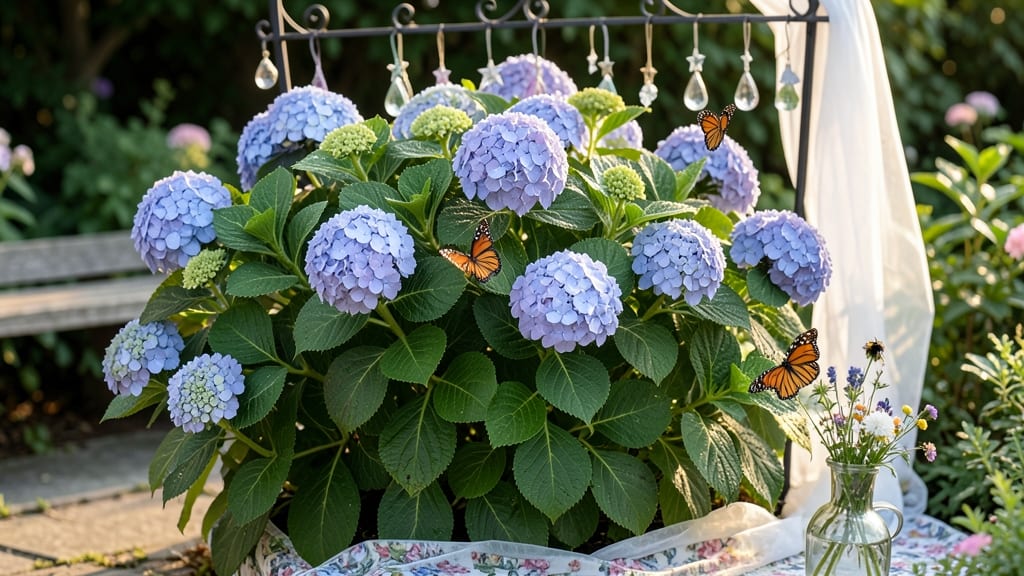
The Enchanted Garden Colors Collection 🌸 turns your yard into a living storybook, where every season whispers its own magical color tale.
Picture this: a spring morning where soft lavender and blush pink blur together like a fairy’s first steps, or an autumn afternoon where deep crimson and gold leaves shimmer like embers from a hidden hearth.
These aren’t just plants—they’re chapters in a garden that feels like it belongs in a dream.
But here’s the secret: the most enchanting gardens don’t rely on luck. They’re built on intentional pairings that balance boldness with harmony, ensuring your space stays vibrant without clashing.
Whether you’re drawn to ethereal pastels or fiery contrasts, the right combinations can make your garden feel like a portal to another world.
In this guide, I’ll show you how to craft seasonal palettes that dazzle year-round, from spring’s delicate whispers to winter’s frosty glow—plus the top plants that bring the magic to life with minimal effort.
Seasonal enchanted garden color palettes for every mood
Every season offers a unique opportunity to transform your garden into a magical sanctuary. By selecting the right enchanted garden colors and plant pairings, you can create a cohesive look that evolves naturally with the changing weather.
Whether you crave the softness of spring or the boldness of autumn, these seasonal palettes will inspire your outdoor space to feel like a living storybook.
Start with spring’s ethereal pastels—soft lavenders, blush pinks, and minty greens—to evoke a dreamy, fresh atmosphere. Transition into summer’s fiery contrasts with deep reds, sunny yellows, and electric blues for a vibrant, energetic feel.
As autumn arrives, lean into warm mystique tones like burnt oranges, golden yellows, and deep purples. Finally, embrace winter’s icy elegance with crisp whites, silvers, and icy blues for a serene, frost-kissed garden.
Here’s how to bring these magical color schemes to life with plants that thrive together:
For spring’s ethereal palette, focus on delicate blooms like sweet alyssum and bleeding heart, which thrive in partial shade and complement soft pastels beautifully. Pair them with mint-green foliage like heuchera to create contrast while keeping the look airy.
These plants also attract pollinators early in the season, adding to the garden’s magical energy.
In summer’s fiery palette, bold colors like lantana and dahlia take center stage. Plant them in clusters to create a vibrant, almost tropical feel. Add silver-blue foliage like lavender or sage to balance the intensity. These plants love full sun, making them perfect for sunny borders or containers.
Autumn’s warm mystique shines with chrysanthemums and asters, which bloom in deep purples, oranges, and yellows. Pair them with Japanese maple for a touch of fiery foliage.
These plants thrive in cooler temperatures and partial shade, making them ideal for late-season color. Add ornamental grasses like maiden grass for movement and texture.
Winter’s icy elegance comes alive with snowdrops and winter jasmine, which bloom in crisp whites and soft yellows. Pair them with silver foliage like dusty miller for a frosty, ethereal look. These plants are hardy and low-maintenance, perfect for adding structure and color to a winter garden.
To maintain harmony across seasons, use evergreen plants like boxwood or holly as a neutral base. They provide structure and contrast while allowing seasonal blooms to shine.
Layer plants by height—tall grasses or shrubs in the back, mid-height perennials in the middle, and low-growing annuals in the front—for a balanced, enchanting look.
Don’t forget to incorporate decorative elements like fairy lights, wind chimes, or painted garden markers to enhance the magical atmosphere. These touches add whimsy without overwhelming the natural beauty of your plants. With these seasonal palettes, your garden will feel like a living fairy tale year-round.
Experiment with different combinations to find what resonates most with your space. The key is to let the plants guide you—trust their natural colors and growth habits to create a cohesive, enchanting garden that evolves with the seasons.
How to combine enchanted garden colors without clashing
Creating an enchanted garden starts with understanding how to blend colors seamlessly. The key is using the 60-30-10 rule—60% dominant hue, 30% secondary, and 10% accent colors. For example, pair deep purple clematis (60%) with silver foliage like lamb's ear (30%) and coral poppies (10%) for a mystical vibe.
This ratio keeps your design balanced while feeling magical.
Next, leverage complementary colors—hues opposite each other on the color wheel—to create visual drama. Think blue delphiniums against orange daylilies or lavender with chartreuse foliage. These pairings pop without clashing because they naturally contrast yet harmonize. Test small patches first to see how light affects their interaction.
⚖️ Enchanted Color Combos: Pros & Cons
| Color Combo | Pros | Cons |
|---|---|---|
| Purple + Silver | Ethereal, low-maintenance, drought-tolerant plants | May fade in full sun; needs afternoon shade |
| Blue + Orange | High contrast, vibrant, attracts pollinators | Orange blooms may wilt in heat; needs consistent water |
| Pink + Green | Soft, romantic, works year-round | Green foliage can dominate; balance with bold blooms |
| White + Deep Red | Dramatic, timeless, great for borders | Red may stain light surfaces; use mulch |
Tip: Use foliage textures (e.g., ferns, hostas) to tie colors together and soften transitions.
Seasonal transitions are where enchanted gardens truly shine. Swap out summer’s fiery red salvias for autumn’s goldenrod and copper beech trees to maintain harmony. In winter, introduce evergreen shrubs like boxwood or holly to anchor the space. These shifts keep your garden feeling fresh without starting from scratch each season.
Don’t overlook textural contrast—it’s the secret to avoiding clashes. Pair velvety black mondo grass with spiky agave or feathery ornamental grasses with round hydrangeas. The interplay of shapes prevents color fatigue while adding depth.
For example, a silver lamb’s ear next to deep burgundy heuchera creates a visual feast even in monochrome.
Finally, test your color combos in different light conditions. A violet clematis may appear lavender in shade but deepen to plum in sun. Use seasonal lighting—fairy lights in summer, lanterns in autumn—to enhance hues after dark. This extra layer of magic ensures your garden feels enchanted 24/7.
With these principles, your garden will feel like a living storybook, where every color tells a part of the tale—without a single clash. Start small, experiment fearlessly, and let nature guide your palette! 🌸