
Blooming
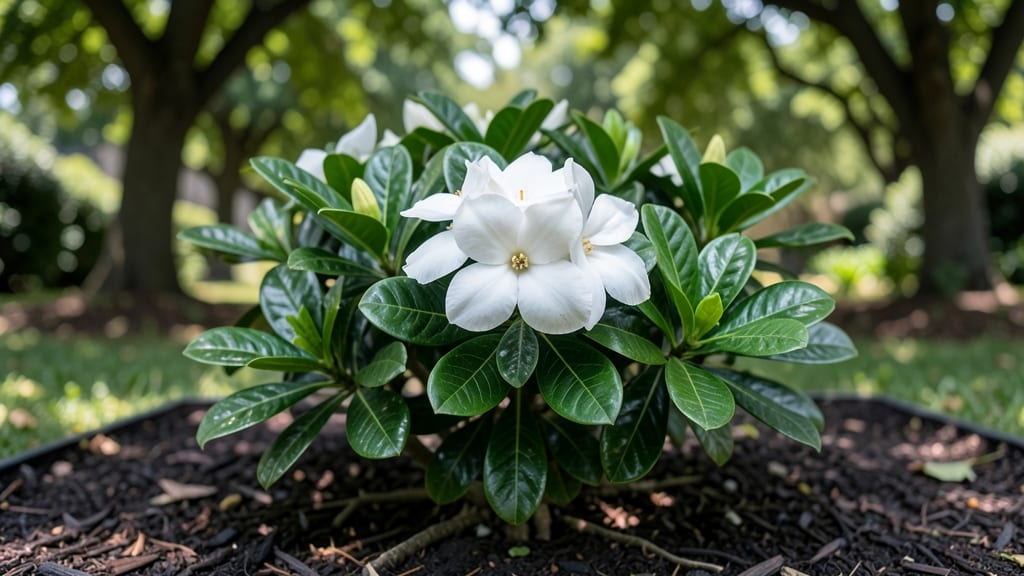
Gardenias flower in late spring to summer 🌸, but the exact timing depends on your USDA zone and how you care for them.
Picture this: you’ve nurtured your gardenia for months, only to wake up one morning and realize the buds haven’t opened yet.
You’re not alone—many gardeners miss the peak blooming window because they don’t know the subtle clues to watch for, like bud swelling or that signature sweet fragrance in the air.
In Zone 6a, gardenias typically burst into bloom between June and August, but cooler climates or improper care can delay them. The good news? With the right adjustments—like pruning at the right time or tweaking your soil’s acidity—you can encourage earlier, longer-lasting flowers.
Below, I’ll walk you through the month-by-month blooming timeline, zone-specific tips, and the care tweaks that make all the difference. By the end, you’ll know exactly when to expect those intoxicating blooms—and how to keep them coming back year after year.
Gardenias flowering timeline by USDA Zone: month-by-month breakdown
Gardenias are famous for their creamy-white, fragrant blooms that transform gardens into aromatic sanctuaries. But their flowering timeline varies dramatically depending on your USDA zone—from late spring in cooler climates to summer-long displays in warmer regions. Understanding these patterns helps you anticipate blooms and adjust care for maximum impact.
The key to timing gardenia flowers lies in temperature and daylight. In Zones 7–9, gardenias typically bloom from late May to August, while Zone 10 gardeners enjoy blooms as early as April and sometimes into fall.
Regional microclimates—like coastal humidity or inland heat—can shift these windows by 2–4 weeks.
Here’s how to align your expectations with your zone’s natural rhythm:
In Zone 7, gardenias often wait until late May to burst into bloom because cooler springs delay bud formation. The peak flowering period spans June and July, with a final flush in early August before frost sensitivity kicks in.
If you’re in Zone 8, you’ll see blooms start earlier—early May—and enjoy a longer season thanks to milder winters.
Gardeners in Zones 9–10 have the advantage of year-round growing conditions, which can lead to two bloom cycles: one in spring and another in fall.
In Zone 10, blooms may even appear as early as March, while Zone 9 gardeners often see April showers trigger the first flush. This extended season is why tropical varieties like ‘Kleim’s Hardy’ thrive here.
Regional variations play a huge role. For example, coastal Zone 9 gardenias may bloom 2 weeks earlier than inland counterparts due to warmer ocean breezes. Similarly, Zone 7 gardeners in valleys might see blooms 1–2 weeks later than those in higher elevations with cooler nights.
Pay attention to your local last frost date—it’s your cue to start monitoring for bud swell.
To encourage earlier blooms, focus on soil acidity (aim for pH 5.0–6.5consistent moisture. In Zones 7–8, a spring feeding of acid-loving plant fertilizer can jumpstart bud formation. Meanwhile, Zone 10 gardeners should prune lightly after fall blooms to avoid overstimulating new growth before winter.
Watch for bud color changes—they’ll shift from green to pinkish just before opening. In Zones 9–10, you might even see buds form year-round, though they’ll only open when temperatures stay above 65°F.
If your gardenia skips blooming, check for over-fertilizing (too much nitrogen = leafy growth, no flowers) or poor light (they need 4–6 hours of morning sun).
Pro tip: Deadhead spent blooms in Zones 7–8 to redirect energy into next year’s buds. In Zones 9–10, where blooms are more frequent, you can leave some flowers to set seed and extend the season naturally.
The goal is to balance pruning and feeding so your gardenia doesn’t exhaust itself before winter.
By aligning your care with your zone’s natural rhythm, you’ll turn your gardenia into a fragrant showstopper for months. Whether you’re in Zone 7’s brief summer bloom or Zone 10’s near-constant display, the key is patience and precision—just like the gardenia itself. 🌸
How to extend gardenia blooming season: pruning, fertilizing & care tips
Gardenias naturally bloom in late spring to summer, but with the right care, you can extend their flowering season by 30-50%. The key lies in pruning timing, soil acidity, and balanced fertilization. Many gardeners miss these details, causing blooms to fade too soon.
First, understand that gardenias thrive in acidic soil (pH 5.0-6.5). If your soil is alkaline, blooms will struggle or fail to form. Test your soil in early spring—if the pH is too high, amend it with sulfur or peat moss before buds appear.
Now let’s explore the pros and cons of extending your gardenia’s blooming season through proper care:
For longer blooms, focus on light pruning after the first flush of flowers. Cut back 1/3 of the oldest stems to redirect energy to new growth. Avoid heavy pruning—this can delay or reduce next year’s blooms.
Fertilizer choices matter too. Organic options like fish emulsion or cottonseed meal provide slow-release nutrients, while synthetic 10-10-10 fertilizers offer quick results. Apply in early spring and mid-summer—never in fall or winter when the plant is dormant.
Finally, watch for bud drop, a common sign of stress. This often happens when gardenias get too hot, too dry, or lack proper care. Adjust your watering schedule or move potted gardenias to a shadier spot if buds start falling before opening.
With these tips, your gardenias can bloom from late spring through early fall, filling your garden with their signature fragrance for months. Start with soil pH, then refine pruning and feeding—your efforts will pay off in glossy blooms and happy neighbors! 🌸