
Fertilization
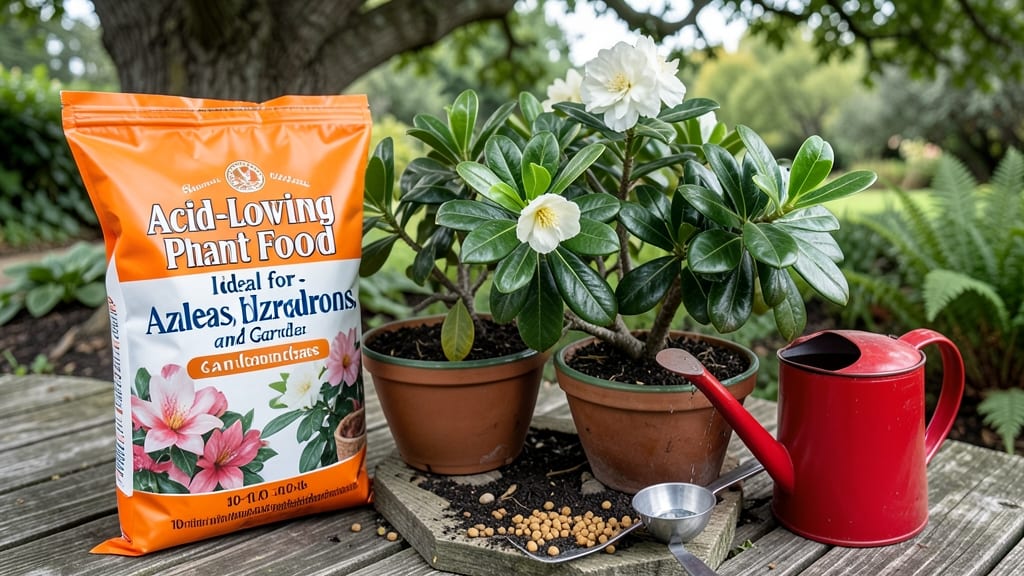
The fertilizer for gardenias in pots you choose is the game-changer for those fragrant blooms 🌸 you’ve been dreaming of.
Struggling to get your potted gardenias to bloom year-round? The secret isn’t just water or sunlight—it’s the right fertilizer applied at the perfect time. These acid-loving beauties demand precision, and one wrong move can mean fewer flowers and yellowing leaves.
Most gardeners overlook how potting soil drains differently than ground soil, which means nutrients wash away faster. Without the right balance of nitrogen, phosphorus, and potassium—and a touch of acidity—your gardenia might look healthy but refuse to flower.
In this guide, I’ll walk you through the best fertilizers for potted gardenias, how often to feed them, and the simple tricks to keep your plants thriving without burning the roots. Let’s get those blooms back!
Best acidic fertilizers for potted gardenias (and when to use them)
Potted gardenias thrive when their acidic soil needs are met with the right fertilizer at the right time. These fragrant shrubs demand specific NPK ratios and micronutrients like iron and magnesium to produce those iconic white blooms.
Without proper feeding, you’ll notice fewer flowers and yellowing leaves—a clear sign your plant is hungry for more than just water.
Choosing between organic and synthetic fertilizers depends on your gardening style. Organic options like fish emulsion or cottonseed meal slowly release nutrients, while synthetic blends offer precise NPK control. Both can work, but timing and pH balance are critical.
Gardenias prefer a soil pH between 5.0 and 6.5, so we’ll also cover how to adjust your potting mix for optimal absorption.
Here’s a quick comparison of top acid-loving fertilizers for potted gardenias, including their NPK ratios, best application times, and seasonal adjustments to keep your plants blooming year-round.
| Fertilizer Type | NPK Ratio | Key Micronutrients | Best Application Time | Seasonal Use | pH Adjustment |
|---|---|---|---|---|---|
| Mir-A-Cid® (Synthetic) | 6-6-6 | Iron, Magnesium, Zinc | Every 4-6 weeks | Spring/Summer (peak growth) | Add sulfur to lower pH if needed |
| Fish Emulsion (Organic) | 5-1-1 | Nitrogen, Phosphorus, Calcium | Every 3-4 weeks | Spring/Fall (root development) | Mix with peat moss for acidity |
| Cottonseed Meal (Organic) | 6-2-1 | Nitrogen, Iron, Manganese | Every 6-8 weeks | Summer (bloom support) | Use with pine fines for pH balance |
| Azomite (Mineral-Based) | 0-0-0 (Trace minerals) | 70+ micronutrients | Once monthly (diluted) | Year-round (soil booster) | No pH adjustment needed |
| Citrus Peel Tea (DIY Organic) | 0-0-0 (Acidifier) | Potassium, Magnesium | Weekly (foliar spray) | Spring/Fall (acidity boost) | Lowers pH naturally |
For synthetic fertilizers, I recommend Mir-A-Cid®—it’s formulated specifically for acid-loving plants like gardenias. Its balanced 6-6-6 NPK ratio supports both foliage and flower production.
Apply it every 4-6 weeks during the growing season (spring through early fall), but reduce frequency in late summer to avoid encouraging late-season growth that won’t harden off before winter.
If you prefer organic options, fish emulsion is a powerhouse for gardenias. It’s rich in nitrogen, which encourages lush green leaves, and its 5-1-1 NPK ratio gently pushes blooming. Use it every 3-4 weeks in spring and fall, but dilute it to half-strength to prevent root burn.
For a slow-release organic choice, cottonseed meal is excellent—it’s high in nitrogen and iron, which gardenias crave for vibrant foliage.
Don’t overlook micronutrients like iron and magnesium. Gardenias often show yellowing leaves (chlorosis) when these are deficient. Azomite is a mineral-based fertilizer packed with 70+ trace minerals, including iron and manganese. Sprinkle a teaspoon per gallon of soil once a month to keep your plant healthy year-round.
For a free DIY option, steep citrus peels in water for a week, then use the tea to water your gardenias—it’s a natural pH adjuster and provides potassium.
Timing is everything when fertilizing potted gardenias. In spring, start with a light feed as new growth appears. This jumpstarts their metabolism after winter dormancy. During summer, switch to a regular feeding schedule—every 4-6 weeks—to support blooming and foliage growth.
In fall, taper off to a light feed as growth slows, and skip fertilizing entirely in winter unless you’re growing in a heated greenhouse.
Pro tip: Always water your gardenias thoroughly before and after applying fertilizer. This helps prevent root burn and ensures nutrients are evenly distributed in the potting mix. If you notice white crusts on the soil surface, flush the pot with water to remove excess salts from synthetic fertilizers.
For organic options, a top-dressing of compost every few months can also boost nutrients without risking salt buildup.
Finally, keep an eye on your soil pH. Gardenias hate alkaline soil—if your pH creeps above 6.5, your plant will struggle to absorb nutrients, even with the best fertilizer. Test your soil annually and amend with elemental sulfur or peat moss to maintain that acidic range.
With the right fertilizer and timing, your potted gardenias will reward you with glossy leaves and fragrant blooms all season long.
Step-by-step fertilizing schedule for maximum blooms (with common mistakes to avoid)
Gardenias thrive on a precise feeding schedule that mirrors their natural growth cycles. Unlike many plants, they need regular but balanced nutrients—too much can scorch roots, while too little starves those fragrant blooms. My secret? A monthly rotation of light and heavy feeds, timed with their seasonal needs.
Start in early spring when new growth appears—this is when gardenias wake up from dormancy and need a gentle nutrient boost. By summer, increase feeding to support blooming and foliage growth. Fall marks the final push before winter rest, while winter means zero fertilizer to avoid stress.
Most gardeners overlook dilution ratios, which is why their plants develop leaf burn or stunted growth. I always halve the recommended dose on the fertilizer label for potted gardenias—never use full strength unless your plant is in a 5-gallon+ container.
Potted gardenias are highly sensitive to salt buildup from fertilizers. Signs of over-fertilizing include:
- 🔥 Brown leaf tips (like paper burn)
- 🌱 Stunted new growth despite plenty of water
- 💧 White crust on soil surface
Fix it: Flush the soil by watering until it runs freely from drainage holes 3 times over 2 weeks. Then repot with fresh, acidic potting mix.
Here’s my monthly fertilizing calendar for potted gardenias, using a balanced 6-6-6 or 8-3-9 fertilizer (like Miracle-Gro Acid-Lover’s or Jobe’s Organics). For organic options, use fish emulsion or compost tea diluted to half strength.
Spring (March-May): Feed lightly every 4 weeks when you see new shoots. Use 1 tbsp per gallon of water—this kickstarts blooming without overwhelming roots. Pair this with a weekly foliar spray of diluted seaweed extract for extra micronutrients.
Summer (June-August): Switch to heavy feeding every 3-4 weeks to fuel blooms. Mix 1.5 tbsp per gallon and apply in early morning to prevent leaf scorch. Watch for yellowing leaves—this often signals iron deficiency, not over-fertilizing.
Fall (September-November): Taper back to light feeds every 6 weeks as growth slows. Stop by late October to let your gardenia rest. Use this time to test soil pH—it should be 5.0–6.0 for optimal absorption.