
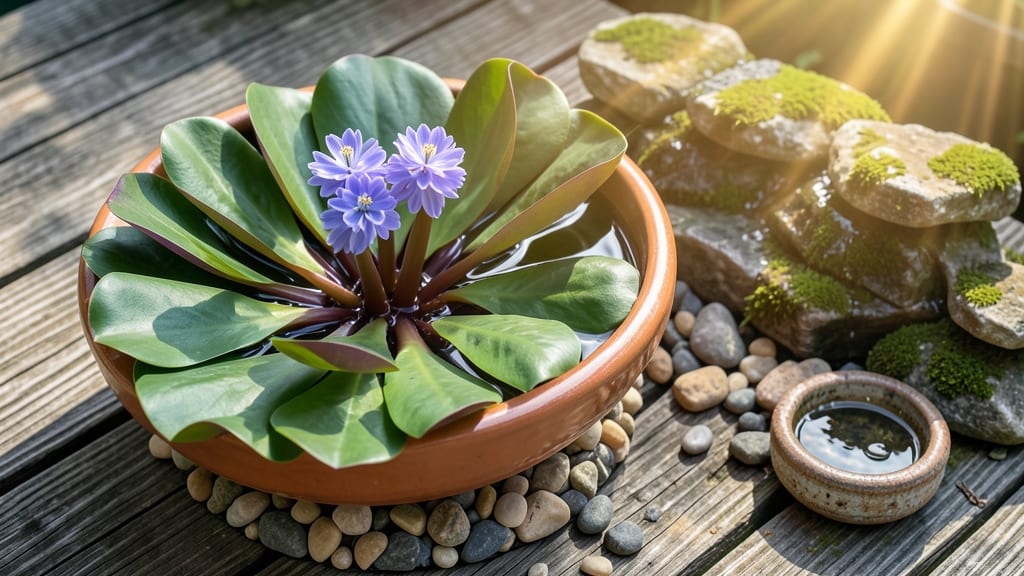
Container Water Garden Plants: Thriving Picks for Small Spaces and Year-Round Beauty

Watering

Container Water Garden Plants: Thriving Picks for Small Spaces and Year-Round Beauty

Growing container water garden plants in small spaces is simpler than you’d expect—no backyard pond required to create a tranquil aquatic oasis.

Picture this: a tiny balcony or windowsill transformed into a lush, low-maintenance water feature with just the right plants. Whether you’re drawn to floating water hyacinths, delicate water lilies, or hardy oxygenators like hornwort, these space-efficient picks bring beauty and serenity without the fuss.

Choosing the right containers, balancing sunlight, and keeping water fresh are the keys to success. I’ll walk you through the best plants for beginners, how to set up your system for long-term health, and easy troubleshooting for common issues like algae or stagnant water.

By the end, you’ll have a thriving container water garden that’s as easy to care for as it is stunning—perfect for year-round enjoyment, no matter how small your space.

🌸
Spring
Daily to Every 3 Days
☀️
Summer
Daily
🍂
Fall
Every 3-5 Days
❄️
Winter
Every 5-7 Days

Best low-maintenance container water plants for small spaces

Creating a stunning water garden in small spaces doesn’t require a sprawling pond—just the right container water garden plants and a little planning.

Whether you have a balcony planter, window box, or decorative trough, these hardy aquatic plants will thrive with minimal effort while adding beauty and tranquility to your space.

For a balanced ecosystem, focus on three key plant categories: oxygenators (to keep water clean), floating plants (to block sunlight and reduce algae), and marginals (for vibrant edges). These plants work together to create a self-sustaining, low-maintenance water feature that fits any small space.

I’ve curated a list of the top 10 container water plants that are perfect for beginners and experienced gardeners alike. Each variety is chosen for its hardiness, space efficiency, and year-round appeal, ensuring your water garden stays lush and inviting without constant upkeep.

Below, you’ll find a summary table of the best options, including their ideal container sizes, light requirements, and maintenance tips to help you make the perfect selections for your setup.

How to choose the right container for your water garden plants

Selecting the perfect container for your water garden plants is the foundation of a thriving aquatic ecosystem. The right container balances aesthetics, functionality, and plant health, ensuring your aquatic plants get the oxygen, nutrients, and stability they need.

Whether you're working with a 5-gallon bucket or a custom-built trough, prioritize materials that resist rot, cracks, and algae buildup while providing proper drainage and water depth.

Start by matching your container to the plant type and space constraints. Floating plants like water hyacinth thrive in shallow, wide containers, while submerged oxygenators such as hornwort need deeper, narrow vessels.

Marginal plants like cattails or pickerelweed require containers with 3-6 inches of water depth and a stable base for their roots to anchor. Always leave 1-2 inches of space between the water surface and the container rim to prevent overflow during rain or watering.

Plant Type Ideal Container Size Sunlight Needs Water Depth Maintenance Level
Water Hyacinth (Eichhornia crassipes) 12"–18" diameter Full sun (6+ hours) 3"–6" Low (floating)
Dwarf Water Lily (Nymphaea 'Pygmaea Helvola') 18"–24" diameter Full sun to partial shade 6"–12" Moderate (needs pruning)
Hornwort (Ceratophyllum demersum) 10"–15" deep container Partial shade to full sun 12"–24" Very low (oxygenator)
Water Lettuce (Pistia stratiotes) 12"–18" diameter Full sun 2"–4" Low (floating)
Pickerelweed (Pontederia cordata) 18"–24" diameter Full sun 3"–6" Moderate (seasonal pruning)
Water Clover (Marsilea quadrifolia) 10"–15" diameter Partial shade 1"–3" Very low (ground cover)
Sweet Flag (Acorus calamus) 12"–16" diameter Partial shade to full sun 2"–4" Low (hardy perennial)
Anacharis (Elodea canadensis) 12"–24" deep container Partial shade to full sun 12"–24" Very low (oxygenator)
Blue Pickerelweed (Pontederia cordata 'Blue') 18"–24" diameter Full sun 3"–6" Moderate (seasonal blooms)
Container Type Best For Material Water Depth Drainage Needs
Plastic Troughs Floating plants, small ponds UV-resistant plastic 2-12 inches Drill holes for overflow
Ceramic Pots Marginal plants, small water gardens Glazed ceramic 3-6 inches Built-in drainage holes
Fiberglass Tubs Large water gardens, koi ponds Fiberglass 6-18 inches Customizable overflow
Galvanized Steel Temporary ponds, rainwater collection Galvanized steel 4-12 inches Seal seams to prevent leaks

Never overlook the importance of substrate and drainage. Use a mix of gravel, sand, and aquatic soil at the bottom of your container to create a stable base and prevent root rot.

For containers without pre-drilled holes, add a 1-inch layer of pebbles at the bottom and create a small overflow channel to redirect excess water.

Pair your container with a small water pump or solar fountain to maintain oxygen levels and prevent stagnant water, especially in warmer months when algae blooms become a risk.

Design your container water garden with sunlight exposure in mind. Place containers with water lilies or lotus in full sun (6+ hours daily), while mosses or water ferns thrive in partial shade (3-6 hours).

Rotate containers seasonally to balance light exposure, especially if your space has shifting sunlight patterns. For indoor setups, use grow lights to supplement natural light, ensuring your plants receive 12-14 hours of light daily.

Create a balanced ecosystem by pairing plants with complementary needs. For example, combine oxygenating plants like anacharis with floating plants such as duckweed to control algae naturally. Add a few marginal plants like water mint or canna lilies to the edges for texture and color contrast.

Monitor water quality weekly by testing for pH levels (ideal: 6.5-7.5) and ammonia/nitrate levels, adjusting with aquatic-safe fertilizers or water changes as needed.

Finally, prioritize accessibility and safety. Choose containers with handles or non-slip bases for easy moving, and avoid materials that can leach toxins (like untreated wood) into the water. If using containers outdoors, elevate them slightly to prevent flooding during heavy rains.

With the right container and a little planning, your water garden will become a self-sustaining, low-maintenance oasis that thrives year-round. 🌿

★★★★★4.7(9 reviews)
Categories Watering