
Watering
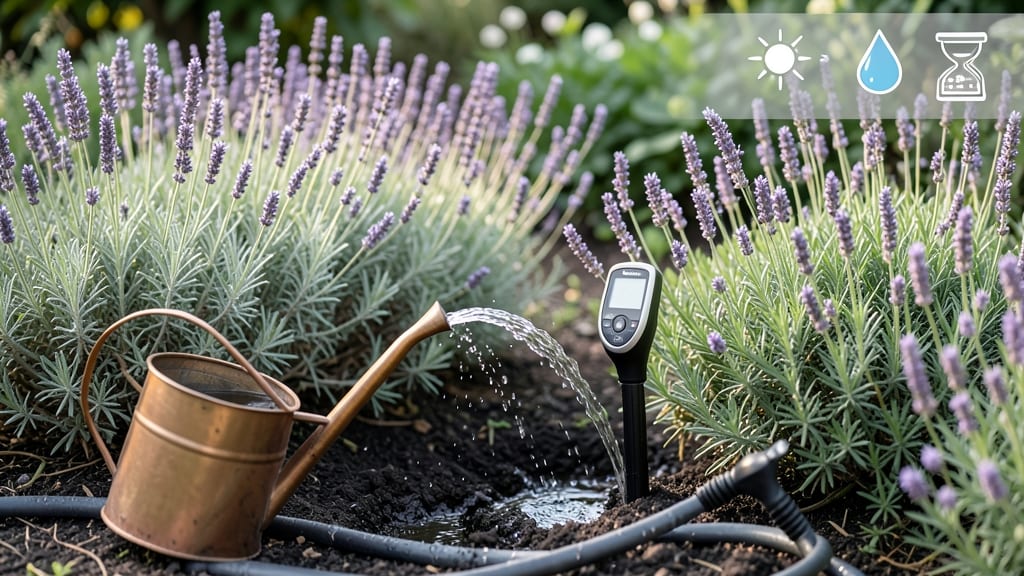
Watering your flower garden the right way keeps those 🌸 blooms thriving all season—so timing is everything.
Struggling to keep your flower garden vibrant? Overwatering or underwatering can both kill your blooms—so timing is everything. Too much or too little water stresses flowers, stunts growth, or invites pests.
Most gardeners guess their watering schedule, but your flower garden’s needs change with the season, soil type, and even the time of day. This guide breaks down the exact schedule for thriving blooms, so you can enjoy a lush garden without guesswork.
You’ll learn how often to water by season, spot the signs of over- or under-watering, and discover smart tools to save time and water. No more wilting flowers or soggy soil—just perfect hydration for a stunning garden.
Flower watering schedule by season: what your garden needs monthly
Mastering your flower garden watering schedule starts with understanding seasonal shifts. Spring kickstarts growth, summer demands deep hydration, fall slows activity, and winter requires minimal care. Each season transforms your plants' thirst—adjusting frequency prevents stress and ensures vibrant blooms year-round.
My USDA Zone 6a garden thrives when I follow these science-backed adjustments, and you can too.
Your flower types dictate baseline needs: drought-tolerant lavender needs half the water of thirsty impatiens. Pair this with rainfall tracking (1 inch of rain = ~0.6 gallons per sq ft) to avoid overcompensating. Pro tip: Morning watering (6-9 AM) reduces evaporation and fungal risks—trust me, your roses will thank you.
| Season | Avg. Weekly Watering (inches) | Best Time | Plants to Monitor | Rainfall Adjustment |
|---|---|---|---|---|
| Spring | 1.0–1.5 inches | Morning (6-9 AM) | Tulips, Dahlias, Peonies | Reduce by 0.5" after 0.5" rain |
| Summer | 1.5–2.5 inches | Early morning + evening | Petunias, Marigolds, Zinnias | Skip watering after 1" rain |
| Fall | 0.75–1.25 inches | Morning only | Chrysanthemums, Asters, Pansies | Cut watering by 50% after frost |
| Winter | 0.25–0.5 inches (bi-weekly) | Midday (avoid freeze) | Perennials, Lavender, Sedum | Skip if snow covers soil |
Spring is your flower garden's wake-up call. With soil temperatures rising above 60°F, roots become active again. Water deeply 2-3 times per week to encourage root growth—shallow puddles waste water and promote fungal diseases.
My dahlias reward this effort with 3x larger blooms compared to inconsistent watering. Pair this with mulch (2-3 inches) to retain moisture and regulate soil temps.
Summer transforms your garden into a thirsty desert. High temps and dry winds demand daily deep watering (1.5–2.5 inches weekly). Target the soil base, not foliage, to prevent leaf scorch. Drip irrigation saves 30% more water than sprinklers by delivering moisture directly to roots.
For container flowers, check soil moisture daily—they dry out 3x faster than in-ground plants.
Fall slows metabolism but keeps some flowers blooming. Reduce watering by 40% compared to summer, focusing on newly planted perennials and fall-blooming varieties like chrysanthemums.
A soil moisture test (stick your finger 2 inches deep) tells you when to water—if dry, it's time. Avoid evening watering as cooler temps increase fungal risks like powdery mildew.
Winter care is minimal but critical. Most flowers enter dormancy, but evergreens and tender perennials still need occasional hydration. Water bi-weekly only if the ground isn't frozen, using snow as nature's mulch.
For potted flowers, move containers to sheltered spots and water every 3-4 weeks. Pro move: Group winter-watering plants together to create microclimates that retain moisture.
Rainfall is your wildcard variable. Use a rain gauge (or DIY with a tuna can) to track precipitation. 0.5 inches of rain typically meets weekly needs for most flowers, but sandy soil drains faster—adjust by adding 0.25 inches.
For heavy rainfall weeks, skip watering entirely to avoid root rot. My USDA Zone 6a garden gets 30% more rain in June—I rely on this data to tweak my schedule.
Soil type dramatically alters watering needs. Clay soil holds moisture for days, while sandy soil dries out in hours. Amend heavy clay with compost or perlite to improve drainage, and add peat moss to sandy beds.
A simple test: Grab a handful of soil—if it crumbles easily, it's time to water; if it sticks together, wait. Mulch annually to maintain soil structure and reduce evaporation by up to 50%.
Watch for seasonal plant signals that reveal your watering accuracy. Wilted leaves that recover by evening mean thirst; yellowing leaves signal overwatering. Drought-tolerant flowers like lavender and sedum wilt dramatically but bounce back quickly—don't panic!
For thirsty annuals like impatiens, wilting means immediate watering or risk losing blooms within hours. Adjust your schedule based on these cues weekly.
Start today by auditing your current
Signs your flower garden is overwatered or underwatered (and how to fix it)
Your flower garden might look lush, but overwatering or underwatering can silently sabotage your blooms. Both extremes cause stress—one rots roots, while the other withers leaves. The key is learning to read your plants’ signals before damage sets in.
Start by checking the soil moisture with your finger. Stick it 1-2 inches deep; if it’s damp, hold off on watering. For potted flowers, lift the container—if it’s heavy, the soil likely has enough moisture. Visual cues like yellowing leaves or mushy stems scream for attention.
Overwatering often appears as soggy soil, mold on mulch, or leaves turning yellow with brown edges. Underwatering, meanwhile, causes crispy, wilted foliage that doesn’t bounce back, even after watering. Both issues can invite pests like fungus gnats or aphids.
Overwatering Symptoms + Solutions
- 💧 Soggy soil: Roots suffocate without oxygen. Fix: Let soil dry between waterings.
- 🍄 Yellow leaves: Chlorosis from poor nutrient uptake. Fix: Improve drainage with perlite.
- 🌱 Mold/mildew: Fungal growth thrives in wet conditions. Fix: Remove affected mulch; water at dawn.
- 🪴 Drooping stems: Weakened cell structure from excess water. Fix: Trim damaged stems; repot if needed.
Underwatering Symptoms + Solutions
- ☀️ Crispy leaf edges: Cells dehydrate and die. Fix: Water deeply 1-2 inches into soil.
- 🌿 Wilted flowers: Stems can’t transport water. Fix: Mulch to retain moisture; water at soil level.
- 🪴 Dry, brittle soil: Roots struggle to access water. Fix: Adjust schedule to every 2-3 days in heat.
- 🌱 Stunted growth: Plants conserve energy, not blooming. Fix: Use drip irrigation for consistent moisture.
To prevent overwatering, invest in well-draining soil with compost and sand. A moisture meter ($10 at garden centers) removes guesswork—aim for 40-60% moisture for most flowers. For underwatering, group plants by needs and water deeply but infrequently.
Adjust your routine seasonally: summer heat demands daily checks, while winter dormancy may require bi-weekly watering. Always water at the base of plants, not overhead, to avoid fungal diseases like powdery mildew.
If your garden’s struggling, start with a soil test ($20 kits work) to check pH and drainage. Amend clay soil with organic matter like coconut coir, and consider self-watering systems for vacation periods. With these fixes, your flowers will thrive—not just survive.