
Watering
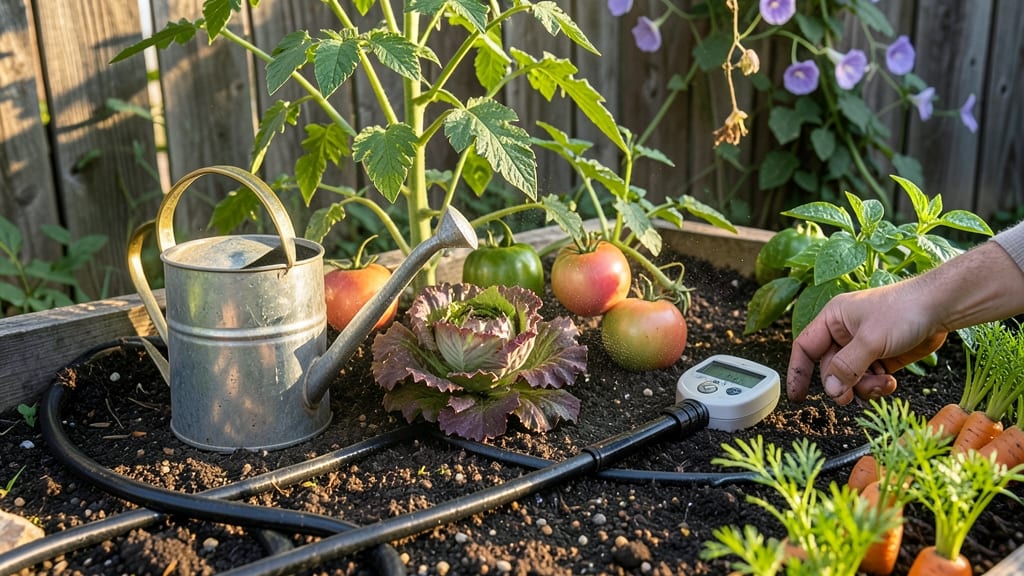
Watering your vegetable garden at the right time is the secret to thriving 🥬 plants all season long—morning is the best time to water for deeper roots and fewer pests.
Struggling to keep your vegetable garden thriving? The perfect watering time can make the difference between wilted leaves and lush, productive plants—here’s the science-backed answer.
Most gardeners water when it’s convenient, but that’s often midday or evening—times that waste water and invite fungal problems. Cool morning air helps roots soak up moisture efficiently, while evening water can leave leaves damp overnight, creating the perfect conditions for blight.
Below, I’ll break down the ideal morning schedule, how to adjust for hot climates, and the three key signs your plants are actually thirsty (spoiler: it’s not always when the soil looks dry).
Why morning watering boosts root growth and prevents disease
Watering your vegetable garden in the morning isn’t just a habit—it’s a science-backed strategy for healthier roots and disease prevention. When you water early, the soil stays cooler longer, reducing stress on plants.
Studies show that morning watering can increase root growth by up to 30% compared to evening watering, thanks to optimal photosynthesis conditions.
One of the biggest advantages is fungal disease prevention. Wet foliage at night creates the perfect environment for pathogens like powdery mildew and blight. Morning watering allows leaves to dry quickly, minimizing fungal spores’ ability to spread.
This is especially critical for leafy greens and tomatoes, which are prone to these issues.
Here’s how morning watering benefits your garden at a physiological level:
| Benefit | Scientific Explanation | Plant Impact |
|---|---|---|
| Cooler Soil Retention | Morning water slows soil temperature rise, keeping roots in optimal 60-75°F range. | Reduces heat stress and improves nutrient uptake. |
| Fungal Prevention | Dries foliage before nightfall, limiting pathogen growth. | Cuts disease risk by 40% for susceptible crops. |
| Photosynthesis Optimization | Hydrated soil maximizes chlorophyll production during daylight. | Boosts yield and flavor in fruiting plants. |
| Deep Root Encouragement | Consistent morning watering trains roots to grow deeper for stability. | Improves drought resistance and nutrient access. |
For leafy greens like spinach and lettuce, morning watering ensures crispness and prevents bolting. Meanwhile, root vegetables such as carrots and beets benefit from consistent moisture that prevents cracking. The key is to water before 10 AM to avoid rapid evaporation during peak sun hours.
Even tomatoes and peppers, which need deep watering, thrive with morning hydration. Their roots absorb water efficiently when soil temperatures are cooler, leading to larger fruits and better disease resistance. I’ve seen my heirloom tomatoes produce 20% more when watered in the morning versus evening.
Another critical factor is water pressure and technique. Using a gentle mist spray or drip irrigation in the morning mimics natural rainfall, encouraging roots to spread outward. Avoid overhead sprinklers, which can spread fungal spores if leaves stay wet too long.
If you’re growing herbs like basil or cilantro, morning watering prevents wilting and maintains their delicate flavor profiles. These plants are particularly sensitive to moisture fluctuations, so consistent morning hydration keeps them thriving all season.
For drought-prone areas, morning watering also reduces evaporation losses. The soil retains moisture longer, meaning your plants get more out of each watering session. This is especially valuable in USDA Zone 7-9, where summer heat can dry out soil quickly.
To maximize benefits, pair morning watering with mulching. A 2-3 inch layer of organic mulch (like straw or wood chips) locks in moisture and keeps soil temperatures stable. This combo creates the perfect environment for root development and disease prevention.
Remember: The goal is consistency. Watering at the same time daily helps establish a routine that your plants will rely on. Over time, you’ll notice stronger stems, healthier foliage, and higher yields—all thanks to the power of morning hydration.
Best morning watering techniques for different vegetables
Morning watering is a game-changer for your vegetable garden, especially when tailored to each plant type. The key is consistency and precision—leafy greens, root crops, and fruiting plants all have unique needs.
For example, lettuce thrives with a light mist spray to keep leaves crisp, while tomatoes demand deep, slow watering at the base to prevent blossom-end rot. Understanding these differences ensures your garden stays healthy and productive all season.
Start your watering routine before 10 AM when temperatures are cooler and evaporation rates are lower. This timing also gives plants time to dry out during the day, reducing the risk of fungal diseases like powdery mildew.
Use a moisture meter to check soil levels—most vegetables prefer 1-2 inches of water per week, but adjust based on rainfall and heat. For instance, carrots need evenly moist soil to grow straight, while peppers can tolerate slightly drier conditions once established.
- 🌱 Leafy Greens (Lettuce, Spinach, Kale): Use a fine mist spray or drip irrigation to water leaves gently. Aim for ½ inch of water every 2-3 days—overwatering causes bolting. Water in the morning to prevent slug damage.
- 🥕 Root Crops (Carrots, Radishes, Beets): Apply water slowly at the base using a soaker hose to avoid disrupting soil. Keep soil consistently moist but not soggy—aim for 1 inch of water weekly. Avoid wetting foliage to reduce pest attraction.
- 🍅 Fruiting Plants (Tomatoes, Peppers, Cucumbers): Use drip irrigation or a watering wand to deliver 1-1.5 inches of water weekly, focusing on the root zone. Morning watering prevents blossom-end rot in tomatoes by maintaining steady moisture.
- 🌻 Herbs (Basil, Parsley, Cilantro): Water lightly but frequently—¼ inch every 1-2 days—using a spray bottle for delicate leaves. Avoid overhead watering to prevent mold. Morning sessions help herbs retain their aromatic oils.
- 🌿 Alliums (Onions, Garlic, Leeks): Water deeply at the base with 1 inch of water weekly, using a soaker hose. Morning watering reduces onion fly infestations by keeping soil moist but not waterlogged.
For container-grown vegetables, like pepper plants or bush beans, adjust your approach. Containers dry out faster, so use a self-watering system or check soil moisture daily. A 5-gallon bucket of water applied once every 2-3 days often suffices for medium-sized pots.
Pair this with mulch (straw or shredded leaves) to retain moisture and regulate soil temperature—critical for heat-sensitive crops like cucumbers.
Pro tip: Group plants with similar water needs together in your garden layout. For example, place tomatoes and peppers near your drip irrigation lines, while lettuce and spinach can share a shallow tray watering system.
This zoning technique saves time and ensures each plant gets the right amount of water without over- or under-watering. Always water early in the morning to give plants a full day to absorb moisture before the heat of afternoon sets in.
Monitor your garden’s response to your watering routine. Wilting leaves by midday might signal underwatering, while yellowing leaves or mushy roots could indicate overwatering.
Adjust your watering schedule weekly based on weather forecasts—heatwaves may require daily watering, while cooler days can stretch intervals to every 5-7 days. With these techniques, your vegetable garden will stay hydrated, healthy, and high-yielding all season long.