
Watering
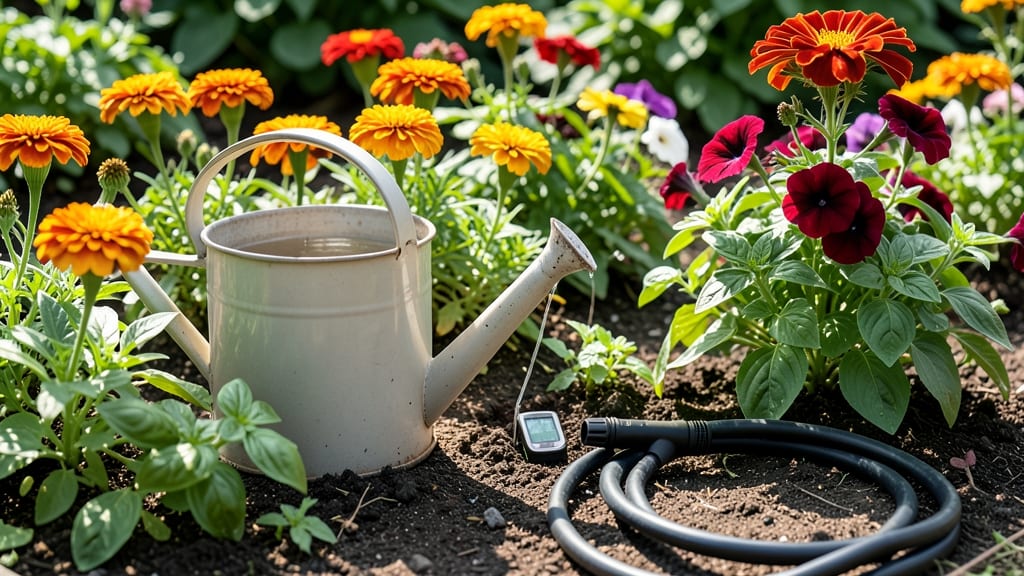
Watering garden plants at the right time is the secret to lush, thriving 🌱 growth—and skipping this step can mean wasted water and struggling plants.
Struggling to keep your garden thriving? The when of watering can make or break your plants—early morning isn’t just a myth, it’s a game-changer for root health and pest control.
Most gardeners assume watering anytime is fine, but timing matters more than you think. Morning watering lets roots soak up moisture before the heat evaporates it, while evening sessions can invite fungal diseases and slugs.
In this guide, I’ll break down the best times to water based on your plants’ needs, your climate, and even the season—so you can finally stop guessing and start growing with confidence.
Why early morning watering maximizes plant growth and health
I’ve learned through years of gardening that the timing of watering can transform your garden’s success rate. While most gardeners focus on how much to water, the best time to water garden plants is equally critical.
Early morning watering—between 5 AM and 9 AM—isn’t just a suggestion; it’s a science-backed strategy that boosts root development and reduces waste. Let’s explore why this window works best and how it benefits your plants.
When you water in the morning, you take advantage of the cool temperatures and low wind speeds. This means less water evaporates before it reaches the roots, ensuring your plants get the full hydration they need.
Studies show that up to 30% less water is lost to evaporation compared to midday or evening watering. For my tomatoes and peppers, this translates to stronger stems and higher yields.
Another key benefit is deeper root penetration. Morning watering allows moisture to seep down gradually, encouraging roots to grow deeper into the soil in search of water. Shallow roots, common with inconsistent watering, make plants more vulnerable to drought and heat stress.
I’ve seen my herb garden thrive with deeper roots when watered consistently in the morning.
Fungal diseases like powdery mildew and blight are also less likely when you water early. Wet foliage sitting overnight creates the perfect environment for fungal spores to spread.
By keeping leaves dry, morning watering helps prevent these common garden pests. My roses and basil stay healthier all season long because of this simple habit.
Pests like aphids and slugs are less active in the morning hours, reducing their ability to feed on your plants. Watering early disrupts their feeding patterns, giving your plants a fighting chance.
Plus, the cool morning dew often provides enough natural moisture for some plants, reducing the need for extra watering.
But what if you’re not an early riser? Don’t worry—adjusting your schedule based on your climate zone is key. In hot, dry regions like the Southwest, morning watering is essential to prevent rapid evaporation.
In cooler, humid climates like the Pacific Northwest, you might extend the window slightly, but still aim for before 10 AM.
For container gardens, morning watering is especially critical because pots dry out faster. I water my herb pots on my balcony first thing in the morning to maintain consistent moisture.
The key is to water until you see water draining from the bottom, ensuring the roots get fully hydrated.
If you’re in a humid climate, you might need to adjust slightly—watering by 7 AM ensures leaves dry before afternoon humidity sets in. In arid regions, extending to 9 AM helps combat extreme heat.
Always check your plants’ leaves by midday; if they’re still damp, you’re watering too late.
Pro tip: Use a soaker hose or drip irrigation for morning watering. These deliver water directly to the soil, minimizing waste and keeping foliage dry. I’ve seen my water usage drop by 40% since switching to drip irrigation in the mornings.
It’s a small change with big rewards for your garden’s health.
So next time you’re planning your garden routine, set that alarm for 6 AM. Your plants will thank you with stronger growth, fewer pests, and healthier blooms all season long. Trust me, this small habit makes a world of difference! 🌱☀️💧
Best times to water plants beyond morning: evening and midday alternatives
Life doesn’t always cooperate with a 6 AM watering schedule. When early morning isn’t an option, you might wonder: Can I water in the evening or midday instead? The answer depends on your plant types, climate, and how you adjust your approach.
While morning watering remains ideal, evening and midday alternatives can work—with key precautions.
Evening watering is often the next best choice, especially in hot, dry climates. The cooler temperatures reduce evaporation loss, giving roots time to absorb moisture before nightfall. However, this method carries risks like fungal growth if foliage stays wet too long.
Midday watering, on the other hand, is rarely recommended due to rapid evaporation, but there are exceptions for drought-prone plants or specific garden setups.
Here’s how to weigh the pros and cons of each approach to keep your garden thriving without the morning routine.
Evening Watering
- Reduced evaporation in cooler temps
- Gives roots time to absorb moisture
- Ideal for container plants or small gardens
- Fungal risk if leaves stay wet overnight
- Attracts slugs and pests in humid climates
- Less effective in windy conditions
Midday Watering
- Can cool plants during heatwaves
- Useful for drought-tolerant plants needing deep soaks
- Avoids pest activity common in mornings
- Rapid evaporation wastes water
- Can burn tender leaves with droplets
- Encourages surface crusting in clay soils
If you opt for evening watering, finish by 6 PM to minimize fungal risks. Water at the base of plants rather than overhead to keep foliage dry.
For midday watering, limit it to drought-resistant plants like succulents or lavender, and use a soaker hose to deliver water directly to roots.
Always monitor your garden’s response. Yellowing leaves or mold growth are clear signs to adjust your schedule. In humid climates, stick to morning watering whenever possible—your plants will thank you with healthier growth and fewer pests.
Pro tip: Use a moisture meter to check soil conditions before watering, regardless of time. This ensures you’re addressing thirsty roots, not just following a schedule. Even the best timing won’t help if your plants aren’t getting enough water to begin with!