
Watering
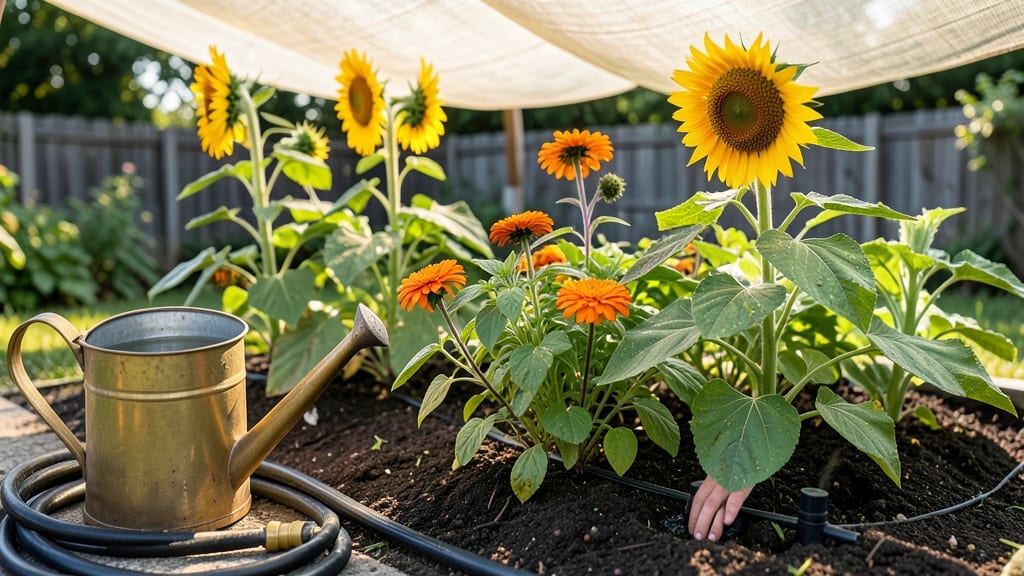
Watering your garden in summer how often depends on more than just the heat—it’s about reading your plants, soil, and even the time of day.
Picture this: You walk outside after a 90-degree afternoon and see your 🌱 garden plants drooping like they’ve been hit with a heatwave. But here’s the catch—watering them every time you see wilting can backfire.
Too much water drowns roots, while too little stresses your plants. The trick? A schedule that adapts to your garden’s unique needs.
Most gardeners assume a one-size-fits-all approach, but summer watering is anything but simple. Soil type (clay holds moisture longer than sandy soil), plant types (tomatoes need more than succulents), and even your local climate play a huge role.
A drip irrigation system or morning watering can save you time and keep roots healthy, but without the right rhythm, you’re either wasting water or watching your plants wilt.
In this guide, I’ll break down the exact watering frequency for different plants, how to spot when your garden is thirsty (or overwatered), and smart hacks to cut your water use by half—without sacrificing lush, happy plants. Let’s make sure your garden survives summer in style.
Summer watering frequency by plant type: a science-backed schedule
Summer heat turns gardens into thirst traps, but not all plants drink from the same glass. Vegetables like tomatoes and leafy greens need daily sips, while succulents and lavender can survive on weekly deep drinks.
The secret? Understanding root depth and heat tolerance—shallow roots need frequent water, while deep roots thrive with infrequent deep soaks. Let’s break down the science so you water just enough—no more, no less.
Your soil type plays a starring role too. Sandy soil drains fast, demanding daily checks, while clay soil holds moisture longer, cutting watering to every 3-4 days.
Even container plants dry out faster than in-ground gardens. Master these variables, and you’ll keep your garden lush without wasting a drop—or drowning your plants in overzealous watering.
Start with vegetables like tomatoes and peppers, which need daily watering in peak heat. Their shallow roots can’t reach deep moisture, so 1-2 inches of water per week is non-negotiable. Skip this, and you’ll watch blossoms drop or fruit split under the stress.
For herbs like basil, every 2-3 days keeps them thriving—but let them dry out, and they’ll bolt to seed faster than you can say "pesto."
Flowers like roses and hydrangeas strike a balance: every 2-4 days keeps blooms vibrant, but morning watering is critical to prevent black spot fungus. I’ve learned the hard way—even drought-tolerant lavender needs weekly deep drinks in 100°F+ heat.
The key? Check soil moisture before watering. Stick your finger 2 inches deep—if it’s dry, water. If damp, wait.
For shrubs and trees, deep roots mean less frequent but deeper watering.
A young apple tree might only need watering every 5-7 days, but give it 10-15 gallons each time to encourage root growth. Succulents and cacti are the rebels of the garden—overwatering kills them faster than drought.
Stick to every 2 weeks in summer, and they’ll reward you with vibrant color all season.
Pro tip: Mulch everything with 2-3 inches of organic mulch (straw, wood chips) to lock in moisture and reduce evaporation by 30%. I’ve cut my watering time in half since adding mulch—my tomatoes stay hydrated longer, and weeds stay away.
Pair mulch with drip irrigation for precise delivery, and you’ll water efficiently without wasting a drop.
Adjust for your local climate. In <
5 Signs your garden needs water (and when to adjust your routine)
Summer’s heat doesn’t just wilt leaves—it signals your plants’ water needs in subtle (and not-so-subtle) ways. Ignoring these cues can stress your garden, but overwatering is just as harmful. The trick? Learning to read your plants’ visual stress signals and adjusting your routine before damage occurs.
Your watering schedule isn’t set in stone. Morning watering (before 10 AM) is ideal—it reduces evaporation and fungal risks, while evening watering can leave plants vulnerable to rot.
Mulch also plays a critical role: a 2-3 inch layer retains moisture and regulates soil temperature, cutting water needs by up to 30%. But even with mulch, your garden will still talk to you—if you know how to listen.
💧 How Often to Water Garden in Summer
-
1. Wilting Leaves (But Not Always)
Crispy, drooping leaves? Water immediately. But if leaves spring back when hydrated, it’s a temporary stress signal—not permanent damage. -
2. Soil Moisture Test
Stick your finger 1-2 inches deep. If dry, water deeply. Sandy soil drains fast (water daily), while clay holds moisture longer (every 2-3 days). -
3. Leaf Color Changes
Yellowing edges? Overwatering or poor drainage. Brown, crispy patches? Underwatering or salt buildup. Adjust frequency or check your irrigation system. -
4. Growth Slowdown
Plants pause growth during drought. If new leaves are smaller than usual or flowers drop, increase watering by 20-30% for a week. -
5. Rainwater Management
After heavy rain, skip watering for 3-5 days. Use a rain gauge to track rainfall—1 inch of rain often replaces 1 watering session for most plants.
🌱 Pro Tip: Group plants with similar water needs together to simplify your routine.
Don’t rely on a rigid schedule—your garden’s needs change with temperature shifts, humidity levels, and even wind exposure. For example, container plants dry out faster than in-ground beds, so check them daily. Vegetables like tomatoes and peppers need consistent moisture, while succulents and lavender thrive on neglect.
Adjust your routine by observing plant recovery time. If leaves perk up within hours of watering, you’re on track.
If wilting returns by noon, increase frequency. Mulch application in early summer can reduce watering needs by up to 50%, but reapply after heavy rains or when it breaks down. For drought-prone areas, consider drip irrigation—it delivers water directly to roots with minimal waste.
Remember: Deep watering (1-2 inches per week) encourages stronger roots than shallow, frequent watering. Use a soil probe or your finger to check moisture levels at root depth.
If the top inch is dry, it’s time to water—even if your last session was yesterday. Adjust, observe, and repeat—your garden will thank you with lush, healthy growth all summer long.