
Tools
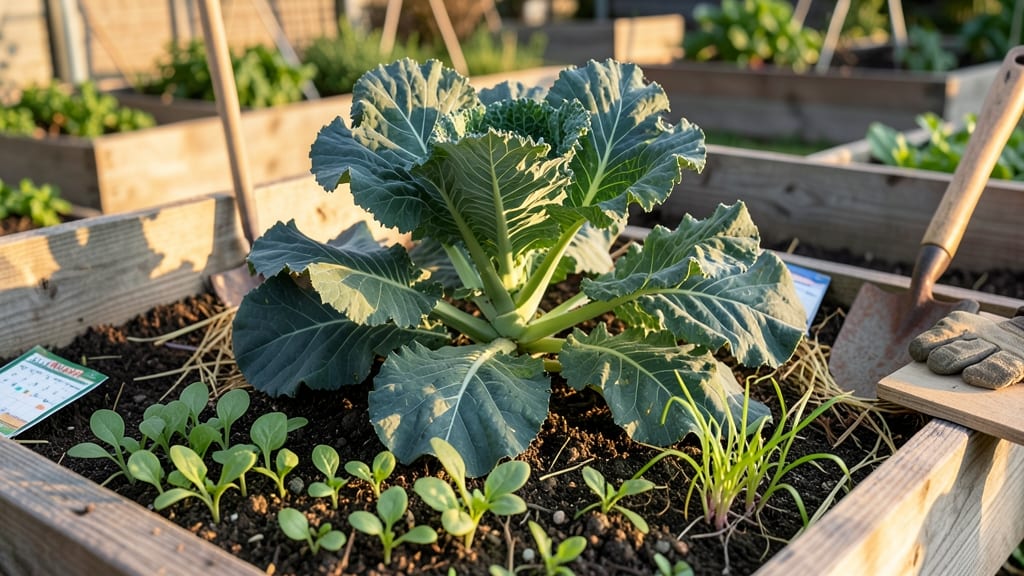
To start a fall garden, aim for planting 4-6 weeks before your first frost — typically in August or early September for most regions.
Fall gardening isn’t just about harvesting pumpkins—it’s a strategic way to grow cold-hardy crops that thrive in cooler weather, often producing sweeter flavors and fewer pests. But timing is everything: start too early, and you’ll battle heat; too late, and frost will ruin your harvest.
Whether you're in USDA Zone 6a or further south, the key is understanding your local frost dates and choosing crops that mature before winter sets in.
Leafy greens like spinach, root vegetables such as carrots, and brassicas like kale are perfect for this season, but they need the right conditions to succeed.
In this guide, I’ll walk you through the best planting windows, regional adjustments, and simple steps to prepare your soil and seeds for a bountiful fall harvest. Avoid common mistakes and discover how to extend your growing season with easy techniques.
Best planting timing for fall vegetables by region and last frost date
Timing your fall garden correctly means the difference between a bountiful harvest and wasted effort.
The key is planting cool-season crops 4-6 weeks before your first frost date, but this varies dramatically across the U.S. In the Northern US, where winters arrive early, you might start as soon as mid-August, while Southern gardeners can extend planting into October or November.
High-altitude gardens? They often follow Northern timing due to cooler temperatures, even if geographically Southern.
Your last frost date is the starting point for all calculations. For example, if your first frost is October 15, aim to plant by September 1 for a full harvest.
Use the USDA Plant Hardiness Zone Map to refine your timing—Zone 3 gardeners have just 120 frost-free days, while Zone 10 can grow year-round. Adjust for microclimates too; a sunny south-facing bed warms up faster than a shaded corner.
Here’s how to calculate your ideal planting window: subtract 60 days from your first frost date for direct-sown crops like carrots or lettuce. For transplants (e.g., broccoli, kale), use 45 days. In high-altitude gardens (e.g., Denver, Colorado), add 10-14 days to account for cooler soils.
For instance, if your frost date is October 1, plant transplants by August 22 at sea level, but by August 8 at 5,000 feet.
In the Northern US, focus on fast-maturing crops like radishes (25 days) or turnips (40 days) to avoid frost. Southern gardeners can afford slower growers like collards (60+ days) or cabbage (70 days) because their growing season stretches later.
For high-altitude gardens, prioritize cold-hardy varieties like ‘Winterbor’ kale or ‘Purple Top’ turnips, which tolerate light frosts better than standard types.
Don’t overlook succession planting—it’s your secret weapon for a continuous harvest. For example, sow a batch of spinach every 2 weeks from August through September. This ensures you’re always harvesting young, tender leaves.
In Zone 5, where frost hits early, I plant half my lettuce in late July and the rest in early August. The first batch matures before the second, giving me greens for 6 weeks instead of just 3.
Soil temperature matters just as much as air temperature. Use a soil thermometer to confirm your soil is 50°F or warmer—cool soils delay germination.
In Zone 4, I wait until August 10 to plant peas, even if the air is warm, because the soil stays too cold for sprouting. Amend your soil with compost to improve warmth retention; a well-prepped bed can be 5-10°F warmer than bare ground.
Protect your fall crops from early frost with row covers or cold frames. These simple tools can extend your harvest by 2-4 weeks. For example, I use floating row covers over my broccoli in Zone 6 to
Top 10 cool-season crops that thrive in fall gardens (and how to extend their season)
Fall gardening offers a second chance to grow delicious, cold-hardy crops that often taste sweeter after a light frost. The key is selecting the right varieties and protecting them from early cold snaps.
My top 10 picks include leafy greens, root vegetables, and brassicas that thrive when temperatures dip—plus proven methods to extend their harvest well into winter.
Timing is critical: most cool-season crops should be sown 4-6 weeks before your first frost date. This window ensures they mature before winter sets in but avoids the heat stress of late summer.
For example, in USDA Zone 6a, that means planting between mid-August and early September for a harvest before October’s first frost.
Let’s start with the top 3 most frost-tolerant crops that consistently deliver in fall gardens. Spinach and kale can survive light frosts down to 20°F, while carrots and beets sweetened by cold weather.
For protection, use row covers or low tunnels to shield them from hard freezes (below 15°F).
Next up are broccoli and cauliflower, which thrive in cool weather but need consistent moisture. Plant them 6-8 weeks before frost for a head start. My secret?
Mix in compost at planting to retain warmth in the soil. For extra insurance, succession plant every 2 weeks to stagger harvests and avoid bolting.
Don’t overlook garlic and onions—they’re perfect for fall planting in many climates. Break bulbs in late September (Zone 5-8) so they establish roots before winter. Cover with straw mulch (4-6 inches) to insulate them from freezing soil.
These alliums often produce larger yields when grown in fall, with harvests ready the following summer.
For extended-season harvests, try radishes (ready in 25-30 days) and turnips, which tolerate light frosts. Pair them with cold-hardy peas (like Sugar Snap or Oregon Sugar Pod) for a dual-purpose crop—peas fix nitrogen in the soil while providing edible pods.
Use black plastic mulch in early fall to warm the soil for faster germination.
Finally, lettuce and mustard greens are my go-to cut-and-come-again crops. Sow them in late summer for baby leaves or let them bolt in fall for seed production. To protect tender varieties, install hoop houses or cloches before temperatures drop below 30°F. Harvest outer leaves first to keep plants productive.