
Planting
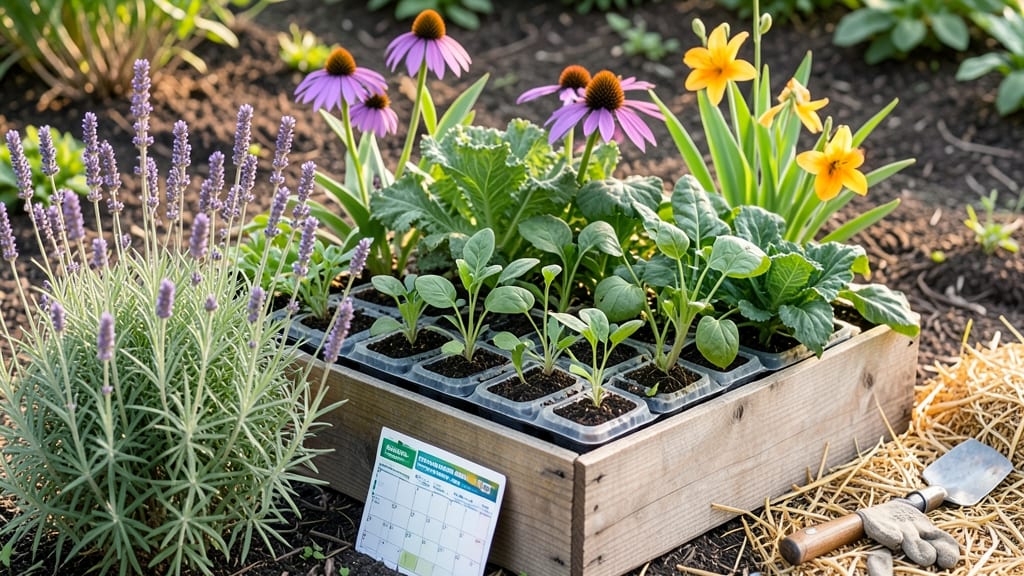
Planting a garden in Wisconsin at the right time means the difference between a thriving 🌱 harvest and lost seeds to a late frost.
Wisconsin’s unpredictable frost dates can turn a gardener’s dream into a risky gamble—unless you know exactly when to plant for maximum success. Timing your garden right means the difference between a bountiful harvest and wasted seeds.
With USDA zones 4b-6a and frost-free days ranging from 140-180, your planting window in Wisconsin is narrow but doable with the right strategy. Whether you’re sowing tomatoes in April or perennials in August, this guide breaks down the exact dates by county.
You’ll learn how to adjust for microclimates, avoid common mistakes, and use soil temperature as your secret weapon. Let’s get your Wisconsin garden off to the best start possible.
Wisconsin last-frost dates by county: exact planting timelines
Wisconsin’s last-frost dates vary dramatically by county, making precise timing essential for garden success. Northern counties like Bayfield and Ashland often see frost until May 20, while southern areas like Walworth and Racine typically warm up by April 15.
These differences align with USDA zones 3b-6a, where even neighboring counties can have 2-3 week planting windows.
To avoid frost damage, use the UW Extension frost calculator (available at [Wisconsin Horticulture](https://hort.extension.wisc.edu)) for real-time updates. This tool adjusts for elevation and lake-effect cooling, which can delay spring warmth near Green Bay or Lake Michigan shores by up to 10 days.
Always verify with a soil thermometer—plants like tomatoes and peppers need soil at 55°F+ before transplanting.
Below is a county-by-county breakdown of average last-frost dates for spring planting, categorized by early, mid, and late zones.
For fall planting, subtract 100-120 frost-free days from your first frost date (typically October 10-25). Cool-season crops like kale or spinach can handle light frosts, while tender plants like cucumbers need protection until May 30 even in southern counties.
Pro Tip: Bookmark the National Weather Service’s Wisconsin frost maps (updated weekly) for last-minute adjustments. Urban areas like Milwaukee or Madison may warm 3-5°F faster than rural zones due to the heat-island effect, creating microclimates where early planting is possible.
For hardy perennials like daylilies or coneflowers, plant in early spring (March-April) as soon as soil is workable. Tender annuals such as marigolds or zinnias can wait until two weeks after your county’s last frost date.
Always check seed packets for days to maturity—plants needing 90+ days (e.g., squash) must start indoors in March for northern counties.
Wisconsin’s fall planting window is equally critical. Cool-season crops like broccoli or carrots should be sown 8-10 weeks before your first frost. In zone 5b (e.g., Madison), this means late July for a harvest before frost.
Use row covers to extend fall harvests by 2-3 weeks in zones 4-5.
Local extension offices often host frost monitoring programs—participate to get real-time alerts for late-season frosts. For
How to adjust planting times for Wisconsin’s microclimates
Wisconsin’s diverse geography means your planting schedule in Milwaukee might differ drastically from Madison or Green Bay. Urban heat islands, lake-effect snow, and elevation changes create microclimates that demand flexibility. For example, cities like Milwaukee can experience 5-10°F warmer soil temperatures than rural areas just 20 miles away.
Even within a single county, frost dates can vary by 1-2 weeks depending on proximity to Lake Michigan or elevation shifts. The lake-effect creates cooler, wetter conditions near shorelines, while inland areas may warm up faster.
Understanding these variations lets you extend your growing season or protect tender plants from unexpected late frosts.
To fine-tune your schedule, monitor soil temperatures—not just air temperatures. A soil thermometer helps you confirm when 50°F is reached for warm-season crops like beans and squash. In Northern Wisconsin, wait until late May for these plants, even if frost dates suggest otherwise.
For fall planting, urban areas may allow second-crop vegetables like radishes or lettuce until early October, while rural lakeside gardens should stop by September 15th. Always check UW Extension’s frost maps for real-time updates, as La Niña years can push frosts 2 weeks later than average.
Protect vulnerable plants with row covers or mini-greenhouses to shave off 10-14 days from your planting window. For example, peppers planted under floating row covers in early April can thrive in Milwaukee’s urban heat islands, while uncovered plants would fail in Green Bay until mid-May.
Start seeds indoors 6-8 weeks before your adjusted outdoor planting date. This buffer accounts for microclimate delays and gives seedlings a head start. For Southern Wisconsin, begin tomato seeds in early March; in Northern Wisconsin, wait until mid-March.