
Planting
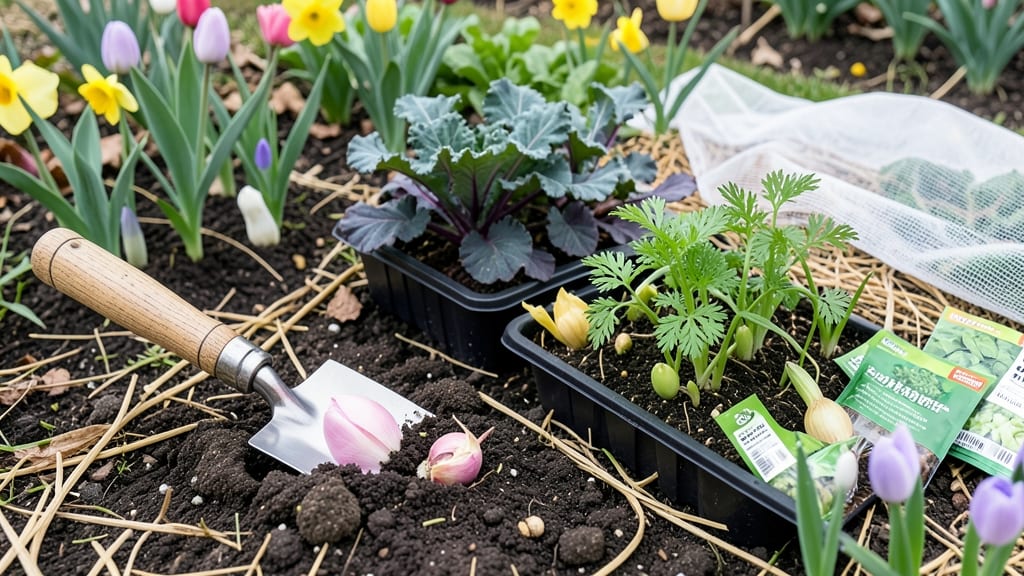
Planting a garden in Upstate NY at the right time means the difference between a bountiful harvest and a sad pile of frost-killed seedlings.
Upstate NY’s unpredictable frost dates can make or break your garden—plant too early, and you risk losing your hard work to late frosts; too late, and you’ll miss peak harvests.
This guide breaks down the exact 2024 planting windows for your region, so you can grow a thriving garden with confidence.
Whether you’re sowing cool-season crops like spinach in early April or waiting for the heat to plant tomatoes in June, timing is everything.
The USDA Zones 5b-6a here mean frost can linger until mid-April or arrive as early as late September, so knowing when to start seeds indoors, transplant seedlings, and direct-sow outdoors is the key to success.
Below, I’ll walk you through the best planting schedule for Upstate NY, including how to adjust for microclimates, extend your growing season, and avoid common mistakes that even experienced gardeners make.
Upstate NY 2024 frost dates: last & first frost timelines by Zone
Understanding Upstate NY frost dates is your first step to a successful garden. The region spans USDA Zones 5-6, where late spring frosts can linger past May 15 in colder microclimates like the Adirondacks, while areas near the Finger Lakes often see frost-free conditions by May 1.
These variations mean your planting timeline should account for both average frost dates and your specific location's history.
For 2024 planning, I recommend checking your local National Weather Service station for the past 5 years of frost data.
Many Upstate gardeners in Zone 5b (e.g., Syracuse, Utica) wait until May 10-20 to plant frost-sensitive crops, while Zone 6a areas (e.g., Rochester, Buffalo) can start as early as April 25. The first fall frost typically arrives between October 10-25, with high-altitude regions freezing earlier.
Here’s how to use this data: track your local frost dates for 3 years to identify patterns.
For example, my garden in Zone 5b near Saratoga Springs has seen last frosts as late as May 28, so I delay planting tomatoes and peppers until June 1 unless I use row covers. Always have frost cloth ready for late surprises!
Microclimates play a huge role in Upstate NY. For instance, the Finger Lakes region benefits from lake-effect warming, allowing you to plant cucumbers and squash 2 weeks earlier than inland areas. Conversely, valleys and low-lying spots near Lake Champlain can experience 3-5°F colder temperatures than nearby hills.
To adjust, I recommend planting frost-hardy crops like kale and peas 2 weeks before the average last frost date, while waiting for eggplants until after May 30.
Local nurseries like Cornell Cooperative Extension offer frost date calendars tailored to your county. I also use the Old Farmer’s Almanac for long-term trends, but always cross-reference with your own garden’s history.
For example, my Zone 5b garden in Schenectady had a late frost on May 18, 2023, so I now wait until May 25 to plant tomatoes outdoors.
First fall frosts are equally critical. In Zone 5a, I start harvesting pumpkins by October 1 and pull up beans by September 20 to avoid frost damage.
For Zone 6a gardeners, you can often extend the season until October 25, but keep frost blankets handy for broccoli and cabbage.
Pro tip: Use heat-loving plants like sweet potatoes and peppers as your fall frost indicators. If they’re thriving in early October, you’ve got a few more weeks of growing. If they’re struggling by September 15, it’s time to switch to cool-season crops like spinach and radishes.
For 2024 planning, mark your calendar for these key dates:
- April 15: Start indoor seedlings (tomatoes, peppers).
- May 1: Plant hardy greens (spinach,
Best planting schedule for Upstate NY crops: cool vs. warm season plants
Upstate NY’s cool spring mornings and hot summer afternoons create the perfect mix for both cool-season crops and warm-season plants. The key is timing—plant too early, and a late frost will wipe out your seedlings; too late, and you’ll miss peak harvests.
My week-by-week schedule aligns with Upstate NY’s USDA Zones 5b-6a, using average last frost dates (mid-April) and first frost timelines (mid-October) as your guide.
Cool-season crops like spinach and kale thrive in 50-65°F soil, while warm-season plants such as tomatoes and peppers need 60°F+ soil and consistent warmth. I’ve broken this down into three planting phases: early spring, late spring/early summer, and late summer.
Each phase includes specific crops, soil prep tips, and common mistakes to avoid—like overcrowding seedlings or ignoring soil temperature.
- 1. Early Spring (March-April): Plant cool-season crops like peas, spinach, and lettuce as soon as soil is workable (40°F+). Use row covers for extra frost protection.
- 2. Late Spring/Early Summer (May-June): Wait until after last frost (mid-April) to plant warm-season crops like tomatoes, peppers, and beans. Start transplants indoors in early April for a head start.
- 3. Late Summer (July-August): Sow fast-maturing crops like bush beans, radishes, and kale for a fall harvest. Avoid planting heat-sensitive crops (e.g., cucumbers) after July 15.
- 4. Soil Prep Tip: Test soil pH (6.0-7.0 ideal) in early spring. Add compost for cool-season crops and balanced fertilizer (10-10-10) for warm-season plants.
- 5. Avoid These Mistakes: Overcrowding seedlings (thin to 2-3 inches apart), planting warm-season crops too early (they’ll bolt), and ignoring microclimates (e.g., south-facing beds warm faster).
For cool-season crops, focus on March-April planting. I recommend starting with hardy greens like spinach and kale, which can handle light frosts and even improve in flavor after a frost. Peas and radishes are also early favorites—they germinate quickly in 40-50°F soil.
Use straw mulch to retain moisture and protect young plants from late spring frosts.
When warm-season crops like tomatoes and peppers hit the garden, soil temperature is critical. Wait until the soil reaches 60°F+ (use a soil thermometer to check).
For a longer harvest, succession plant beans every 2 weeks from June to July. Pumpkins and squash need warmth and space, so plant them after Memorial Day in well-draining soil.
Don’t forget herbs! Cilantro and parsley thrive in cool weather, while basil and oregano love summer heat. Plant basil after last frost in full sun—it bolts quickly in cool temperatures.
For maximum flavor, harvest herbs in the morning and prune regularly to encourage bushier growth.
As summer winds down, shift to fall crops like broccoli and carrots. These cool-season plants need 60-70 days to mature, so plant them 8 weeks before first frost (early August).
Use row covers to extend harvests into October. And if you’re feeling ambitious, try overwintering onions or garlic in late fall for an early spring harvest.