
Planting
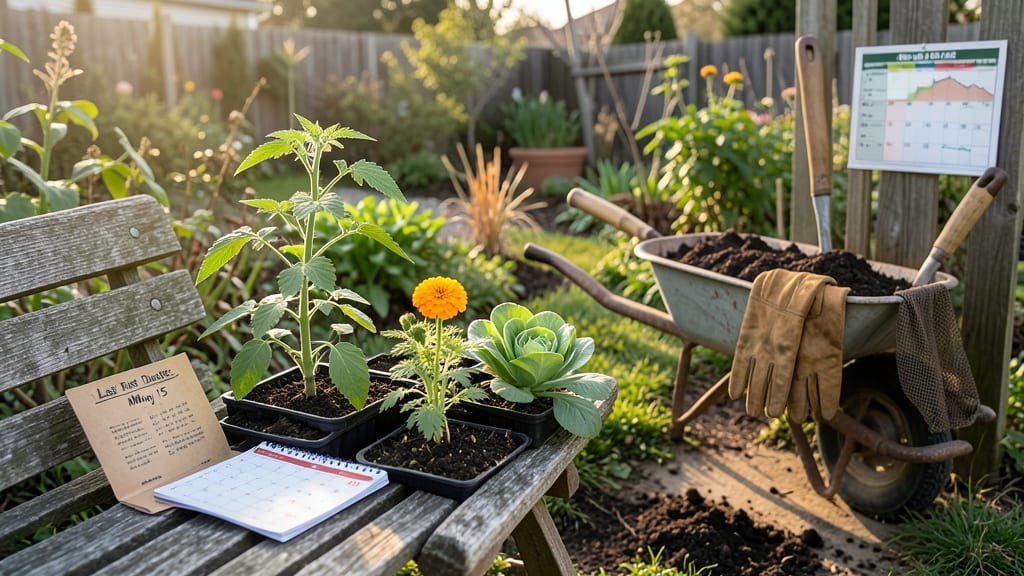
To plant a garden in Michigan successfully, timing is everything—especially in Zone 5b-6b where frost can strike well into May or linger late into September.
Michigan’s unpredictable spring weather can turn a gardener’s excitement into frustration—planting too early risks frost damage, while delaying may shorten your harvest. Mastering the perfect timing for Zone 5 crops ensures your garden thrives from seed to table.
Whether you’re sowing cool-season veggies like spinach or waiting for warm-weather favorites like tomatoes, knowing when to start is the key to a bountiful harvest. Below, I break down the exact deadlines for spring and fall planting, plus how to stretch your season with simple tricks.
You’ll learn how to read frost forecasts, which crops to plant after Memorial Day, and how succession planting can keep your kitchen stocked all summer long—no matter where in Michigan you garden.
Michigan’s last frost dates by region: critical planting deadlines
Michigan’s Zone 5 climate means frost can strike well into May, but knowing your last frost dates by region helps you avoid frost damage to heat-sensitive crops. The Upper Peninsula averages later frosts than the Southern Lower Peninsula, so timing varies dramatically across just 300 miles.
For example, tomatoes planted too early in Marquette may wilt, while peppers in Detroit can thrive with proper scheduling.
Understanding these deadlines isn’t just about avoiding frost—it’s about maximizing your harvest window. Cucumbers and squash need a long, warm season, so planting them after the last frost ensures they mature before fall’s first chill.
Even perennials like asparagus benefit from knowing when to plant, as early starts give them time to establish roots before winter.
Here’s how Michigan’s three main regions differ—and when to plant your heat-loving crops for success:
In the Upper Peninsula, where frosts linger until late May, I recommend starting tomatoes indoors by April 1 and transplanting after June 1. The cooler climate favors early-maturing varieties like 'Stupice' or 'Mountain Merit,' which can handle shorter seasons.
For peppers, which need 80+ frost-free days, wait until June 15—or grow them in containers for easier winter protection.
Gardeners in the Northern Lower Peninsula have a slight advantage, with last frosts typically by May 10. This region is perfect for cucumbers and squash, which thrive in the warm summers.
I plant bush beans as early as May 15 because they tolerate cooler soil temperatures better than tomatoes. For peppers, I always start seeds indoors in March to give them a head start before transplanting after Memorial Day.
The Southern Lower Peninsula offers the earliest planting windows in Michigan, with last frosts often by April 25. Here, I push the limits by planting tomatoes as early as April 30 using black plastic mulch to warm the soil faster.
For peppers, I begin seeds indoors in early March and use row covers until the last frost date passes. This region’s longer growing season also allows for fall planting of kale and spinach as early as August 1.
No matter your region, always check the soil temperature before planting—tomatoes need soil at 60°F (15°C), while peppers prefer 70°F (21°C). A simple soil thermometer (under $10) saves you from wasted effort.
I also recommend keeping a gardening journal to track your local frost dates, as they can shift by a week or more depending on the year.
For fall planting, remember that Michigan’s first frost typically arrives between October 1–15, depending on the region. This means you can still plant cool-season crops like broccoli and carrots as late as August 15 in the south or September 1 in the north.
These crops mature quickly and can withstand light frosts, extending your harvest well into autumn.
If you’re new to Michigan gardening, don’t stress over exact dates—focus on planting after the last frost and using season extenders like row covers or cold frames. Even a 10-day delay can mean the difference between a thriving garden and a frost-killed disappointment.
With these regional guidelines, you’ll be well on your way to a bountiful harvest!
How to Extend your Michigan gardening season: cold frames, row covers, and succession planting
Michigan’s short growing season doesn’t have to limit your harvest. With the right tools and techniques, you can push your planting windows earlier in spring and later into fall.
I’ve used cold frames, row covers, and succession planting to grow leafy greens and root vegetables well beyond the traditional season. These methods protect tender plants from frost while maximizing your garden’s productivity.
Cold frames and row covers create microclimates that trap heat and shield plants from harsh winds. For example, I’ve started spinach and lettuce in early April under a cold frame, harvesting fresh greens weeks before my neighbors’ gardens even sprout.
Meanwhile, succession planting ensures a steady supply of carrots and radishes by staggering plantings every 2-3 weeks.
Here’s how to implement these strategies for your Michigan garden:
- 1 Start cold frames in early March to harden off seedlings. Place them on south-facing slopes to maximize sunlight exposure. Use clear plastic or glass to trap heat during the day and retain warmth overnight.
- 2 Use row covers from late April to protect young plants from late frosts. Secure covers with bricks or stakes to prevent wind damage. Remove during the day in May when temperatures consistently stay above 50°F (10°C).
- 3 Plant spinach and lettuce every 2 weeks from April through August. This ensures a continuous harvest while avoiding bolting. For root vegetables like carrots, succession plant every 3 weeks until early July for fall harvests.
- 4 Extend fall harvests with low tunnels. Cover late-season crops like kale and beets with row covers or mini greenhouses until the first hard frost. This can add 4-6 weeks to your growing season.
- 5 Monitor soil temperatures with a thermometer. Most cool-season crops thrive when soil stays between 45°F-65°F (7°C-18°C). If temperatures rise above 75°F (24°C), provide afternoon shade to prevent bolting.
Don’t overlook the power of succession planting for root vegetables. I’ve found that planting radishes every 10 days from May through July gives me a steady supply of quick-harvest crops. For longer-season vegetables like carrots, stagger plantings every 3 weeks to ensure a continuous harvest from summer into fall.
When using cold frames or row covers, always ventilate on warm days to prevent overheating. I leave the lid of my cold frame propped open when temperatures exceed 70°F (21°C) to avoid cooking the plants.
Similarly, remove row covers during the day in late spring to harden off seedlings before full exposure.
With these techniques, I’ve extended my gardening season by nearly 3 months on both ends. Whether you’re growing leafy greens for salads or root vegetables for storage, these strategies will help you make the most of Michigan’s growing conditions.
Start small with one cold frame or row cover this season, and watch your harvest times expand! 🌱