
Planting
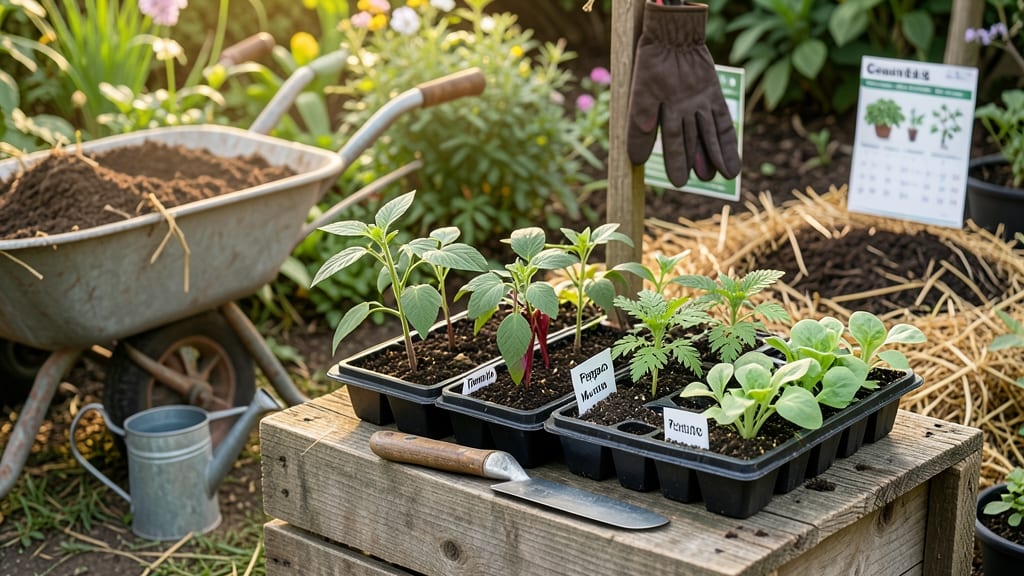
Planting your garden in Kentucky after the last frost date—typically mid-April—sets the stage for a bountiful harvest, but timing is everything.
Miss that window, and you risk losing tender seedlings to late frosts; wait too long, and you’ll miss peak harvests. Kentucky’s USDA Zones 6a-7a bring unique challenges, from unpredictable frost dates to shifting seasonal windows.
This guide breaks down the exact planting windows for vegetables, flowers, and perennials, so you can align your garden with Kentucky’s climate—whether you’re in Louisville, Lexington, or Northern Kentucky.
Discover season-specific strategies, from cool-season crops like spinach to warm-season favorites like tomatoes, and learn how to adjust for Kentucky’s 165 frost-free days.
Kentucky frost dates by month: critical planting windows for 2024
Kentucky’s USDA Zones 6b and 7a create a unique gardening climate where last spring frost can vary by 2-3 weeks between northern and southern regions. For Louisville and Lexington, the average last frost date falls around mid-April, while northern Kentucky may see frost linger until late April.
Understanding these dates helps you avoid frost damage to tender seedlings while maximizing your growing season.
In Kentucky, gardeners divide crops into two categories: cool-season hardies (like lettuce and spinach) that thrive in 40-60°F soil, and warm-season tender plants (such as tomatoes and peppers) that need consistent 60°F+ soil.
Planting too early risks frost kill, while waiting too long shortens harvest windows. Let’s break down the month-by-month frost dates and how they shape your planting schedule.
📅 Spring Frost Dates: Northern Kentucky (Zone 6b) typically sees its last frost around April 15-20, while Louisville (Zone 7a) averages April 5-10. Southern Kentucky may warm up even earlier. Use these dates to guide cool-season planting (like broccoli and carrots) and to harden off warm-season starts before transplanting after the frost.
📅 Fall Frost Dates: The first killing frost usually arrives in mid-October for northern Kentucky and late October for Louisville. This means warm-season crops (like beans and squash) must be planted by mid-July to mature before frost, while cool-season crops can be sown as late as early September for fall harvests.
🌱 Cool-Season Planting Windows:
- Direct sow spinach, kale, and peas as early as late February under row covers.
- Transplant cabbage and brussels sprouts by mid-March for spring harvests.
- Succession plant lettuce every 2-3 weeks until mid-July for continuous harvests.
☀️ Warm-Season Planting Windows:
- Start tomato and pepper seeds indoors by mid-March for transplanting after the last frost.
- Direct sow beans and cucumbers by mid-May once soil reaches 60°F.
- For fall planting, sow radishes and turnips by mid-August for quick harvests before frost.
For northern Kentucky gardeners in Zone 6b, late frosts are more common, so wait until April 20 to plant tomatoes and peppers outdoors. In contrast, Louisville’s Zone 7a allows for earlier warm-season planting by early May, giving you a longer harvest window.
Always monitor local weather forecasts—a late frost in April or an early one in October can disrupt even the best-laid plans.
To protect tender seedlings, use frost cloth or row covers when nighttime temperatures dip below 40°F. For extended-season gardening, consider cold frames or low tunnels to push cool-season crops into late fall or early spring.
My personal trick? Plant radishes as a frost indicator—they’ll bolt if frost is coming, giving you a heads-up to cover other plants.
Best crops to plant in Kentucky by season: a Zone-specific guide
Kentucky’s USDA Zones 6-7 offer a long growing season (165 frost-free days), but timing is everything. Cool-season crops thrive in spring and fall, while warm-season plants need summer’s heat. I’ve tested these varieties in my Zone 7a garden and picked the winners for each season—plus cold-hardy options for Zone 6.
For spring planting, focus on fast-maturing crops like lettuce and radishes (30–50 days) to harvest before summer heat. Summer crops need to go in after the last frost (mid-April), with tomatoes and peppers loving the heat. Fall planting starts in late July–August for cool-loving greens and root veggies.
Here’s my season-by-season breakdown of the best-performing crops, including heat-tolerant varieties for Zone 7 and cold-hardy picks for Zone 6:
My Zone 7 garden thrives with succession planting—sow lettuce every 2 weeks in spring for a steady harvest. For Zone 6 gardeners, prioritize fast-maturing varieties and use black plastic mulch to warm soil early.
Don’t forget perennials like asparagus (plant crowns in early spring) and rhubarb (hardy to Zone 3). These low-maintenance crops reward patience with years of harvests
🌱