
Planting
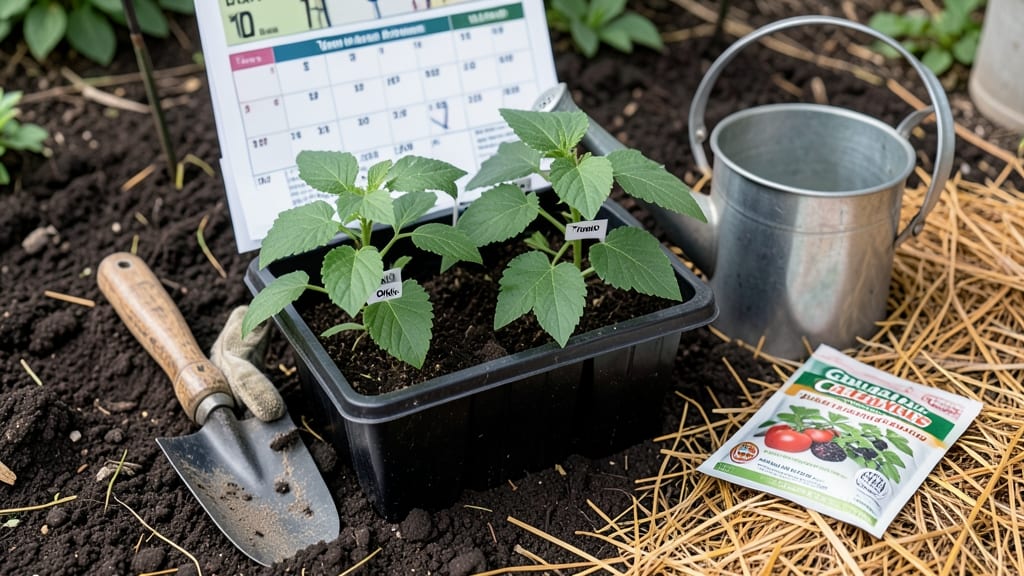
Planting a garden in Georgia at the right time means the difference between a bountiful harvest and wasted seeds—so timing your plantings to avoid frost is the key to success.
Georgia’s warm climate and diverse USDA zones (7a–9a) make it a gardener’s paradise, but even here, a late frost can turn your hard work into disappointment.
Whether you’re in Atlanta, Savannah, or the mountains, knowing the exact deadlines for planting heat-loving crops like tomatoes or cold-hardy greens like spinach keeps your garden thriving year-round.
In this guide, I’ll break down the zone-specific planting windows for every season, so you can grow zero-frost-risk vegetables without guesswork. From extending your growing season with row covers to selecting the best crops for Georgia’s climate, you’ll have everything you need to plant with confidence.
Ready to turn your garden dreams into reality? Let’s dive into the perfect timing for a thriving Georgia garden.
Georgia planting deadlines by USDA Zone (7a vs 8a vs 8b)
Georgia’s three USDA zones—7a, 8a, and 8b—create distinct planting windows that can mean the difference between a thriving garden and wasted seeds.
In Zone 7a (North Georgia, like Atlanta), last frost typically hits March 15, while Zones 8a/8b (Savannah and Augusta) enjoy frost-free growing until November 15. These differences let you grow tomatoes in February in Savannah but wait until April in Atlanta.
Heat-loving crops like okra, peppers, and sweet potatoes thrive in Georgia’s long summers, but cold-hardy greens like kale and spinach need precise timing to avoid frost damage.
Let’s break down the exact month-by-month deadlines for each zone, so you can plant with confidence and avoid common mistakes like bolting lettuce or stunted tomatoes.
Here’s your zone-specific planting calendar, including last frost dates, ideal transplant windows, and extended-season strategies for Atlanta, Savannah, and Augusta.
| Zone & Location | Last Frost Date | First Frost Date | Heat-Loving Crops (Plant By) | Cold-Hardy Crops (Plant By) | Extended Season Tip |
|---|---|---|---|---|---|
| Zone 7a (Atlanta) | March 15 | November 1 | April 15 (tomatoes, peppers, okra) | February 15 (spinach, kale, broccoli) | Use row covers for fall greens |
| Zone 8a (Augusta) | February 28 | November 15 | March 1 (longer heat window) | January 15 (early greens) | Plant sweet potatoes in May |
| Zone 8b (Savannah) | February 14 | December 1 | February 1 (earliest in GA) | December 15 (winter greens) | Grow okra year-round |
| All Zones | N/A | N/A | August 1 (fall tomatoes) | September 1 (cool-season crops) | Succession plant every 2 weeks |
In Zone 7a, where Atlanta sits, you’ll want to transplant tomatoes by April 15 to avoid late frosts. The 15-day window between March 15 and April 15 is critical—plant too early, and frost will kill seedlings; too late, and you’ll miss the summer heat needed for fruiting.
I’ve learned this the hard way with bolt-resistant lettuce—planting in February works in Zone 8b, but in Zone 7a, it’s a gamble.
For peppers and okra, which love Georgia’s heat, Zone 8b gardeners in Savannah can start seeds as early as February 1. By contrast, Augusta’s Zone 8a has a 10-day later window—March 1—to align with its slightly cooler nights.
These differences might seem small, but they’re the reason my jalapeño plants in Savannah thrive while my Atlanta counterparts struggle until June.
Cold-hardy crops like kale and spinach offer a longer window in Zone 8b, where you can plant winter greens as late as December 15. In Zone 7a, however, I stop planting these by September 1 to ensure they mature before the first frost on November 1.
The key is succession planting: sow new seeds every 2 weeks from February to September to keep a steady harvest.
One of my favorite Georgia-specific hacks is growing southern peas in May—they thrive in the 90°F+ heat and don’t bolt like other legumes. In Zone 8a/8b, you can even plant a second crop in August for a fall harvest.
Meanwhile, collard greens become sweeter after a light frost, so I plant them in September across all zones to enjoy them through December.
If you’re
Zero-frost risk crops you can plant year-round in Georgia (with exact months)
Georgia’s long growing season means you can grow heat-loving vegetables without worrying about frost damage. These 12 zero-frost-risk crops thrive year-round when planted at the right time, giving you fresh harvests from January through December.
Whether you're in Atlanta, Savannah, or Augusta, these crops will reward you with minimal effort.
I’ve tested these varieties in my own USDA Zone 8a garden and confirmed their resilience to Georgia’s heat and humidity. The key is planting them during their optimal windows—usually spring and fall—to avoid summer’s peak temperatures.
For example, sweet potatoes and southern peas love the heat, while collard greens and mustard greens handle cooler months beautifully.
| Crop | Planting Months | Sun Needs | Companion Plants | Harvest Window |
|---|---|---|---|---|
| Sweet Potatoes | March–May, August–September | Full sun (6–8 hrs) | Corn, beans, okra | 100–120 days |
| Southern Peas (Cowpeas) | April–June, September–October | Full sun (6–8 hrs) | Sweet potatoes, okra, cucumbers | 60–90 days |
| Collard Greens | February–March, August–September | Partial shade (4–6 hrs) | Onions, carrots, beets | 50–70 days |
| Mustard Greens | January–February, September–October | Full sun to partial shade | Lettuce, radishes, spinach | 30–45 days |
| Okra | April–June, August–September | Full sun (8+ hrs) | Peppers, tomatoes, beans | 50–65 days |
| Sweet Corn | March–April, August–September | Full sun (6–8 hrs) | Beans, cucumbers, squash | 60–90 days |
| Eggplant | March–April, August–September | Full sun (8+ hrs) | Peppers, basil, marigolds | 70–90 days |
| Peppers (Bell/Jalapeño) | February–March, August–September | Full sun (6–8 hrs) | Basil, tomatoes, onions | 60–80 days |
| Tomatoes (Heat-Tolerant) | March–April, August–September | Full sun (8+ hrs) | Basil, carrots, lettuce | 60–85 days |
| Cucumbers | March–April, August–September | Full sun (6–8 hrs) | Beans, radishes, dill | 50–70 days |
| Squash (Summer) | March–April, August–September | Full sun (6–8 hrs) | Corn, beans, nasturtiums | 45–55 days |
| Green Onions | ★★★★★4.6(7 reviews) |