
Planting
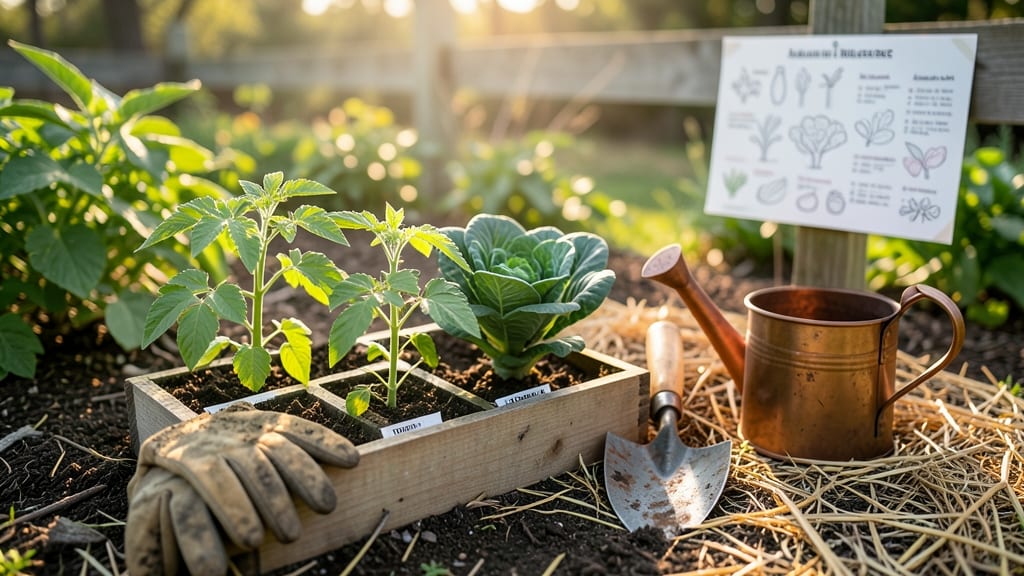
Planting your garden in Alabama at the right time can mean the difference between a fast, bountiful harvest and wilting disappointment under the summer sun.
Alabama’s long, hot summers and unpredictable spring weather can make gardening a challenge—but timing your plantings right unlocks explosive growth and bountiful harvests. Avoid common mistakes by mastering the perfect planting windows for Alabama’s climate zones.
Whether you’re sowing cool-season crops like lettuce in early spring or heat-loving tomatoes after the last frost, the key is knowing when to start seeds indoors, when to transplant, and how to adjust for Alabama’s 7b-8a zones.
Miss the window, and you’ll end up with leggy seedlings or bolted greens.
Below, I break down the exact months to plant everything from sweet potatoes to pecan trees, plus how to handle Alabama’s microclimates—whether you’re in the urban heat of Birmingham or the cooler highlands near Huntsville.
Alabama planting zones & heat-resistant crops timeline by month
Alabama’s USDA zones 7b-8a create a unique gardening challenge with sweltering summers and unpredictable springs. Timing your plantings correctly ensures your vegetables, herbs, and flowers thrive despite the heat. The key is understanding heat-resistant crops and their ideal planting windows to maximize your harvest.
Most of Alabama experiences its last frost around March 15 and first frost around November 15, giving you a 210-day growing season. However, urban heat islands in cities like Birmingham can push temperatures even higher, requiring adjustments for heat-sensitive plants.
Let’s break down the best planting schedule by month to keep your garden productive year-round.
🌱 Pro Tip: Always check your local Alabama Cooperative Extension for precise frost dates, as microclimates can vary by just a few miles.
In spring (March-May), focus
How to adjust planting times for Alabama’s microclimates (urban vs rural)
Alabama’s diverse geography creates distinct microclimates that can shift your planting schedule by 2-4 weeks. Urban areas like Birmingham experience urban heat islands with temperatures 5-10°F hotter than rural zones, while coastal Mobile stays 5°F cooler due to humidity.
High-altitude Huntsville enjoys cooler springs perfect for early plantings, but requires frost protection until mid-April.
Start by testing soil temperatures—warm-season crops like okra and sweet potatoes need 65°F+ soil, while cool-season kale thrives at 50-60°F. Use a soil thermometer ($10 at garden centers) to avoid seed rot from planting too early.
In cities, asphalt and concrete radiate heat, so wait 1-2 weeks later than rural areas for warm crops.
Urban vs. Rural Planting Adjustments
| Factor | Urban Areas (Birmingham, Montgomery) | Rural Areas (North Alabama) | Coastal (Mobile, Gulf Shores) |
|---|---|---|---|
| Planting Window Shift | Delay warm crops 1-2 weeks (hotter soil) | Plant cool crops 2 weeks earlier (cooler nights) | Extend fall crops 3 weeks later (milder winters) |
| Soil Temp Goal | Wait for 70°F+ (asphalt delays warming) | Aim for 60°F+ (soils warm faster) | 65°F+ (humidity slows drying) |
| Shade-Tolerant Alternatives | Malabar spinach, Swiss chard, bush beans | Collards, turnips, radishes | Okra, sweet potatoes, peppers |
| Frost Risk | Last frost March 22 (city heat delays frost) | Last frost March 15 (high-altitude areas) | First frost November 25 (coastal buffer) |
| Watering Adjustment | Water daily in summer (evaporation high) | Water every 3 days (soil drains faster) | Water every 2 days (humidity increases fungal risk) |
For urban gardeners, prioritize container gardening with self-watering pots to combat heat stress. Try vertical gardening with pole beans or cucumbers to escape pavement heat.
In rural high-altitude zones, extend your season with row covers—they add 5-7°F protection and let you plant broccoli and cabbage by February 15.
Coastal gardeners should focus on heat-tolerant varieties like Creole tomatoes or Black Beauty eggplants, which thrive in 90°F+ heat. Use drip irrigation to avoid foliar diseases from humidity. Mulch with straw to maintain even soil moisture—critical when coastal rains alternate with drought spells.
Pro tip: Use Alabama A&M’s Planting Calendar (available via Alabama Cooperative Extension) as your baseline, then adjust ±2 weeks based on your microclimate. For example, Huntsville gardeners can plant peas in late January, while Mobile gardeners should wait until mid-February to avoid spring heat waves.