
Planting
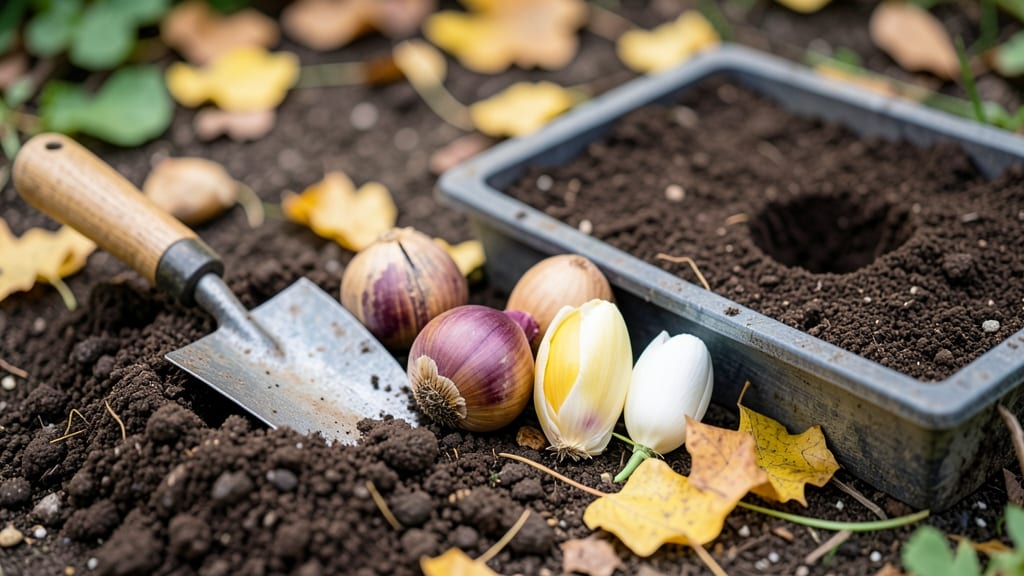
Planting bulbs in the garden at the right time ensures vibrant blooms next season—soil temperatures between 50°F and 60°F are the key to foolproof success.
Picture this: you’ve just tucked your 🌱 bulbs into the ground, only to wake up to a surprise frost. That’s the difference between a thriving spring display and a wasted effort. Timing isn’t just about the calendar—it’s about the hidden cues your soil gives you.
In USDA Zone 6a, like many gardeners, fall planting (4-6 weeks before frost) is your best bet for spring bloomers like tulips and daffodils. But summer-flowering bulbs? They need a spring start. Miss the window, and you’re left with empty garden beds when your neighbors’ flowers pop up.
Below, I’ll break down the exact soil temp triggers, regional tweaks, and a simple checklist to plant bulbs when they’re ready—not just when you’re ready. No guesswork, just guaranteed blooms.
Soil temperature rules for planting bulbs by region
Getting your bulb planting timing right isn't just about months—it's all about soil temperature. Most gardeners know to plant spring-blooming bulbs in fall, but the real secret lies in waiting until the ground cools to 60-70°F for fall planting or warming to 50-60°F in spring.
This temperature range triggers root growth without exposing tender shoots to frost damage.
Your USDA hardiness zone plays a huge role in when you can safely plant. In Zone 5, for example, you might plant tulips in October when soil temps drop below 60°F, while in Zone 9, you could extend planting into December thanks to milder winters.
The key is avoiding freezing soil that can stunt root development.
Here's where many gardeners go wrong: they plant too early when soil is still warm, causing bulbs to sprout prematurely and get fried by frost. Or they wait too long in spring, missing the optimal 6-week window before summer heat sets in.
Let's break down the science and regional rules to get your bulbs in the ground at the perfect moment.
🌱
| USDA Zone | Fall Planting Window | Soil Temp Trigger | Spring Planting Window | Zero-Frost Risk Tip |
|---|---|---|---|---|
| Zones 3-4 | Mid-September to early October | 60-65°F (cools to 50°F by frost) | Early April to mid-May | Use black plastic mulch to warm soil faster |
| Zones 5-6 | Late September to October | 60-68°F (cools to 55°F by frost) | Mid-April to early June | Plant in raised beds for earlier soil warming |
| Zones 7-8 | October to November | 65-70°F (cools to 60°F by frost) | Late March to May | Extend fall planting with row covers |
| Zones 9-10 | November to December | 68-72°F (minimal frost risk) | February to April | Plant summer bulbs like dahlias in late winter |
Notice how the soil temperature trigger shifts slightly by zone? In colder climates, you need to plant earlier to let roots establish before winter, while warmer zones give you more flexibility. The zero-frost-risk strategies listed are game-changers for extending your planting season—especially in marginal zones where frost can be unpredictable.
For spring-planted bulbs like summer blooming dahlias, aim for 50-60°F soil to prevent rot from lingering winter moisture. Use a soil thermometer (just $10 at garden centers) to check temps at 4-inch depth—that's where bulb roots will be growing.
If your soil runs cooler, consider planting in raised beds or using black landscape fabric to absorb heat.
Pro tip: In Zone 6 where I garden, I always plant tulips in late October when soil hits 62°F. Last year, I tried planting earlier when soil was 68°F, and my tulips sprouted too soon—only to get frost-nipped! The 6-week rule before frost is your best friend here.
Don't forget about summer-blooming bulbs like cannas and gladiolas—they need warmer soil (65°F+) to thrive. In Zone 7+, you can plant these as late as May, but in cooler zones, wait until all danger of frost has passed.
Always check your last frost date and count backward—soil temperature is the final piece of the puzzle.
🌿
One common mistake I see is assuming that air temperature equals soil temperature. They're completely different! On a 50°F autumn day, your soil might still be 70°F from summer heat. That's why I always dig down 4 inches with my thermometer before planting.
If you're in doubt, wait one more week—your bulbs will thank you with healthier roots and more vibrant blooms next season.
For gardeners in Zone 9-10, you've got the luxury of year-round planting for many bulbs. I planted rain lilies in December last year and they bloomed beautifully in March. The secret? Keeping soil temps between 65-70°F and ensuring good drainage—no soggy soil here!
Remember: Soil temperature is your planting clock. When it's just right, your bulbs will establish roots quickly and emerge strong next season. Grab that thermometer, check your zone, and plant with confidence—your future spring garden will reward you with show-stopping blooms!
☀️
Moon phases vs. soil conditions: what actually matters more?
I’ve heard gardeners swear by planting bulbs during a full moon for bigger blooms, but here’s the truth: moon phases don’t impact bulb success. What actually determines whether your bulbs thrive is the soil’s readiness—not celestial cycles.
While lunar gardening is fun, science shows moisture levels and soil aeration are the real game-changers for root growth.
Think about it: bulbs need 6-8 weeks of cool soil (50–60°F) to establish roots before winter. A moon phase won’t warm or loosen your soil—organic matter and proper drainage will. That’s why I always test my soil’s moisture and structure before planting, not the lunar calendar.
🌱 What REALLY Matters for Bulb Planting
- Soil Temp: 50–60°F for spring bloomers
- Moisture: Well-draining, not soggy
- Aeration: Loose soil for root spread
- Organic Matter: 20–30% compost for nutrients
Moon phases? Irrelevant—focus on soil science instead.
Let’s talk soil aeration. Compacted soil strangles roots, and bulbs need room to grow. I use a garden fork to loosen the top 12 inches before planting—this mimics natural conditions and lets roots expand freely. Sandy soil drains too fast?
Add peat moss. Clay-heavy? Mix in perlite. The goal? A spongy texture that holds moisture without drowning roots.
Don’t overlook organic matter. Bulbs thrive in soil with 20–30% compost mixed in. Why? Organic matter improves water retention and nutrient availability, especially for spring-flowering bulbs like tulips and daffodils. I swear by a 50/50 mix of native soil and compost—it’s the secret to vibrant, long-lasting blooms.
Now, let’s debunk the moon myth once and for all. While some gardeners claim planting during a full moon boosts growth, studies show no statistical difference. What does matter is planting at the right soil temperature—not lunar phases.
For example, fall-planted bulbs need 4–6 weeks of cool soil before frost to root properly. That’s soil science, not astrology.
Here’s my checklist for foolproof bulb planting: ☑️ Test soil temp (use a soil thermometer) ☑️ Loosen soil to 12 inches deep ☑️ Mix in compost (20–30%) ☑️ Water deeply after planting ☑️ Ignore moon phases—focus on soil conditions instead