
Planting
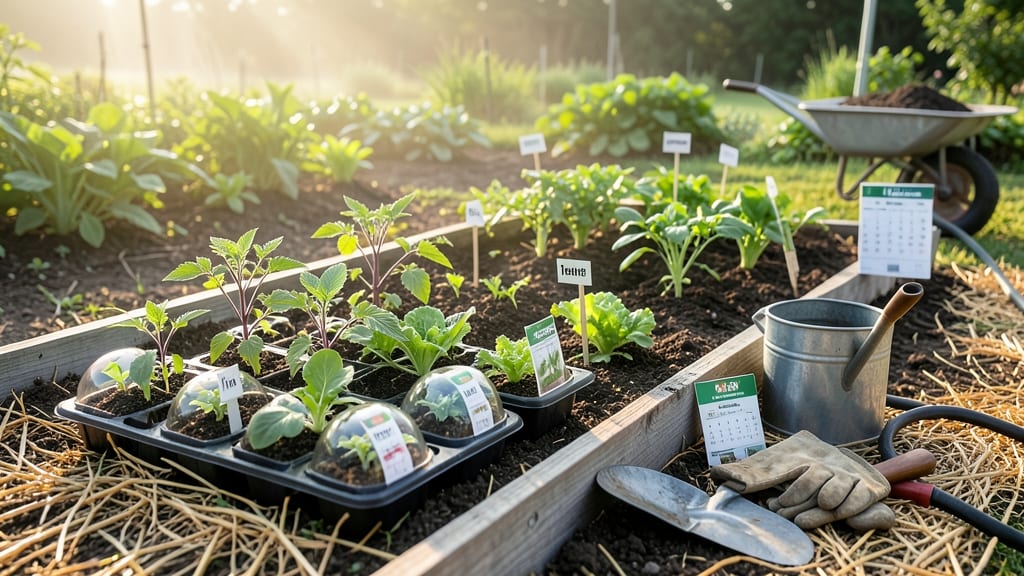
Planting a vegetable garden in New Jersey at the right time means the difference between a bountiful harvest and a sad, frost-nipped failure.
New Jersey gardeners know timing is everything—plant too early and risk frost damage, too late and miss peak harvests. But with NJ’s unique microclimates and fluctuating frost dates, when exactly should you plant your 🌱 garden?
The answer depends on whether you’re growing cool-season crops like lettuce or warm-season favorites like tomatoes, and where in the state you live.
From the northern tip in Zone 6a to the coastal areas in Zone 7b, frost dates shift by weeks. That means a March start in Cape May could spell disaster in Bergen County, where soil stays cold until April.
This guide breaks down the exact windows for each crop, so you can time your planting with confidence.
You’ll learn how to read NJ’s frost maps, when to start seeds indoors, and which vegetables thrive in succession planting for continuous harvests. No more guessing—just a clear, region-specific plan to turn your garden into a year-round producer.
NJ frost dates by region: critical planting windows for vegetables
New Jersey’s frost dates can vary by 5-7 days between the North and South regions, making regional planning essential. The last spring frost typically arrives in early May in the South but lingers until mid-May in the North.
Meanwhile, the first fall frost hits the North by late October, while Southern NJ gardeners often enjoy harvests until early November. These differences directly impact when you can safely plant cool-season crops like spinach and warm-season crops like tomatoes.
Understanding these USDA Zone 6-7a variations helps you avoid frost damage. For example, broccoli and kale can handle light frosts, while peppers and eggplants need warm soil (at least 55°F) to thrive.
My North Jersey gardeners often wait until late May to plant tomatoes, while South Jersey gardeners can start as early as mid-April with row covers.
Here’s a breakdown of NJ’s frost dates by region to help you plan your vegetable garden with confidence:
| Region | Last Spring Frost | First Fall Frost | Cool-Season Planting Window | Warm-Season Planting Window |
|---|---|---|---|---|
| North (USDA 6a) | Mid-May (May 10-15) | Late October (Oct 25-30) | Early March - Early May | Mid-May - Early July |
| Central (USDA 6b-7a) | Early May (May 1-5) | Early November (Nov 1-5) | Late February - Late April | Late April - Mid-June |
| South (USDA 7a) | Late April (Apr 25-May 1) | Mid-November (Nov 10-15) | Early March - Early May | Early April - Late June |
For cool-season crops like lettuce, spinach, and peas, I recommend planting 4-6 weeks before the last frost in your region. These crops thrive in cooler temperatures and can even tolerate light frosts.
In my Central NJ garden, I start broccoli seeds indoors in March and transplant them outdoors by mid-April to ensure a head start before the last frost.
Warm-season crops like tomatoes, peppers, and cucumbers need warm soil (at least 60°F) and should only be planted 2 weeks after the last frost.
In North Jersey, this means waiting until late May, while South Jersey gardeners can plant as early as early April with row covers for extra protection. I always test soil temperature with a soil thermometer to avoid disappointment.
If you’re growing heat-loving crops like okra or sweet potatoes, consider starting them indoors or using black plastic mulch to warm the soil faster. These crops need consistent warmth and won’t tolerate even light frosts.
In my South Jersey garden, I’ve had success planting okra in early June with a black plastic mulch to speed up germination.
For fall planting, focus on cool-season crops again, but start 8-10 weeks before the first frost. This gives plants enough time to mature before winter sets in. In Central NJ, I plant kale and radishes in early August for a fall harvest.
Using row covers can extend the season by 2-4 weeks, allowing you to enjoy fresh greens well into November.
Pro tip: Use Rutgers Cooperative Extension’s frost date maps for real-time updates, as microcl
Best planting calendar for NJ vegetables: month-by-month guide
New Jersey’s variable frost dates and microclimates mean your planting schedule should shift based on whether you’re in North Jersey (Zone 6a), Central NJ (Zone 6b-7a), or South Jersey (Zone 7b).
I’ve broken down the best times to start seeds indoors, direct sow outdoors, and transplant seedlings for your favorite vegetables to maximize yields. Succession planting is key—plant every 2-3 weeks for continuous harvests!
For cool-season crops like lettuce and broccoli, aim to plant in early spring (March-April) and late summer (August-September) to avoid bolting. Warm-season crops such as tomatoes and peppers need to wait until after the last frost—typically mid-to-late May—and should be started indoors 6-8 weeks before transplanting.
Let’s dive into the month-by-month breakdown.
-
🌱 Start IndoorsMarch: Begin tomatoes, peppers, and eggplants indoors under grow lights (6-8 weeks before last frost).
-
🌱 Direct SowEarly April: Plant peas, spinach, and radishes outdoors as soon as soil is workable (40°F+).
-
🌱 TransplantMid-May: Move tomatoes, peppers, and basil outdoors after last frost (May 15-30, depending on region).
-
🌱 SuccessionJune-July: Sow lettuce, kale, and carrots every 2 weeks for fall harvests. Start second crop of tomatoes indoors in July.
-
🌱 Late PlantingAugust: Plant broccoli, cabbage, and beets for fall harvests. Avoid planting warm-season crops after August 15.
Pro tip: Use row covers to extend your cool-season planting by 2-3 weeks in early spring or late fall. For warm-season crops, harden off seedlings gradually by placing them outdoors for 2-3 hours daily starting 1 week before transplanting.
This helps them adjust to NJ’s fluctuating temperatures and wind exposure.
Don’t forget to rotate crops annually to prevent soil-borne diseases. For example, if you grew tomatoes in Bed A this year, plant beans or peas there next year.
This simple step boosts soil health and reduces pests naturally. Succession planting also works wonders—try sowing lettuce every 10 days from April to September for a steady supply!
For South Jersey gardeners, you can push your schedule slightly later—plant warm-season crops in early May and enjoy a longer growing season. Meanwhile, North Jersey gardeners should prioritize early starts indoors and use cold frames to protect tender seedlings.
Always check Rutgers Garden Guide for your specific last frost date each year.
With this calendar, you’ll avoid the common mistakes of planting too early (risking frost) or too late (missing harvests). Happy planting—and may your garden be as bountiful as a New Jersey summer sunset! 🌅