
Planting
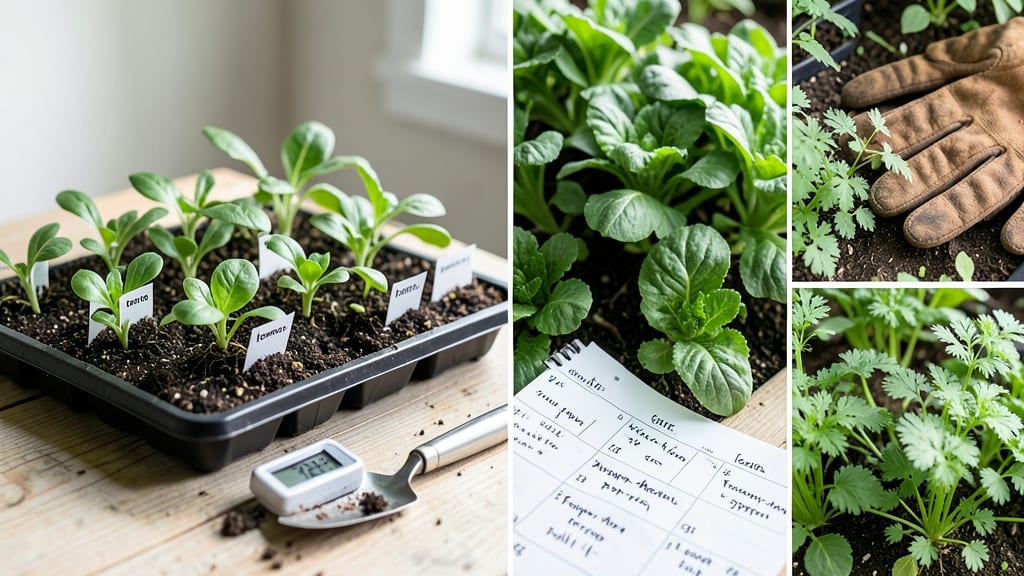
Planting a vegetable garden in California at the right time means the difference between a lush harvest and a sad, wilted mess.
California’s diverse climates—from coastal fog to scorching deserts—mean your vegetable garden’s success hinges on planting at the perfect time. Get the timing wrong, and you’ll battle heat stress, pests, or stunted growth. But master these regional secrets, and you’ll enjoy bountiful harvests year-round.
Coastal areas like San Francisco thrive with early spring plantings, while desert zones like Palm Springs need to wait until the soil warms. I’ll break down the exact months for your region, plus how to adjust for microclimates, so you avoid common mistakes like planting heat-sensitive crops too early.
Discover the optimal planting windows for tomatoes, lettuce, and carrots, plus a downloadable checklist to keep your garden on track. Let’s get those seeds in the ground when they’ll actually grow!
California planting calendar by region: coastal vs. desert vegetable timing
California’s coastal regions like San Francisco and Los Angeles enjoy mild winters and cool summers, while desert areas such as Palm Springs and Coachella Valley experience extreme heat and minimal frost. These differences mean your tomato and pepper planting windows should vary dramatically.
Coastal zones can start earlier, while desert gardens must wait for soil to warm significantly. Let’s break down the monthly planting windows for both regions to maximize your harvest.
In coastal areas, the last frost date typically falls between December and March, allowing for early spring plantings of leafy greens and root vegetables. Meanwhile, desert regions often see their frost-free period extending from March to November, with peak growing months in late spring and early fall.
Understanding these variations ensures you avoid heat stress in summer or cold damage in unexpected coastal chills.
| Month | Coastal (SF/LA) | Desert (Palm Springs) | Notes |
|---|---|---|---|
| January | Peas, Lettuce, Spinach | N/A (Too Cold) | Coastal: Cold-hardy crops thrive |
| February | Broccoli, Carrots, Onions | N/A (Too Cold) | Coastal: Soil temps 50-55°F |
| March | Tomatoes, Peppers, Basil | Start Seeds Indoors | Coastal: Last frost risk; Desert: Wait for 70°F soil |
| April | Beans, Cucumbers, Squash | Direct Sow Heat-Tolerant | Desert: Okra, sweet potatoes excel |
| May | Succession Plant Lettuce | Peppers, Eggplant, Tomatoes | Coastal: Heat-sensitive crops struggle |
| June | Melons, Corn, Zucchini | Peak Heat Crops | Desert: Drip irrigation essential |
| July | Fall Prep: Cover Crops | Continue Heat-Tolerant | Coastal: Prepare for fall planting |
| August | Plant Garlic, Onions | Succession Plant | Desert: Shade cloth helps |
| September | Kale, Brussels Sprouts | Direct Sow Cool-Season | Coastal: First frost risk in Nov |
| October | Peas, Radishes, Spinach | Peppers, Basil | Desert: Extend season with row covers |
For coastal gardens, focus on early spring plantings of cool-season crops like lettuce and broccoli, then transition to heat-loving vegetables such as tomatoes and peppers in late spring.
The foggy summers in coastal areas create a unique challenge—your plants may need extra watering to combat dry soil despite cooler air temperatures. Use mulch to retain moisture and protect roots from temperature swings.
In desert regions, the key is soil temperature. Wait until the ground reaches at least 70°F before planting tomatoes or peppers, typically in April or May.
Desert gardeners should prioritize drought-tolerant varieties like okra and sweet potatoes, which thrive in the intense heat. Drip irrigation is a must to prevent water waste and root stress.
One common mistake is assuming desert and coastal planting schedules are interchangeable. For example, planting cucumbers in coastal areas in June risks heat stress, while desert gardeners might struggle with <
How to adjust planting for California’s microclimates: 5 key factors
California’s microclimates can feel like planting in different states within a single region. What works in coastal San Francisco (cool, foggy summers) fails miserably in desert Palm Springs (triple-digit heat). The key to success? Adjusting your planting schedule based on local conditions rather than relying on generic calendars.
Even within a city, a south-facing slope can be 10°F warmer than a shady backyard, drastically altering when you can plant.
Start by identifying your specific microclimate zone. Is your garden near the coast, in a valley, or on a mountain? These differences dictate soil warmth, frost risk, and even pest pressure.
For example, lettuce thrives in coastal spring but bolts by summer, while okra only survives desert heat if planted after May. Fine-tuning these factors ensures your garden avoids heat stress or cold damage—both common pitfalls for California gardeners.
For desert gardens, prioritize heat-resistant varieties like Black Krim tomatoes or Jalapeño peppers, which tolerate 95°F+ temps. In contrast, coastal gardeners should focus on early spring plantings of cabbage or brussels sprouts, which thrive in cooler, foggy conditions.
Even within a single county, a valley floor might support summer squash while nearby hillsides struggle with blossom-end rot from inconsistent moisture.
Don’t overlook pest pressure tied to microclimates. Coastal areas battle slugs year-round, while deserts see aphid outbreaks during monsoon season. Adjust your planting schedule to avoid peak pest periods—like planting cucumbers after Memorial Day in inland zones to miss squash bug surges.
A simple trick: interplant flowers (e.g., marigolds) to repel pests naturally.
Test your soil’s pH and nutrients every season—desert soils often lack organic matter, while coastal soils may be too sandy. Amend with compost or worm castings to improve water retention and fertility.
For example, strawberries thrive in acidic soil (pH 5.5-6.5), so adjust with sulfur if your soil tests higher. Small adjustments here can mean the difference between bountiful harvests and stunted plants.
Pro tip: Use row covers in early spring to extend coastal growing seasons or shade cloth in desert gardens to protect seedlings from intense afternoon sun. These tools let you fine-tune planting windows by 2-4 weeks in either direction.
With these microclimate adjustments, you’ll turn California’s extremes into opportunities for year-round gardening success.