
Planting
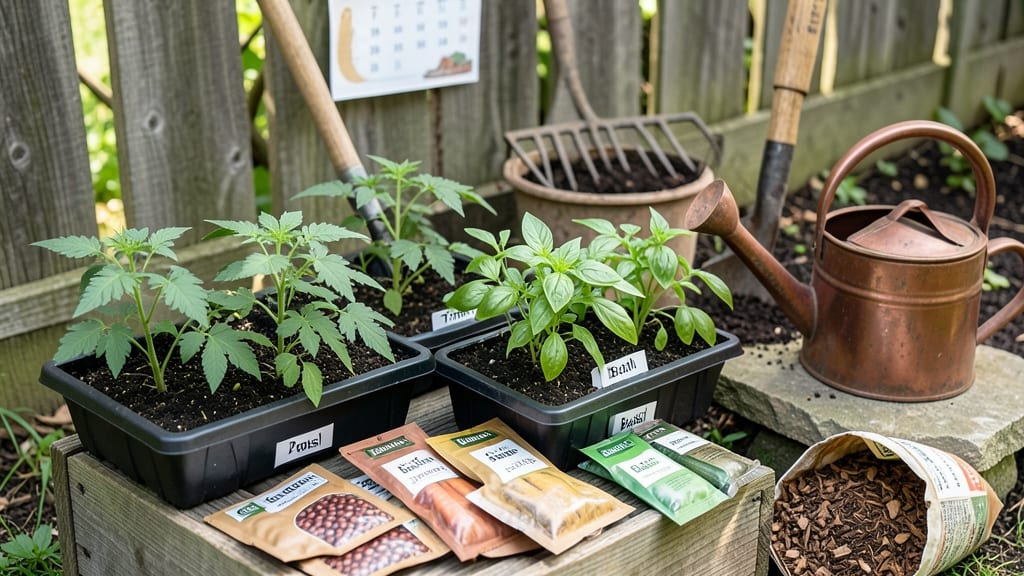
Planting a garden in Missouri means timing your seeds and transplants for the fastest growth between last frost and first frost — and getting those dates wrong can leave you with stunted plants or wasted money.
Missouri’s Zone 5b climate offers a short but productive growing season—planting at the right time means the difference between thriving harvests and struggling seedlings. The last frost typically arrives in early April for most regions, but urban areas like St. Louis can linger a week later.
This guide covers the exact windows for cool-season crops (like lettuce and peas) in early spring, warm-season staples (tomatoes and peppers) after soil warms, and even fall planting for hearty greens. We’ll also show you how to adjust for late frosts or early heatwaves so nothing gets left behind.
Whether you’re a beginner or a seasoned gardener, you’ll learn the key deadlines for Missouri’s microclimates, soil prep tricks to speed up germination, and how to stretch your season with simple tools. Let’s get those seeds in the ground at the perfect moment!
Missouri Zone 5b planting calendar: exact dates for vegetables, flowers & herbs
Missouri’s Zone 5b climate means your planting window is tight—typically 180 frost-free days—but timing it right maximizes your harvest. The average last frost date in most areas (like St. Louis or Springfield) falls between April 15–May 1, while first frost arrives around October 15–30.
Urban areas may experience 2–3°F warmer microclimates, so adjust dates accordingly.
Cool-season crops like lettuce and spinach thrive when soil temps hit 40°F, while tomatoes and peppers need 60°F+ soil to germinate. Perennials like lavender or daylilies should be planted in early spring or fall for best root establishment.
For cool-season crops, start seeds indoors 4–6 weeks before the last frost date. In Missouri, this means early March for kale or cabbage. Harden off seedlings by April 1 to prepare for outdoor transplanting.
Use black plastic mulch to warm soil faster in late April for tomatoes or peppers.
Missouri’s summer heat (often hitting 90°F+ by July) stresses plants, so prioritize shade-tolerant herbs like cilantro or dill for late-season planting. Fall crops like carrots or beets benefit from cool September temps—plant by August 15 for harvest before frost.
Perennials planted in fall (like asparagus or rhubarb) establish roots before winter dormancy. Aim for September 15–October 15 when soil is still 55°F+. Avoid planting woody shrubs in late fall—they need 6–8 weeks to root before freezing.
Use frost dates as guidelines, not rules. Check local weather forecasts and monitor soil temperature with a probe (available at garden centers for $10–$15). In urban areas (e.g., Kansas City), sidewalks and buildings create heat islands, pushing last frost dates 1–2 weeks later than rural zones.
Extend your season with row covers or cold frames to plant spinach or lettuce as late as September 15. For warm-season crops, use black plastic mulch to raise soil temps by
How to adjust planting times for Missouri’s unpredictable weather patterns
Missouri’s Zone 5b climate throws curveballs with late spring frosts and early summer heatwaves. These unpredictable swings can turn a promising garden into a failed experiment if you don’t adapt. The key? Flexible planting strategies that protect your crops while maximizing your short growing season.
I’ve learned the hard way that rigid planting schedules often backfire. Instead, I use a mix of season extenders, succession planting, and microclimate awareness to keep my garden thriving.
Whether you’re dealing with a 30°F April frost or a 90°F June heatwave, these tactics help you stay one step ahead of Mother Nature.
⚠️ numbered highlights
- 🌱 Start with cold frames for early spring planting—extends season by 3-4 weeks before last frost.
- 🌡️ Use row covers to protect seedlings from late frosts (up to 28°F tolerance).
- 📅 Implement succession planting every 2-3 weeks for continuous harvests.
- ☀️ Shift to shade cloth when temps exceed 85°F to prevent bolting.
- 🌿 Choose fast-maturing varieties (e.g., Bush Beans, Radishes) for shorter seasons.
One of my favorite tools is a low tunnel hoop house covered with frost cloth. It’s like a mini greenhouse that fits over my raised beds. I’ve used it to plant spinach and lettuce as early as March 15th, even when the ground is still frozen.
The secret? Bury the edges to trap heat and keep out cold winds.
For warm-season crops like tomatoes and peppers, I’ve switched to succession planting instead of one massive planting. Instead of putting all my seeds in at once, I plant half in May and the other half in early June.
This way, if the first batch gets hit by a heatwave, the second batch is ready to take over when conditions cool down.
Don’t forget about microclimates—your garden isn’t one uniform zone. South-facing beds warm up faster than north-facing ones, and urban areas can be 5-10°F warmer than rural spots.
I always plant heat-sensitive crops like basil and cucumbers in the coolest part of my yard, usually near the north side of my house or under a dappled shade tree.
Finally, keep a gardening journal to track your local patterns. Note when your last frost actually occurs (not just the average date) and adjust accordingly. Over time, you’ll spot trends—like when your area reliably hits 60°F soil temps—that help you fine-tune your planting schedule year after year.