
Planting
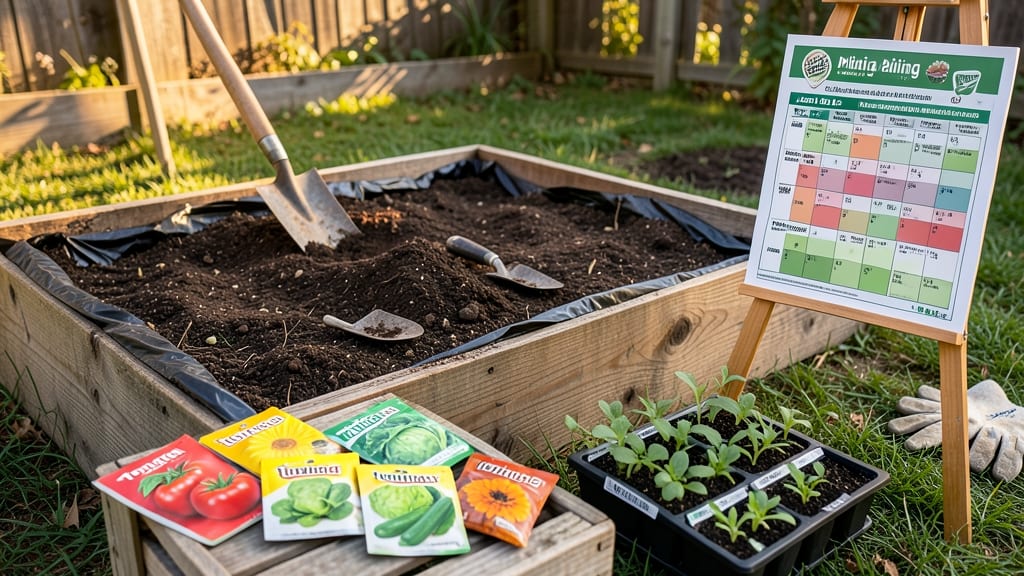
Planting a garden in Indiana at the right time means the difference between a lush harvest and a wasted season—and the last frost date is your best guide.
Indiana’s unpredictable spring weather can turn your gardening dreams into a gamble unless you know the exact last frost dates for each crop. Plant too early, and a late freeze could wipe out your hard work; too late, and you’ll miss peak harvests.
Most of Indiana falls in USDA Zones 5-6, where average last frost dates range from mid-April in the north to early April in the south. But regional microclimates—like urban heat islands or lake-effect zones—can shift those dates by weeks.
In this guide, I’ll break down the perfect planting windows for Indiana’s most popular vegetables, flowers, and perennials, plus pro tips to extend your growing season and avoid common mistakes.
Indiana last frost dates by region: critical planting windows
Indiana’s USDA Hardiness Zones 5a-6b create a diverse gardening climate, with Northern Indiana (like Gary) experiencing later frosts than Southern Indiana (like Louisville). Knowing your last average frost date is key to timing cool-season crops like lettuce and warm-season plants like tomatoes.
Here’s your region-specific guide to avoid frost damage while maximizing harvests.
For Northern Indiana (Zones 5a-5b), the last frost typically falls between April 20-30, while Central Indiana (Zone 6a) averages May 1-10. Southern Indiana (Zone 6b) enjoys earlier springs, with last frosts around April 10-20. These dates shift slightly yearly, so always monitor local forecasts and soil temperatures.
Cool-season crops like peas, spinach, and kale thrive when planted 4-6 weeks before your last frost. Warm-season crops such as beans, cucumbers, and peppers need soil temperatures above 60°F (15°C), usually 2-4 weeks after your last frost date. Use this table to pinpoint your region’s planting windows:
In Northern Indiana, where frosts linger longer, opt for cold-hardy varieties like Swiss chard or radishes for early spring. Central Indiana gardeners can experiment with direct-sown tomatoes around Mother’s Day (May 10), while Southern Indiana may start peppers indoors in March for earlier harvests.
Always harden off seedlings gradually to avoid shock.
For warm-season crops, wait until nighttime temperatures consistently stay above 50°F (10°C).
Test soil with a soil thermometer—tomatoes and peppers need 70°F (21°C) for optimal growth. Southern Indiana can push the envelope with early plantings of squash by April 15, but Northern Indiana should wait until May 10 to avoid frost damage.
Pro tip: Use row covers or cold frames to extend your cool-season growing window by 2-3 weeks. This lets you plant spinach or broccoli earlier in Northern Indiana or late-season kale in Southern Indiana for fall harvests. Just remove covers when daytime temps exceed 75°F (24°C) to prevent overheating.
First-time Indiana gardeners often make the mistake of planting warm-season crops too early.
If you’re itching to start, begin seeds indoors under grow lights 6-8 weeks before your last frost date. Peppers and eggplants take the longest to mature, so start them first in Central and Southern Indiana by March 15.
Don’t forget about fall planting! Indiana’s first frost dates range from October 15 (Southern) to October 30 (Northern). This gives you time for cool-season crops like carrots or garlic planted in September. Use black plastic mulch to warm soil for late-season tomatoes in Southern Indiana.
Always adjust for microclimates. Urban areas like Indianapolis can be 5°F warmer than rural zones, while low-lying areas (like near lakes) may frost later. Observe your yard’s patterns for 3 years to refine your planting schedule—your data will be more accurate than averages.
With these region-specific frost dates and planting windows, you’ll avoid the heartbreak of frost-nipped seedlings and enjoy peak harvests all season long. Happy planting! 🌱
Best crops to plant by Indiana season: from asparagus to zucchini
Indiana’s diverse climate means your planting schedule should shift with the seasons—cool-season crops thrive in early spring, while heat-lovers like zucchini and tomatoes demand summer warmth. Northern areas like Lake County (Zone 5b) often wait 2-3 weeks longer than southern zones (Zone 6b) to plant warm-season crops.
Timing is everything: asparagus crowns go in early spring, while basil seedlings need soil temperatures above 55°F.
For early spring (March-April), focus on hardy vegetables that tolerate light frosts. Peas, spinach, and kale are your best bets—they’ll survive 28°F temps and even improve with a light frost.
Meanwhile, perennial herbs like chives and thyme can be planted anytime in spring, as long as the ground isn’t frozen.
🌱 Numbered Highlights: Indiana Planting Timeline
- Early Spring (March-April): Plant asparagus crowns (Zone 5-6), onion sets, potatoes, and cool-season lettuce. Soil temps should reach 40-50°F.
- Late Spring (May): Transplant tomatoes, peppers, and cucumbers after last frost (avg. April 15-30). Wait until soil is 60°F+ for warm-season crops.
- Summer (June-August): Sow zucchini, beans, and corn. Succession plant basil every 2-3 weeks for continuous harvests.
- Fall (September-October): Plant garlic, spinach, and kale for late harvests. Avoid planting after October 15 in northern Indiana.
Summer (June-August) is prime time for warm-season powerhouses like sweet corn and squash. These crops demand consistent warmth and fertile soil—work in compost before planting to boost yields.
For high-altitude areas (e.g., Lake County), wait until May 15 or later to plant tomatoes, as late frosts are common. Southern Indiana gardeners can start 2 weeks earlier.
Don’t overlook fall planting—it’s your secret weapon for late harvests. Garlic and onions planted in October mature the following year, while spinach and radishes thrive in cool fall soil.
Aim to plant by September 15 in northern Indiana to avoid early frosts. Flowering herbs like borage and calendula also love fall’s cooler temps and add beauty to your garden.
For herbs and flowers, timing varies widely. Perennial herbs (e.g., rosemary, oregano) can be planted in early spring or fall, while annuals like basil need warm soil and full sun. Marigolds and nasturtiums are excellent fall-planted flowers that bloom until frost.
Always check seed packets for days to maturity—this tells you exactly when to start seeds indoors for a summer harvest.
🌿 Regional Adjustments: Northern Indiana’s Zone 5b areas (e.g., Gary) should wait until May 10 for warm-season crops, while Zone 6b (e.g., Louisville) can plant 2 weeks earlier. Use local frost date guides (like Purdue’s) and adjust for microclimates—south-facing slopes warm up faster than shady spots.