
Planting
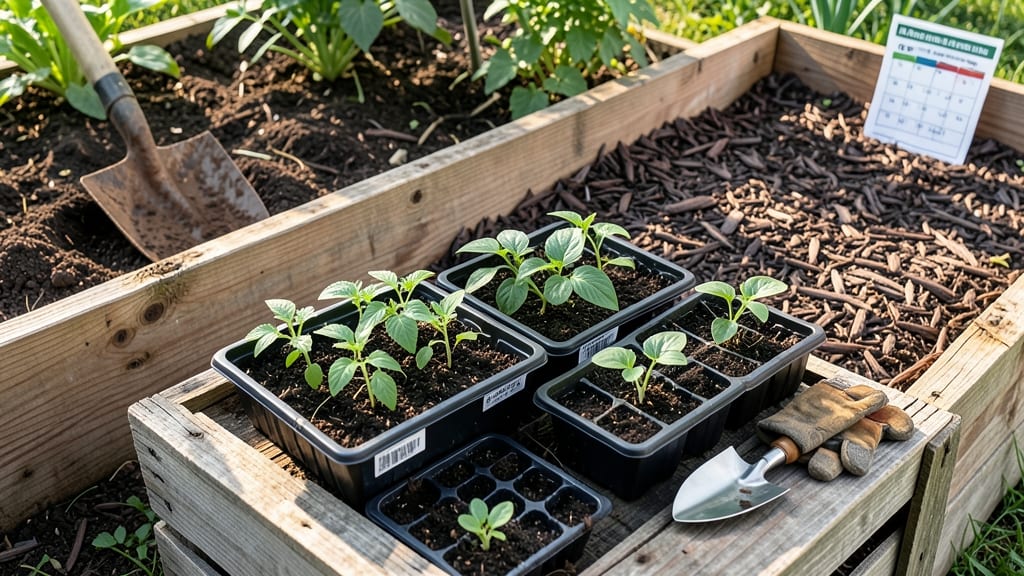
To plant a garden in Arkansas, timing is everything—cool-season crops like peas and lettuce need to go in by early March, while heat-lovers like okra and sweet potatoes wait until after May 15.
Arkansas gardeners know timing is everything—plant too early, and frost will strike; too late, and your harvest arrives when the heat peaks. But with Arkansas’ diverse microclimates (from the Delta’s humidity to the Ozarks’ cooler nights), the "right time" varies dramatically—even within 50 miles.
Whether you’re in USDA Zone 7a or 8b, the key is matching your crop to the 180-240 frost-free days your microclimate offers. Skip the guesswork: I’ll break down the exact windows for spring, summer, and fall planting, plus how Arkansas’s humidity and pests change the rules.
You’ll leave here with a customized planting calendar for your corner of Arkansas, from soil prep tips to the last-minute adjustments that save your garden when summer heat or fall rains throw a curveball.
Arkansas planting zones & microclimate deadlines by month
Arkansas spans USDA hardiness zones 6a to 7b, meaning your last frost dates can vary by 3-4 weeks from the Ozark Mountains to the Mississippi Delta.
In zone 6a (northwest Arkansas), expect your average last frost around March 20-30, while zone 7b (southeast Delta) typically sees frost-free soil by February 20. These differences mean cool-season crops like lettuce or peas can go in 6 weeks earlier in the Delta than the Ozarks.
Understanding these microclimate deadlines is critical—plant tomatoes or peppers too early in zone 6a, and a late April frost will kill them. Conversely, in the humid Delta, heat-loving crops like okra or sweet potatoes need to hit the ground by mid-April to avoid wilting before harvest.
I’ve broken down the key dates for each zone and microclimate below to help you align your planting with Arkansas’ unpredictable weather patterns.
🌱 Pro Tip: Use row covers or a cold frame in zone 6a to extend your spring planting window by 2-3 weeks for heat-sensitive crops.
In the Ozarks (zone 6a), I’ve learned to plant cool-season crops like spinach as early as mid-February under row covers, while in the Delta (zone 7b), I’ll have two full harvests of collards—one in spring and another in fall—thanks to the longer frost-free season.
The River Valleys offer a unique middle ground, where soil warms quickly in March, allowing early warm-season crops like cucumbers to thrive.
For heat-tolerant crops such as okra, sweet potatoes, or black-eyed peas, the Delta’s zone 7b gives you a 3-week head start over the Ozarks. I always plant these by mid-March in the Delta to avoid the oppressive July heat, which can stress plants.
In contrast, zone 6a gardeners should wait until mid-April to ensure soil temperatures stay above 60°F.
🌡️ Soil Temperature Matters: Use a soil thermometer—warm-season crops need soil at 60°F+ to germinate. In the Ozarks, this often means waiting until late April, while the Delta hits this mark by mid-March.
Fall planting in Arkansas follows a reverse timeline. In zone 6a, I’ll sow broccoli or kale by August 1 to harvest before the <
Best crops to plant in Arkansas by season (with exact timing)
Arkansas gardeners must align their planting schedule with the state’s humid subtropical climate, where last frost dates range from early March in the Ozarks to late March in the Delta. Cool-season crops like lettuce and peas thrive in spring, while heat-loving plants such as okra and sweet potatoes dominate summer.
Fall planting extends into October, but timing varies by Arkansas’ USDA zones 6a-8b.
For precise success, I’ve broken down the best crops by season, including soil prep tips and spacing guidelines tailored to Arkansas’ unique conditions. Whether you’re in the Delta’s heat or the Ozarks’ cooler nights, these deadlines ensure your garden thrives year-round.
Early Spring (Feb–March)
Plant onions, peas, and spinach 4–6 weeks before last frost (early March in Ozarks, late March in Delta). Amend soil with compost to improve drainage in heavy clay.
Late Spring (April–May)
Sow tomatoes, peppers, and cucumbers 2–3 weeks after last frost. Use mulch to retain moisture in Arkansas’ hot, dry spells.
Summer (June–July)
Direct-sow okra and sweet potatoes in June. Space okra 18–24 inches apart to prevent overcrowding in humid conditions.
Fall (August–October)
Plant broccoli and kale in August for fall harvests. Apply slow-release fertilizer to support late-season growth.
In Arkansas, soil prep is critical—especially in the Delta, where heavy clay can suffocate roots.
Before planting, till in 2–3 inches of compost and adjust pH to 6.0–6.8 for most vegetables. Spacing also varies: leafy greens like lettuce need 6–12 inches apart, while vining plants like cucumbers require 24–36 inches.
For herbs like basil and cilantro, sow in spring and fall to avoid bolting in summer heat. Flowers such as marigolds can be planted year-round in Arkansas’ milder zones (7a–8b), but prioritize late summer sowing for fall blooms.
Always monitor soil moisture—Arkansas’ humidity can lead to fungal diseases if plants sit too wet.
Pro tip: Use row covers for early spring crops to protect against late frosts, which are common in the Ozarks. In the Delta, drip irrigation reduces fungal risks from overhead watering. With these adjustments, your Arkansas garden will yield bountiful harvests across all seasons!