
Picking
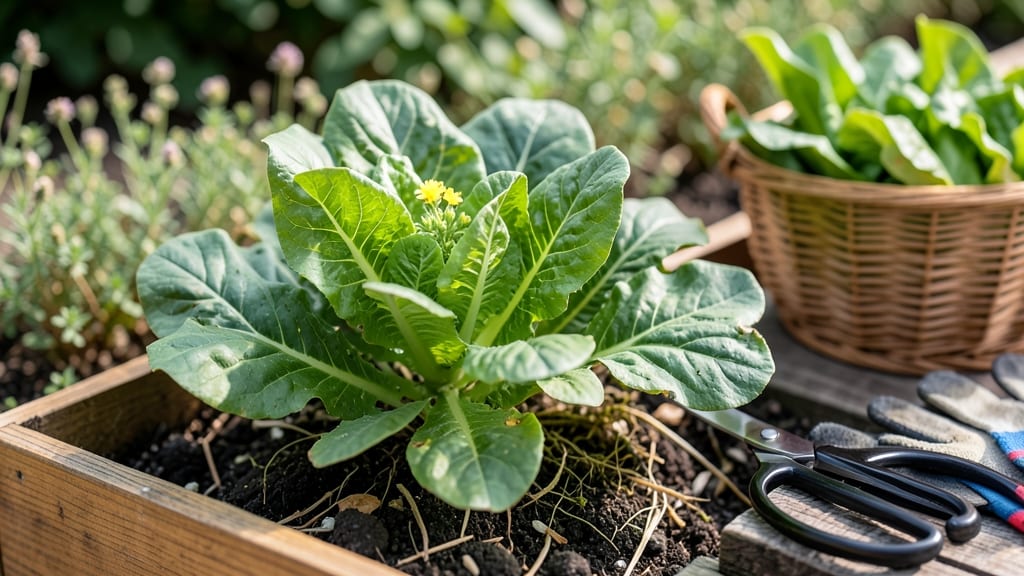
Picking lettuce from your garden at the right time means the difference between crisp, sweet 🥬 greens and bitter, tough disappointment.
If you’ve ever pulled a leaf only to wince at its sharp taste or watched your plants bolt into flower stalks, you know how quickly things go wrong.
The key isn’t just waiting for leaves to grow—it’s catching them at the perfect stage of maturity, when they’re still tender but fully sized.
In this guide, I’ll walk you through the exact leaf size and texture cues to harvest, plus how to avoid common mistakes like over-maturity or damaging regrowth. Whether you’re growing loose-leaf or head lettuce, these tips will help you time every pick for peak flavor and crispness.
You’ll also discover how to extend your harvest season and keep your plants producing longer, so you’re never left with sad, shriveled leaves in the heat of summer or the chill of fall.

How to determine lettuce leaf size for optimal harvest timing
Timing your lettuce harvest correctly transforms your garden into a crisp, flavorful salad source. Butterhead, romaine, and loose-leaf varieties all mature at different rates, so knowing their ideal leaf sizes prevents bitter, overgrown greens. The key? Monitoring both leaf dimensions and growth stage indicators before bolting occurs.
For loose-leaf varieties, you can harvest individual leaves as they reach 4-6 inches long. Butterhead and romaine, however, form heads and should be picked when their outer leaves hit 6-8 inches in diameter. Waiting too long risks tough, bitter flavors—while harvesting too early means smaller yields.
Here’s how to check maturity without overgrowth: examine the outer leaves first. If they’re fully unfurled but still tender, it’s time. For head lettuce, gently squeeze the head—if it feels firm and compact, it’s ready. Soft spots signal overwatering or overripeness.
🌱
| Variety | Ideal Leaf Size | Days to Maturity | Key Harvest Cues |
|---|---|---|---|
| Loose-Leaf | 4-6 inches long | 28-35 days | Outer leaves fully unfurled, tender |
| Butterhead | 6-8 inches diameter | 45-55 days | Head firm, outer leaves crisp |
| Romaine | 8-10 inches tall | 50-60 days | Long, upright leaves, no elongation |
| All Varieties | N/A | N/A | ⚠️ Stop harvesting if flower stalks appear (bolting) |
Climate plays a huge role in timing. In hotter months (June-August), lettuce bolts faster—harvest within 30-40 days to avoid bitterness. Conversely, cool-season varieties (like winter romaine) can take up to 60 days to reach harvest size. Always check the seed packet for variety-specific guidance.
Watch for visual signs of overgrowth: elongated stems, yellowing leaves, or a hollow core in head lettuce. These indicate the plant is shifting energy to flowering.
For loose-leaf types, you can often coax a second harvest by trimming leaves back to 2 inches from the base—just avoid cutting into the growing point.
Use a ruler or measuring tape for precision. Hold it alongside the longest outer leaf—if it’s within your target range, harvest immediately. For romaine, measure from the base of the stem to the tip of the longest leaf.
If it’s shorter than 8 inches, wait 2-3 more days.
Morning harvests yield the crispest lettuce because leaves are fully hydrated. Use a sharp knife or clean scissors to cut leaves at the base. For head lettuce, twist gently or cut the entire head 1 inch above the soil to encourage regrowth in loose-leaf types.
🌿
Pro Tip: If your lettuce tastes bitter, it’s a sign of stress—likely from heat or drought. Next time, provide afternoon shade in summer and keep soil consistently moist (but not soggy). Mulching with straw helps maintain even moisture levels.
For successive harvesting, plant new seeds every 2 weeks in spring and fall. This ensures a steady supply of fresh, tender lettuce all season long. With practice, you’ll develop an eye for the perfect harvest window—no more wasted greens or sad, bolted plants!
The crispness test: why texture matters more than you think
Lettuce texture is the secret weapon behind restaurant-quality salads. That perfect crisp snap isn't just about size—it's about cell structure and growing conditions. When leaves feel soft or rubbery, it's usually a sign you've missed the window or stressed the plant.
Most gardeners focus on leaf size when harvesting, but texture reveals more about maturity. A crisp leaf means optimal moisture balance and cool temperatures during growth. Once you master this test, you'll never settle for wilted greens again.
⚠️ Common Mistake: Overwatering Before Harvest
Too much water 48 hours before picking causes cell rupture, making leaves mushy. Always check soil moisture—it should be evenly damp, not soggy. For loose-leaf varieties, reduce watering 3 days before harvest to improve crispness.
Start by examining the outer leaves first—they're the most mature. Gently squeeze a leaf between your thumb and forefinger. A perfect leaf will hold its shape when released and make a light crunching sound.
If it collapses or feels spongy, the plant needs more time or better growing conditions.
Heat is the #1 enemy of crispness. When daytime temps exceed 80°F (27°C), lettuce bolts or develops leathery texture. Choose heat-tolerant varieties like Jericho or Black Seeded Simpson for summer harvests. Always harvest in early morning when leaves contain the most moisture and are coolest.
Environmental stress shows up fast. Drought stress makes leaves tough and bitter, while overcast days slow photosynthesis, leading to weak cell walls. For container-grown lettuce, use well-draining soil and shade cloth during peak afternoon sun to maintain that crisp texture.
Pro tip: Use a texture rating system. Score leaves 1-5 (1 = mushy, 5 = perfect crunch). Aim for 4 or 5 before harvesting. Keep a small notebook in your garden to track which varieties consistently deliver the best texture under your growing conditions.
Remember, cutting vs. pulling affects texture too. Always use clean scissors to snip leaves 1/4 inch above ground level. This prevents damaged cells that turn brown and soggy within hours. For head lettuce, cut the entire head cleanly at the base.