
Picking
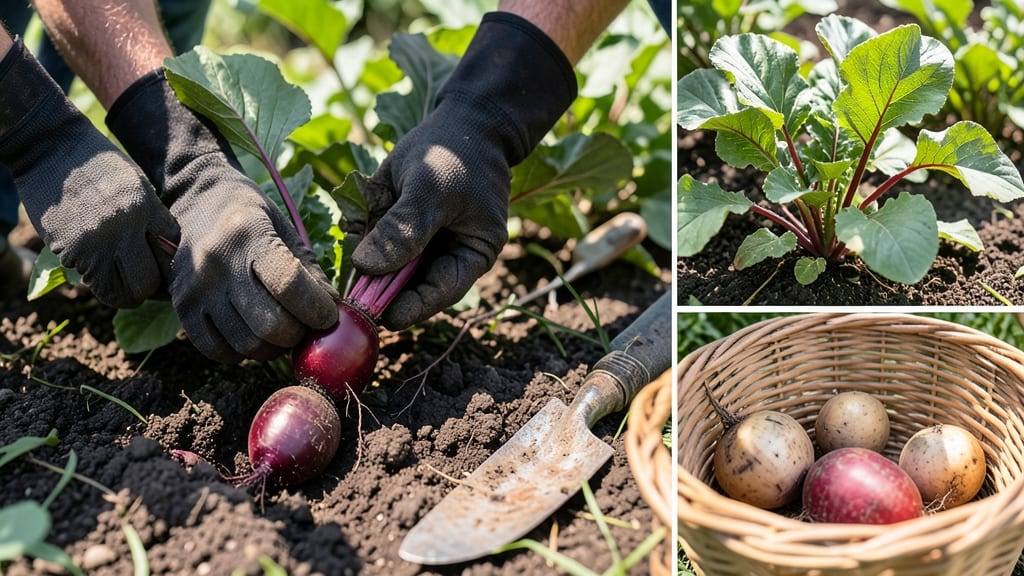
Picking beets from your garden at the right time means the difference between sweet, tender roots and tough, woody messes — and the secret is simpler than you think.
Picture this: you’ve waited weeks for your 🍠 to swell, but when you pull one, it’s small, pale, and lacks that deep, rich flavor you crave. Or worse, you dig too late and find a fibrous, bitter root that’s past its prime.
The good news? A few quick finger-pressure tests can tell you exactly when your beets are ready to harvest — no guesswork required.
Most gardeners assume beets are ready just because they’ve reached a certain size, but timing is everything. The ideal harvest window is when roots are 1-3 inches in diameter and the tops are a vibrant green.
That’s when their natural sweetness peaks, and the skin is smooth, not tough. Skip this window, and you’ll end up with beets that taste like overcooked potatoes.
In this guide, I’ll walk you through three foolproof tests to check beet readiness, plus tips on how to store them so they stay fresh and flavorful for weeks. Whether you’re growing baby beets or full-sized harvests, you’ll never second-guess the perfect moment to pull them again.

3 Finger-press tests to determine perfect beet harvest time
Knowing exactly when to pick beets from your garden can transform a meal from good to extraordinary. Unlike many vegetables, beets don't ripen after picking—they lose sweetness and develop woody textures if left too long. The solution? Three simple finger-pressure tests that reveal peak maturity without guesswork.
These tests focus on root firmness, pressure resistance, and visual cues that indicate ideal harvest timing. Whether you're growing baby beets or full-sized roots, these methods work for all varieties.
I've used them for years in my garden, and they've never failed to deliver sweet, tender beets every time.
Press gently on the shoulder of the beet (where root meets stem). If it gives slightly but doesn't dent, it's ready for baby beet harvest (1-2 inches wide).
Apply firm pressure with your thumb. If the beet resists indentation but isn't rock-hard, it's at peak maturity (2-3 inches wide). Over-ripe beets will feel wooden when pressed.
Dig around the base of the plant to expose 2-3 inches of root. Look for deep, consistent color (no green streaks) and smooth skin. Uneven color means it needs more time.
The skin firmness test is perfect for baby beets (like 'Baby Golden' or 'Detroit Dark Red'), which are harvested at 1-2 inches wide. These tiny beets pack maximum sweetness when picked early.
I often harvest them when they're about the size of a golf ball—just enough to enjoy their delicate flavor without the fibrous texture of larger roots.
For full-sized beets, the pressure resistance test becomes your best friend. Press firmly near the root's widest point. A mature beet should yield slightly under pressure but not feel mushy.
This indicates the ideal sugar concentration and texture. If you're growing heirloom varieties like 'Chioggia' or 'Bulls Blood,' this test ensures you capture their vibrant colors and rich flavors.
Don't overlook the root size and color check, which provides visual confirmation. Beets ready for harvest should have deep, even coloration with no green streaks (a sign of exposure). The skin should also be smooth and taut, not wrinkled.
I've found that beets with uneven color often develop bitter notes when cooked, so this check is non-negotiable for gourmet results.
Timing matters more than you might think. Beets harvested too early (like under 1 inch) will be watery and bland, while those left too long develop woody cores and lose sweetness.
The finger-pressure tests help you strike that perfect balance. Pro tip: Harvest on a cool morning after watering—this makes the roots easier to pull and preserves their freshness longer.
One common mistake I see is relying solely on leaf size to judge maturity. While tall, healthy greens indicate a thriving plant, they don't always correlate with root readiness. That's why combining leaf health with these pressure tests gives you the most accurate picture.
For example, your beet's leaves might be 10 inches tall, but the root could still need 2-3 more weeks to reach peak sweetness.
If you're growing beets for storage, aim to harvest them when they're slightly larger than ideal eating size (about 3 inches wide). These will keep best in the fridge for up to 2 weeks or can be cured and stored in a cool, dark place for months.
The same pressure tests apply—just let the roots grow a little bigger before pulling them from the soil.
Remember, beets are annual plants, so every harvest is an opportunity to enjoy their unique flavors. Whether you're growing them for fresh eating, roasting, or fermenting, these finger-pressure tests will help you consistently harvest at peak quality.
Once you master them, you'll never second-guess when to pick beets again!
🌱
How long beets take to mature and when to harvest for best flavor
Beets typically mature between 30 and 70 days, but their flavor peaks at different stages depending on whether you're growing baby beets or full-sized roots. Most varieties reach harvest readiness around 50-60 days after sowing, though cooler climates may extend this timeline by 10-15 days.
Understanding these timeframes helps you plan for continuous harvests throughout the growing season.
Climate plays a crucial role in beet sweetness. Cooler temperatures (60-70°F) enhance natural sugars, while hot, dry weather can make beets woody and bitter.
In my Zone 6a garden, I've found that planting in early spring or late summer yields the sweetest harvests, avoiding the peak summer heat that stresses these root vegetables.
Here's how to compare baby beets versus mature roots for optimal flavor timing:
For the best flavor, aim to harvest when beets reach 1.5-2.5 inches in diameter. This size delivers that perfect balance of sweetness and texture.
I've noticed that golden beets often mature slightly faster than their red or purple counterparts, sometimes by 5-7 days, so keep an eye on color development as a secondary indicator.
Seasonal timing matters too. In my experience, spring-planted beets (March-May) tend to develop sweeter flavors because they grow during cooler weather. For fall harvests (August-September planting), I focus on getting them in the ground 8-10 weeks before first frost to ensure full maturation before cold sets in.
Remember that continuous harvesting encourages more production. Once your beets reach maturity, pick the largest ones first to give remaining plants more space to grow. This method keeps your beet patch productive throughout the season while maintaining optimal flavor in each harvest.
🌱