
Picking
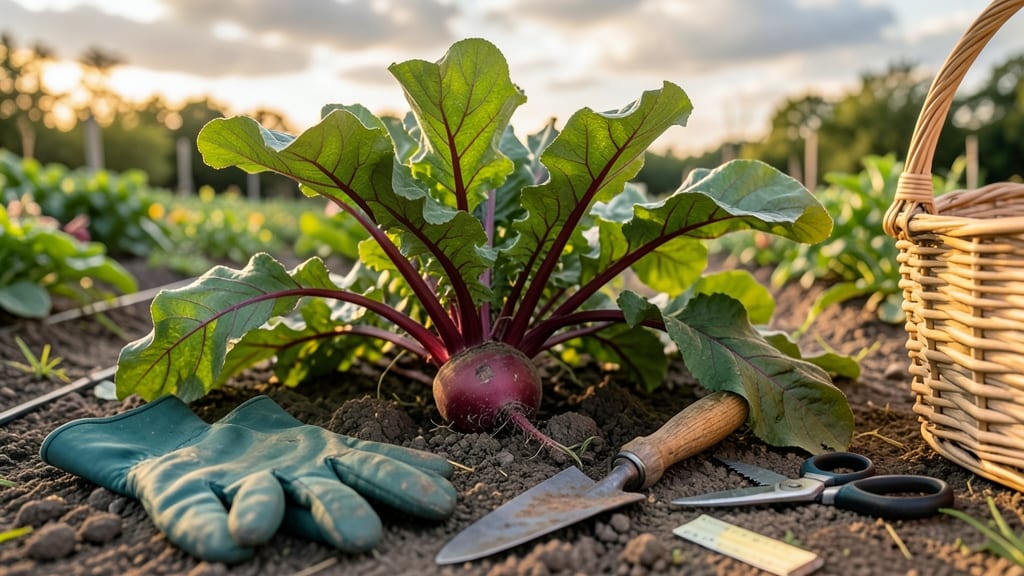
Picking beetroot from the garden at the right time ensures tender, sweet roots packed with flavor—miss it, and you’ll end up with tough, woody 🍠 that’s a far cry from the tender gems you crave.
Ever pulled a beetroot from the soil only to find it small, pale, or—worse—hard as a rock? Timing is everything, and a few simple checks can save you from that disappointment. The key lies in size, color, and texture, not just days after planting.
In this guide, I’ll walk you through the exact size and color cues to harvest beetroot at its peak, plus how seasonal shifts and soil conditions can throw off your timing.
Whether you’re growing baby beets or full-sized roots, you’ll learn when to pull them for the best taste—and how to avoid the most common mistakes.
From morning harvests to fall planting tricks, here’s everything you need to know to get the sweetest, most flavorful beetroot from your garden every season.

How to check beetroot size for perfect harvest timing
Beetroots are ready to harvest when they reach the perfect balance of size and tenderness. For most varieties, aim for roots between 1.5 to 3 inches in diameter. This range ensures a sweet, tender texture that’s ideal for roasting, pickling, or eating raw.
Smaller roots (1 inch or less) are perfect for baby beet harvests, while larger ones may develop a woody texture if left too long.
Your choice of beet variety plays a big role in determining the ideal harvest size.
For example, Detroit Dark Red beetroots are typically harvested at 2.5 to 3 inches for the best flavor, while Chioggia (the candy-striped variety) should be picked slightly smaller, around 1.5 to 2 inches, to preserve their delicate texture and vibrant colors.
Soil conditions can significantly affect how quickly beetroots grow and reach harvest size. Loose, well-draining soil with a pH of 6.0 to 7.0 promotes faster and more uniform growth. In contrast, dense or clay-heavy soil can slow root development, making it harder to achieve the ideal size.
Amending your soil with compost before planting can help create the perfect growing conditions.
Weather also impacts harvest timing. Cooler temperatures slow growth, so beetroots may take longer to reach maturity in spring or fall plantings compared to summer. Conversely, hot, dry weather can accelerate growth, so keep an eye on your plants and harvest sooner if they’re approaching the upper size limit.
To check the size of your beetroots without digging up every plant, gently brush back the soil around the base of the plant. Look for roots that are round and firm—these are ready for harvest.
If the soil is too hard to brush aside, use a small hand trowel to carefully expose the root. Avoid damaging the plant by digging too deeply or roughly.
If your beetroots are growing slower than expected, consider thinning the seedlings when they’re about 2 inches tall. This gives the remaining plants more space to develop larger roots. Thinning also reduces competition for nutrients, which can speed up growth.
Aim to leave about 3 to 4 inches between plants to ensure they have enough room to reach their ideal size.
Overcrowding is a common mistake that leads to smaller, underdeveloped beetroots. If you notice your plants are growing slowly or the roots are staying small, it’s likely because they’re competing for resources.
Adjust your spacing immediately to give them a better chance to reach harvest size. Regularly check the soil moisture—consistent watering is key to avoiding stunted growth.
For a continuous harvest, consider planting beet seeds in successive batches every 2 to 3 weeks. This way, you’ll always have some beetroots ready to pick at the perfect size.
Start with a small batch to practice timing, and adjust your planting schedule based on your local climate and growing conditions. Over time, you’ll develop a rhythm that ensures a steady supply of fresh, tender beetroots all season long.
Remember, the key to harvesting beetroots at the perfect size is regular monitoring. Make it a habit to check your plants every few days, especially as they approach the ideal harvest window.
The sooner you spot ready-to-harvest roots, the better their flavor and texture will be when you bring them to the table.
Beetroot color and texture: 3 signs your harvest is ready
Beetroot color isn't just about aesthetics—it’s your first clue to peak ripeness. A vibrant deep red or golden hue signals sweetness, while pale or uneven tones mean your roots need more time.
The skin texture is equally important: firm, smooth beetroot is perfect, but cracked or rough skin suggests overmaturity or stress.
Don’t judge a beetroot by its leaves alone. While healthy green foliage is a good sign, the real magic happens underground. Check for consistent color throughout the root and a slight resistance when gently pressed—this means it’s ready to harvest.
Overlooking these visual cues can turn your tender harvest into tough, woody roots.
- 1
- 2
- 3
If your beetroot looks pale, it might be nutrient-deficient or struggling with poor soil drainage. Amend your soil with compost and a balanced fertilizer to encourage richer colors next season.
For striped varieties like Chioggia, uneven stripes can happen if the soil is too dry—keep it consistently moist for even patterns.
Cracked beetroot is a common issue, often caused by uneven watering or rapid growth. Mulch around the base to retain moisture and prevent sudden drying.
If you spot cracks, harvest immediately—they won’t improve, but the edible part will still be tasty if the rest of the beetroot meets your color and firmness standards.
For the ultimate test, dig up one beetroot and slice it open. The flesh should be uniform in color, with no green streaks (a sign of bolting) or hollow centers (overmaturity). If it passes these tests, your garden is ready for a harvest feast!
Pro tip: Harvest on a cool morning after watering to make the roots easier to pull and preserve their sweetness. Store them in a dark, cool place for up to 2 weeks, or cook them fresh for the best flavor.