
Picking
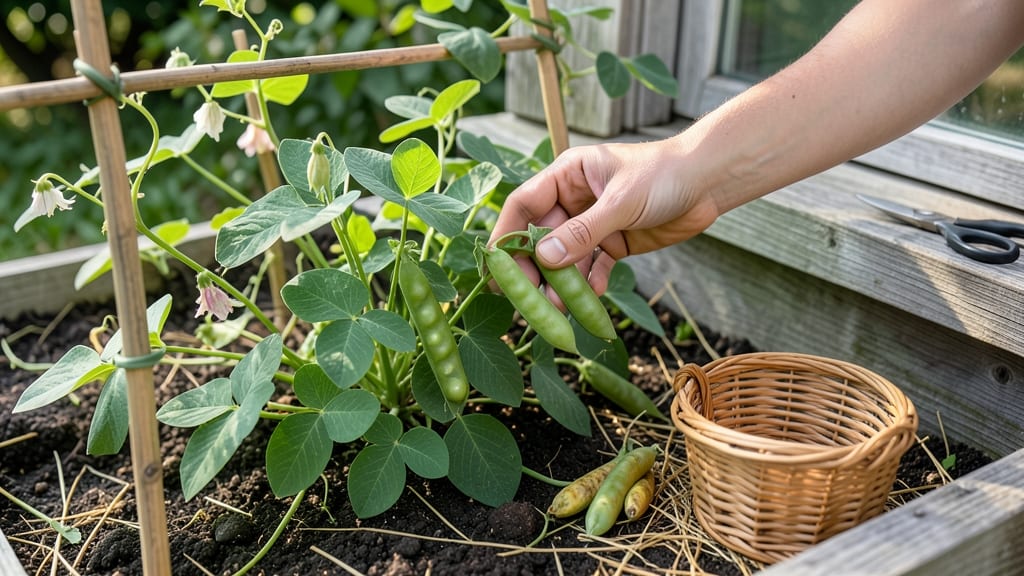
Harvesting garden peas at the right time means the difference between sweet, tender pods and tough, mealy ones—so timing is everything for flavor and yield.
Picture this: you’ve waited 60-70 days for your 🌱 garden peas to mature, only to pick them too late and end up with dry, wrinkled pods. Or worse, you harvest too early and miss out on that perfect snap and sweetness.
The good news? There’s a simple way to avoid this—just check for three key signs before you pick.
In this guide, I’ll walk you through the visual cues that tell you peas are ready, like pod size and shell color, plus how to test for sweetness without even tasting them.
We’ll also cover how often to harvest for continuous yield and the best time of day to pick—because even small details matter when it comes to your garden’s best crop.
Whether you’re growing early spring varieties or late-summer plants, these tips will ensure you never miss peak harvest again. Let’s get started!

3 Visual signs your garden peas are ready to harvest
Harvesting garden peas at the perfect moment transforms your labor into sweet, tender rewards. But timing is everything—wait too long, and you’ll end up with tough, mealy pods packed with oversized seeds.
The good news? Three simple visual checks will tell you exactly when to pick, ensuring peak flavor and maximum yield every time.
I’ve learned the hard way that ignoring these signs leads to wasted harvests. One year, I missed the window by just a few days, and my once-delicious sugar snap peas turned into woody, bitter pods.
Don’t let that happen to you—master these three foolproof indicators to harvest at the sweetest stage.
Why timing matters: Peas contain sugars that convert to starch as they mature. Harvesting too early means underdeveloped pods, while waiting too long sacrifices sweetness for toughness. The 30-day window between perfect ripeness and overmaturity is narrow—so pay attention to these visual cues.
- 1 Pod Size: Aim for 1-2 inches long and ½-inch wide. This is the sweet spot where peas are fully developed but still tender. Smaller pods (<1 inch) are underripe and lack flavor, while larger ones (>2.5 inches) become fibrous.
- 2 Shell Color: Bright, vibrant green pods signal readiness. Dull or yellowing shells mean the peas are past their prime. For sugar snap peas or snow peas, the flat pods should be uniformly green—never spotted or wrinkled.
- 3 Seed Visibility: The ultimate test—peas are ready when seeds inside are tiny and barely visible through the pod. If you can see distinct pea-sized seeds, you’ve waited too long. Overripe pods will have seeds pressing against the shell, making them tough and starchy.
Regional variations matter too. In cooler climates (like USDA Zone 5), peas mature faster—often in 60 days—while warmer zones (Zone 8+) may take 70-80 days. Always check your seed packet for variety-specific timelines, but never rely solely on days after planting. Visual cues are your best guide.
Harvesting at the right time also boosts your plant’s productivity. Removing ripe pods encourages the vine to produce more flowers and new pods. I’ve seen 30% more yield simply by picking consistently at the perfect stage. Plus, frequent harvesting reduces pests—overripe peas attract pea weevils and other critters.
Morning is the best time to harvest. Cooler temperatures preserve sweetness, and dew-damp pods are easier to spot against the foliage. Avoid harvesting after rain—wet pods bruise easily and may develop fungal spots.
Always use sharp pruning shears or your fingers to snap pods cleanly at the stem to prevent damage to the vine.
One mistake I see often? Harvesting every other day instead of daily. Peas mature quickly, and skipping a day can mean missing the sweet window entirely. Set a reminder or check your vines twice weekly during peak season.
For continuous harvests, plant successive crops every 2 weeks—this ensures fresh peas all season long.
Store freshly harvested peas in the fridge crisper for up to 5 days to maintain crispness. For longer storage, blanch and freeze them—this locks in flavor and texture.
But remember: Freshly picked peas taste best within 24 hours of harvest. There’s nothing like the sweet crunch of a pod you’ve just snipped from the vine!
How to test pea sweetness before harvesting (the taste check method)
Even when your garden peas look ready, their sweetness can vary—so I developed this simple taste test method to confirm ripeness. All you need is one pod and your taste buds. This technique works for sugar snap peas, snow peas, and traditional shelling peas alike.
Start by selecting a pod that meets the basic visual readiness signs (1-2 inches long, bright green, firm texture). Then, gently squeeze the pod—if it snaps easily, it’s a good candidate for testing. The key is to sample just a tiny piece to avoid overharvesting.
⚠️ WARNING: Common Mistakes That Ruin Flavor
Overripe Peas = Mealy Texture
If you wait too long, peas develop large seeds and starchy pods. The sweetness converts to starch, making them tough and bland. Test a pod—if the seeds are visible through the shell, harvest immediately or they’ll lose flavor within 24 hours.
Underripe Peas = Bitter Taste
Peas that are too small or pale often taste grassy or bitter. This happens when they haven’t fully developed their natural sugars. A quick taste test will reveal if the pod needs 2-3 more days on the vine.
Harvesting in Heat = Starchy Peas
Temperatures above 85°F (29°C) cause peas to convert sugars to starch faster. Always harvest in the morning hours when pods are coolest for the sweetest flavor.
To perform the taste test, pinch off a 1-inch section of the pod and pop it into your mouth. The ideal pea should be sweet with minimal bitterness, almost like a cross between a green bean and sugar snap.
If it tastes bland or mealy, the pod is overripe—harvest the rest immediately and compost the tested section.
For snow peas, aim for a crisp, slightly sweet flavor with no resistance when bitten. If the pod feels leathery or fibrous, it’s past its prime. Pro tip: Harvest snow peas in the evening when sugars peak after a full day of sunlight.
Remember, consistent harvesting keeps plants producing. Once you’ve confirmed sweetness with your taste test, pick every 2-3 days to encourage more pods. Store harvested peas in the fridge for up to 5 days—but eat them fresh for the best flavor!