
Shrubs
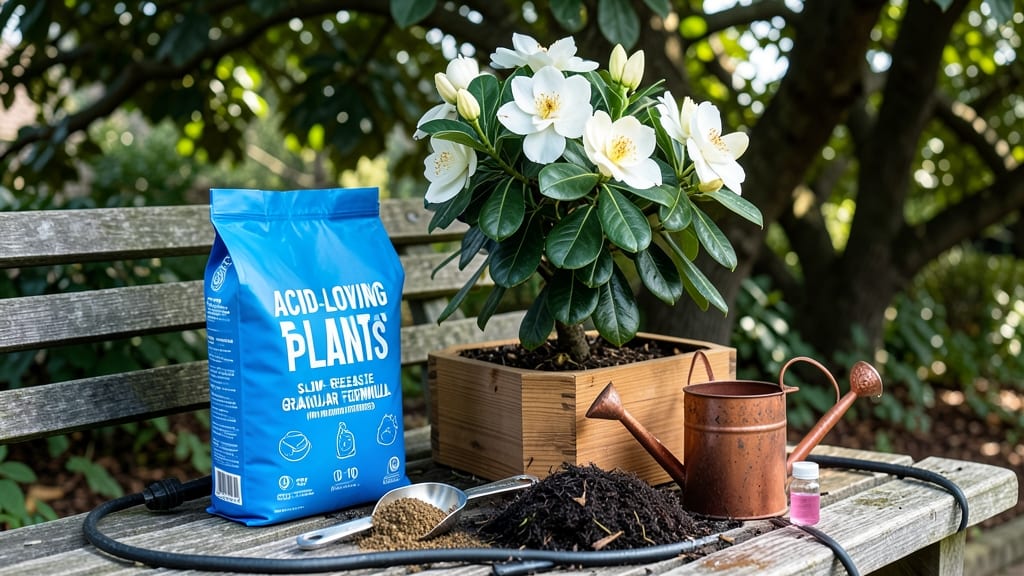
To fertilize gardenias at the right time means catching them in their spring growth spurt—when they’re hungry for nutrients but not yet stressed by heat.
Picture this: your gardenias are covered in glossy leaves and tiny buds, but the blooms never last. That’s a classic sign of missed feeding windows. The key is feeding just as the new growth appears in spring, then tapering off before summer’s peak heat.
You’ll want to skip fertilizing in winter entirely—your plant is resting, not growing—and avoid heavy feeding in summer, when the roots are already working hard to stay cool. Instead, think light and frequent during the growing season, with the right acidic formula to keep those blooms fragrant.
Below, I break down the exact schedule by season, the best fertilizer types, and how to spot when your gardenias are begging for a boost—or warning you to back off.
Optimal fertilizing schedule for gardenias based on bloom cycles
Timing your gardenia fertilization is like conducting an orchestra—get it wrong, and the music (or blooms) falls flat. These acid-loving shrubs thrive on precise feeding aligned with their natural bloom cycles, which peak in late spring to summer.
In USDA zones 7-11, gardenias enter dormancy in fall, making winter fertilization a no-go. Let’s break down the science-backed schedule to ensure your gardenias reward you with fragrant, abundant blooms year after year.
Gardenias need nutrient boosts during active growth, but overdoing it can cause leaf burn or stunted blooms. The key is feeding every 4-6 weeks from spring through early summer, then tapering off as temperatures rise.
In warmer climates (zones 9-11), you might extend feeding into early fall, but always stop 6-8 weeks before frost. Let’s dive into the seasonal breakdown tailored to your zone.
🌸 SUMMARY-TABLE: GARDENIA FERTILIZING SCHEDULE BY SEASON 🌸
| Season | Fertilizing Window | Frequency | Fertilizer Type | Zone Adjustments |
|---|---|---|---|---|
| Spring (March-May) | Early March (after last frost) | Every 4 weeks | Acid-based (6-6-6 NPK) | Zones 7-8: Start April 1; Zones 9-11: March 1 |
| Summer (June-August) | June-July (pre-bloom) | Every 6 weeks (light feed) | High-phosphorus (8-3-9 NPK) | Zones 9-11: Extend to August |
| Fall (September-November) | None (6-8 weeks pre-frost) | Skip | N/A | Zones 9-11: Light feed in Sept only |
| Winter (December-February) | Dormancy period | Skip | N/A | All zones: No feeding |
Spring is your first feeding window—start as soon as you see new growth after winter dormancy. Use a balanced acid fertilizer (6-6-6 NPK) to kickstart root and foliage development.
In USDA zone 7, this typically means fertilizing in early April, while gardeners in zone 11 can begin as early as mid-March. The goal is to align feeding with the plant’s natural pre-bloom energy surge, which happens 6-8 weeks before flowers appear.
Summer feeding shifts focus to phosphorus-rich fertilizers (like 8-3-9 NPK) to support bloom production. However, reduce frequency to every 6 weeks and avoid fertilizing during heatwaves (above 90°F), as this stresses the plant.
In humid climates (zones 8-11), opt for a slow-release granular fertilizer to prevent nutrient runoff during heavy rains. Always water thoroughly after applying fertilizer to prevent root burn.
Fall and winter are critical rest periods for gardenias. Stop fertilizing 6-8 weeks before your first frost date to allow the plant to harden off for dormancy. In mild-winter zones (9-11), you might give a light feed in September, but avoid anything beyond that.
Over-fertilizing in fall can lead to soft, late-season growth that won’t survive winter freezes, even in warmer climates.
Pro tip: Test your soil pH annually—gardenias thrive in acidic soil (5.0-6.0). If your soil is neutral or alkaline, amend it with sulfur or peat moss before fertilizing. A pH imbalance can lock out essential nutrients, even if you’re feeding on schedule.
Pair this with regular mulching (2-3 inches of pine bark) to maintain soil acidity and moisture levels.
For container-grown gardenias, halve the fertilizer dose since roots are confined and absorb nutrients faster. Always water before fertilizing to avoid salt buildup in the soil. If you’re using organic fertilizers, like cottonseed meal or fish emulsion, apply them every 8-10 weeks instead of the standard 4-6
Signs your gardenia needs fertilizer (and when to avoid it)
Your gardenia might be sending you signals through its leaves and blooms. Yellowing leaves or sparse blooms often mean it's hungry for nutrients. But watch out—over-fertilizing can cause just as many problems, like leaf burn or wilting branches. The key is balancing care with your plant's natural cycles.
Before grabbing that fertilizer, check for slow growth or pale foliage. These are classic signs your gardenia needs a nutrient boost. However, dark brown leaf edges or crispy tips usually mean you've overdone it.
Understanding these cues helps you avoid common mistakes, like fertilizing during dormancy or in extreme heat.
If your gardenia shows yellow leaves with green veins, it's likely suffering from iron deficiency. This is a common issue for acid-loving plants like gardenias. A quick fix is applying an iron supplement or using a fertilizer with high iron content.
But if the yellowing spreads to the entire leaf, it could signal overwatering or root rot—not nutrient deficiency.
Pay attention to your gardenia's bloom production. Fewer flowers than usual often mean it needs more phosphorus, a key nutrient for blooming. However, if buds form but drop off, it might be stressed from too much fertilizer or improper watering.
Always check soil moisture before fertilizing—dry soil needs water first, not nutrients.
One of the biggest mistakes gardeners make is fertilizing during dormancy. Gardenias go dormant in winter, and feeding them then can damage roots. Similarly, fertilizing in extreme heat (above 90°F) can cause leaf burn and stress. Instead, focus on watering deeply and mulching to protect roots during these times.
To troubleshoot, start with a soil test to check pH and nutrient levels. Gardenias thrive in acidic soil (pH 5.0-6.0). If the pH is off, amend the soil with sulfur or peat moss before fertilizing.
And remember, less is often more—half-strength fertilizer applied monthly is better than a heavy dose every few weeks.