
Planting
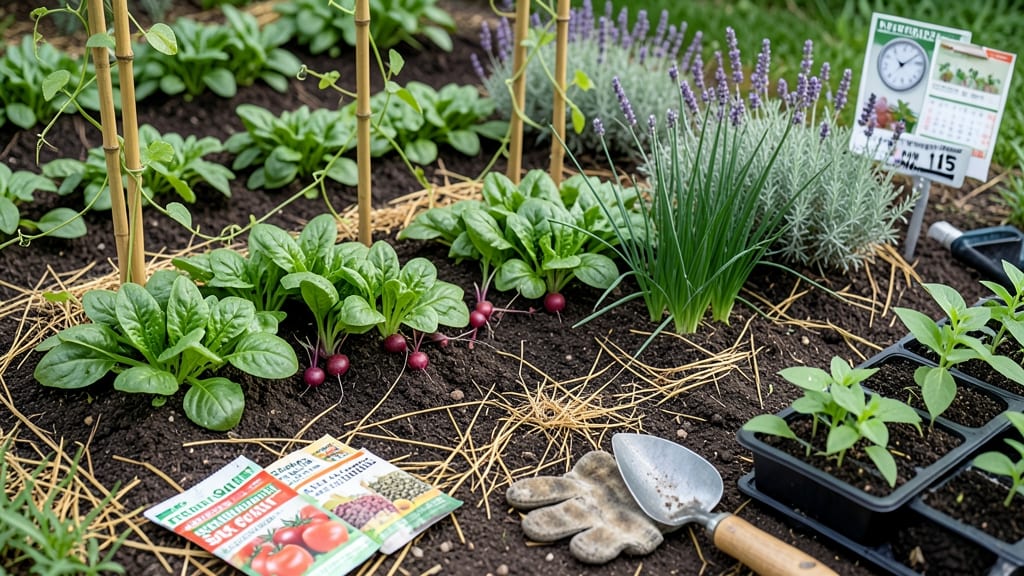
You should plant a garden in Michigan when soil temperatures hit 50°F and the last frost date has passed—typically mid-May for most of the state.
Michigan’s unpredictable Zone 5B climate means planting at the wrong time can turn your garden dreams into frost-killed disappointments—but timing your crops just right ensures a bountiful harvest.
Cool-season crops like peas and spinach can go in as early as March, while tomatoes and peppers need to wait until late May or early June. Fall planting for kale and garlic starts in July, but the window closes fast.
This guide breaks down frost dates, crop schedules, and season-extending tricks to help you avoid common mistakes and grow more—with less stress.
Michigan Zone 5B frost dates: last spring & first fall planting deadlines
Michigan’s Zone 5B climate creates a tight window for planting—just 147 frost-free days on average between May 15 and October 10. Missing these dates can mean lost crops, while planting too early risks frost damage.
Understanding these critical frost dates helps you align your garden with Michigan’s unpredictable weather patterns.
According to Michigan State University Extension data, the average last spring frost occurs around May 10, while the first fall frost typically arrives by October 15.
However, these dates vary by 5–7 days depending on your location—northern Michigan sees frost earlier than southern regions. Always check your local microclimate for accuracy.
A 10-year frost trend analysis shows Michigan’s frost dates have shifted slightly earlier in spring (2–3 days) and later in fall (3–5 days) due to climate change. This means your frost-free window is expanding, but you still need to plan carefully to avoid surprises.
Here’s your frost-date cheat sheet for Michigan’s Zone 5B, including adjustments for microclimates like urban heat islands, lakeside areas, and elevated gardens. Use this to time your planting for maximum success.
Your last spring frost date isn’t just about waiting for May 15—it’s about soil temperature. Test your soil with a thermometer; most vegetables need 50–60°F soil to thrive. Peas and spinach can handle cooler soil (40°F), while tomatoes and peppers need 60°F+ to germinate properly.
For fall planting, focus on cool-season crops like kale, carrots, and garlic after August 15. These plants tolerate light frosts and even sweeten up after a frost! Use black plastic mulch to warm soil in early spring or straw mulch to insulate in fall for extra protection.
Microclimates play a huge role in Michigan gardening. A south-facing slope might warm up 1–2 weeks earlier than a shaded backyard, while a lakeside garden can delay frost by 5–10 days due to water’s heat-retaining properties.
Observe your yard for 3–5 years to spot patterns—this is how pros adjust their planting schedules.
Pro tip: Use frost-sensitive plants like basil or cucumbers as natural frost indicators. If they survive overnight, your garden is likely safe for heat-loving crops. Pair this with a frost clock app (like FrostWatch) for real-time alerts.
Remember, Michigan’s frost dates shift yearly. If you’re new to gardening here, start with cold-hardy crops like potatoes, onions, and peas in early spring. These give you a buffer while you learn your local frost patterns. Over time, you’ll master the art of Michigan timing!
Best crops to plant by Michigan’s 3-Phase planting timeline
Michigan’s three-phase planting system lets you grow fresh produce year-round by matching crops to the climate’s natural rhythms. The key is understanding which plants thrive in cool spring soil, which need summer heat, and which can handle fall’s chill.
I’ve broken it down into three simple phases—each with frost-tolerant varieties and succession planting tricks to keep your harvests coming.
Phase 1 (March–April) is all about cool-season crops that love Michigan’s early spring. These hardy plants tolerate light frosts and even snow melt. Think leafy greens like spinach and kale, plus root vegetables such as carrots and radishes.
The secret? Start seeds indoors in late February or direct-sow as soon as soil reaches 40°F—usually by mid-April in most regions.
⚠️ NON-NEGOTIABLE: Use row covers for extra protection if late frosts linger. For example, peas and lettuce can handle 28°F with a light frost cloth, while broccoli needs at least 50°F soil to germinate. Timing is everything—plant too early, and seeds rot; too late, and you miss the window before summer heat sets in.
🌱 Michigan’s 3-Phase Planting Timeline
- Phase 1 (March–April): Cool-season crops like spinach, peas, and radishes. Start seeds indoors in late February or direct-sow when soil hits 40°F. Use row covers for frost protection.
- Phase 2 (May–June): Heat-loving plants such as tomatoes, peppers, and beans. Wait until after last frost (usually May 15) and soil is 60°F+. Transplant seedlings or sow directly.
- Phase 3 (July–August): Fall harvesters like kale, carrots, and garlic. Plant 8–10 weeks before first frost (early October) for a late-season bounty.
Phase 2 (May–June) shifts to heat-loving crops that need Michigan’s warmest months to thrive. This is when tomatoes, peppers, and cucumbers take center stage. The golden rule?
Wait until the soil temperature hits 60°F—usually mid-May—and the air stays above 55°F at night. For extra insurance, use black plastic mulch to warm the soil faster.
Don’t forget succession planting! For example, sow bush beans every 2 weeks from June to July to stretch your harvest. And if you’re growing squash or melons, choose compact varieties like ‘Eight Ball’ zucchini to save space and avoid shading out other plants.
Pro tip: Hardening off seedlings for 7–10 days before transplanting reduces shock and boosts survival rates.
Phase 3 (July–August) focuses on fall crops that mature quickly in cooler weather. Think kale, turnips, and garlic—these thrive when days shorten and nights cool down.
Plant 8–10 weeks before your first frost (typically early October) to ensure a harvest before winter sets in. For example, ‘Winterbor’ kale sweetenens after frost, making it a Michigan favorite!
Extend your harvests even further with interplanting. After pulling early radishes or lettuce, drop in bush beans or carrots to maximize space. And if you’re short on time, opt for fast-growing varieties like ‘Early Girl’ tomatoes (55 days to harvest) or ‘Cherry Belle’ radishes (25 days).
With this 3-phase strategy, you’ll enjoy fresh produce from spring to fall—no gaps!