
Blooming
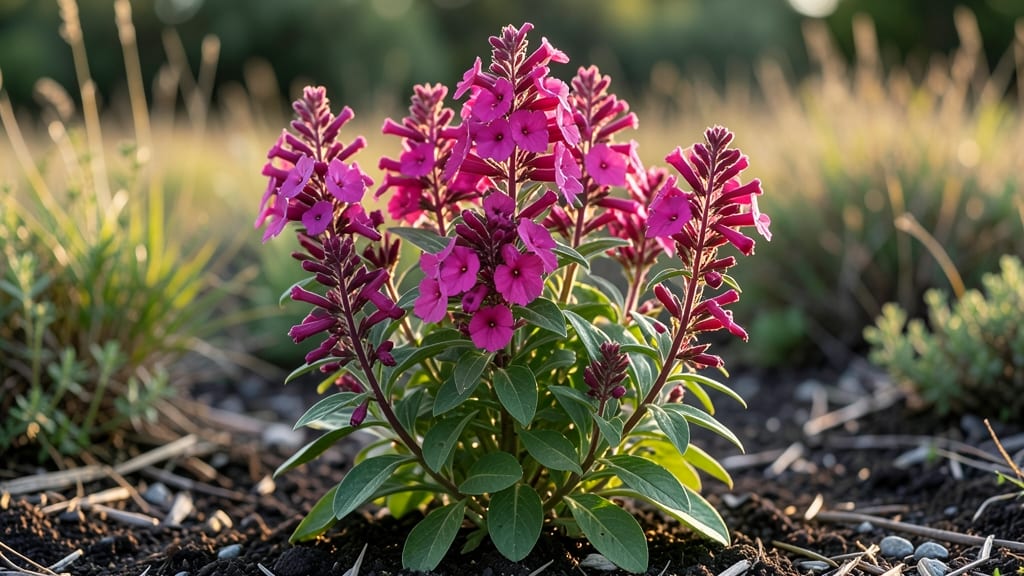
Garden phlox blooms in mid-to-late summer 🌸, transforming your yard into a fragrant haven for butterflies and hummingbirds—but if you’re not paying attention, you might miss their peak display entirely.
Picture this: June rolls around, and your neighbors’ phlox are already in full swing, while yours are still putting on leaves. That’s not just a missed show—it’s a chance to learn how climate, soil, and even the variety you planted can shift those bloom dates by weeks.
From tall garden phlox reaching 4 feet in USDA Zone 6a to dwarf varieties that stay compact, timing matters. The right care can even stretch that bloom season from July into September, giving you more color and fewer regrets.
Here’s how to pinpoint when your phlox will bloom, plus simple tricks to make sure they’re at their best when the season arrives—no guesswork required.
Garden phlox bloom timeline: months and stages by variety
Garden phlox transforms summer gardens with its clusters of fragrant blooms, but their timing varies dramatically depending on the variety and climate zone.
Whether you're growing tall garden phlox for dramatic height or dwarf varieties for borders, knowing when to expect those vibrant flowers helps you plan your garden's peak color moments.
Most phlox varieties bloom between mid-July and September, but some early bloomers start as early as June in warm climates. The key factors influencing timing are USDA hardiness zone, phlox type, and local microclimates.
For example, creeping phlox often begins blooming earlier than its taller cousins, while late-season varieties can extend color into early fall.
Here's a quick reference for the three main phlox types and their typical bloom windows across USDA zones 4-8. Use this as your guide to time your garden visits for the best show!
If you're in USDA zone 4 or 5, expect your tall garden phlox to begin blooming around late July, with peak color lasting through early September. The cooler temperatures in these zones naturally delay the blooming process by about 2-3 weeks compared to warmer climates.
I've found that planting early-blooming varieties like 'David' or 'Blue Paradise' helps extend the season in colder regions.
For gardeners in zones 6-7, the bloom window shifts earlier, often starting as early as early July for dwarf varieties. This is when my garden truly comes alive with butterflies and hummingbirds flocking to the nectar-rich flowers.
In these zones, you can even find late-season varieties that bloom into October, providing fall color when many other plants have faded.
In zones 8 and warmer, phlox often begins blooming as early as June, with some varieties continuing into November. The extended growing season allows for multiple bloom cycles if you practice good garden care.
I've seen creeping phlox in Southern California gardens bloom in March and again in fall, creating a near year-round display.
Don't forget that local microclimates can shift these timelines by 1-3 weeks. A sunny, sheltered spot may bloom 2 weeks earlier than a shady area. To maximize your phlox's potential, choose a location with at least 6 hours of sunlight and well-draining soil.
I always test my soil pH before planting—phlox thrives in slightly acidic to neutral soil (pH 6.0-7.0).
Pro tip: Plant early, mid, and late-season varieties together to create a continuous bloom display from June through October. For example, pair creeping phlox (early) with tall garden phlox (mid) and late-blooming varieties like 'Lipstick' or 'Sweet Fawn' (late).
This staggered approach ensures your garden stays vibrant all summer long!
Understanding these bloom timelines helps you plan your garden layout and maintenance schedule. For instance, knowing when phlox will bloom lets you schedule deadheading and fertilizing at the perfect times to extend the season.
I always add a light feeding of 10-10-10 fertilizer in early June to give my phlox a bloom boost.
Remember that phlox varieties can vary even within the same category. Always check the specific cultivar information when purchasing plants.
Some modern hybrids, like 'David' series or 'Omega' phlox, have been bred for extended bloom times and disease resistance, often pushing their bloom periods 1-2 weeks later than traditional varieties.
With this timeline in mind, you'll never miss the stunning spectacle of garden phlox in full bloom—just wait for those fragrant clusters to transform your garden into a butterfly magnet! 🌸
How to extend phlox blooming season with simple gardening hacks
Once you know when garden phlox bloom—typically from July through September—you’ll want to stretch that vibrant display for as long as possible. The secret lies in a few simple yet effective gardening hacks that encourage your phlox to keep producing those fragrant blooms.
With the right care, you can turn a 4-6 week bloom period into 8-10 weeks of continuous color.
Start with proper deadheading, the easiest way to signal your phlox to produce more flowers. When you remove spent blooms regularly, you’re not just keeping your garden tidy—you’re tricking the plant into thinking it’s still in its prime blooming phase.
Pair this with consistent soil care, and you’ll create the perfect conditions for extended flowering.
- Deadhead daily: Snip off spent blooms with clean pruners to prevent seed formation and encourage new growth. Aim for 2-3 times per week during peak bloom.
- Fertilize lightly: Use a balanced 10-10-10 fertilizer every 4-6 weeks during the growing season. Over-fertilizing leads to leafy growth over flowers.
- Water deeply: Provide 1-2 inches of water weekly, focusing on the soil base. Morning watering prevents fungal diseases and keeps blooms fresh.
- Mulch properly: Apply 2-3 inches of mulch around the base to retain moisture and regulate soil temperature. Use organic mulch like shredded bark.
- Choose companions: Plant lavender or catmint nearby to repel pests and attract pollinators, which boosts phlox flower production.
Don’t overlook the power of companion planting—strategic pairings can work wonders for your phlox. For example, lavender and bee balm not only enhance your garden’s visual appeal but also attract beneficial pollinators that help fertilize your phlox. These partnerships create a self-sustaining ecosystem where every plant supports the others.
Another pro tip is to prune lightly in early spring to remove any dead or diseased stems while leaving healthy growth intact. This stimulates new shoots and ensures your phlox enters the blooming season strong.
Combine this with regular but gentle pruning throughout the season to maintain shape and encourage continuous flowering.
Finally, keep an eye on watering consistency. Phlox thrives on moderate moisture, so aim for deep watering sessions rather than frequent shallow ones. This encourages strong root development, which translates to hardier plants that bloom longer.
Adjust your schedule based on your local climate—drought-prone areas may need more frequent watering.
With these simple yet powerful hacks, your garden phlox will reward you with longer, more abundant blooms all season long. The key is consistency—deadhead, fertilize, water, and mulch—and your phlox will thrive like never before. 🌸