
Tools
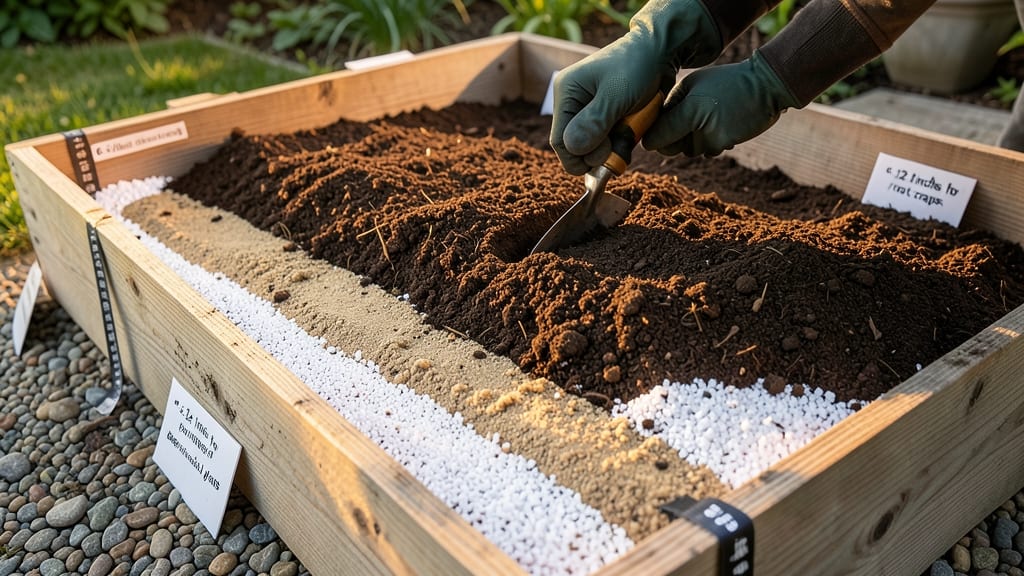
Getting the raised garden bed soil depth right is the difference between lush vegetables and stunted roots — and most gardeners get it wrong without even realizing it.
Picture this: you’ve spent hours building the perfect raised bed, only to watch your tomatoes struggle because the soil isn’t deep enough for their roots to spread. Or your carrots fork awkwardly because the layers aren’t balanced for drainage and nutrients.
The truth? Soil depth isn’t just about height—it’s about creating the ideal conditions for roots to thrive.
In this guide, I’ll break down the science behind optimal soil depth for different plants, from shallow-rooted herbs to deep-feeding vegetables like potatoes.
You’ll learn how to layer your bed for maximum aeration, which materials to avoid (and why), and how to fix common mistakes that sabotage growth before it starts.
Ready to turn your raised bed into a root-friendly paradise? Let’s dig in—literally.
Optimal raised garden bed soil depth by plant type: root zone requirements
Getting the soil depth right in your raised bed isn't just about fitting plants—it's about giving their roots the perfect environment to thrive. Shallow-rooted herbs like basil or parsley need only 6–12 inches of soil, while deep-rooted vegetables like tomatoes or asparagus demand 18–24 inches to reach their full potential.
Without the right depth, roots crowd, nutrients deplete faster, and plants struggle to establish strong anchors.
I’ve tested countless raised beds and found that most gardeners overlook the root zone requirements of their plants. For example, carrots and potatoes need 12–18 inches of loose, aerated soil to grow straight and plump.
Meanwhile, radishes or lettuce can thrive in just 6 inches of well-amended soil. The key is matching your bed’s depth to the plants you’re growing.
Here’s the science-backed breakdown of soil depth needs for common garden plants, so you can customize your raised bed layers for maximum success.
For shallow-rooted plants like lettuce or radishes, focus on the top 6–12 inches of soil. This layer should be rich in organic matter, like compost or aged manure, to support rapid growth.
I’ve seen baby greens bolt or turn bitter when their roots hit compacted or nutrient-poor layers, so prioritize fluffy, fertile soil here.
Deep-rooted plants, however, need 18–24 inches of soil to access moisture and nutrients deep underground. Tomatoes, for example, can send roots 3–4 feet deep if given the space. Without enough depth, they’ll struggle to support heavy fruit loads or develop strong stems.
I once grew heirloom tomatoes in a 12-inch-deep bed—the plants looked healthy but produced tiny, underripe fruits. Doubling the depth solved the problem overnight.
If you’re growing a mix of plants, consider zoning your raised bed. Place deep-rooted crops like asparagus or potatoes in one section and shallow-rooted herbs or greens in another. This way, you can tailor the soil depth to each plant’s needs without overcomplicating your bed’s design.
For example, a 4-foot-wide bed could have 18 inches of soil on one side for tomatoes and 12 inches on the other for lettuce.
Don’t forget to account for mulch and amendments. A 2-inch layer of mulch helps retain moisture and regulate soil temperature, but it doesn’t count toward your plant’s root depth.
When calculating soil depth, measure from the bottom of the bed to the top of the planting layer—this ensures roots have the space they need to spread without hitting the bed’s frame or compacted subsoil.
For perennials like asparagus, invest in a deeper bed or extend it over time. Asparagus crowns need 12–18 inches of soil to establish, but the roots will eventually spread 5–6 feet wide.
If your bed isn’t deep enough, you’ll end up with stunted spears or no harvest for years. I’ve seen gardeners dig trenches alongside their beds to give asparagus roots extra room—it’s a clever workaround for shallow beds.
Pro tip: If your bed isn’t deep enough for your plants, you can layer organic materials like straw, leaves, or grass clippings at the bottom to create a loose
Layering techniques for perfect raised bed soil depth: a step-by-step guide
Creating the perfect raised bed soil depth starts with understanding how to layer materials for optimal root growth. A well-structured bed ensures proper drainage, aeration, and nutrient retention, preventing common issues like root binding or waterlogging.
The key is balancing organic matter, amendments, and structural support to mimic natural soil ecosystems. Whether you're growing tomatoes or carrots, the right layers make all the difference.
Most raised beds should have a minimum soil depth of 12 inches, but deeper beds (18-24 inches) support deep-rooted plants like asparagus or potatoes. The secret lies in the layering order, starting with a drainage base and ending with nutrient-rich topsoil.
Skipping this step often leads to compacted soil or poor water retention, stunting plant growth. Let’s break it down into actionable steps to get your bed ready for planting.
Step-by-Step Raised Bed Soil Layering
- 1 Base Layer (4-6 inches): Start with cardboard or landscape fabric to block weeds, followed by coarse material like gravel or branches for drainage. This prevents water from pooling at the bottom, which can suffocate roots.
- 2 Structural Layer (2-4 inches): Add wood chips or straw to improve soil structure and prevent compaction. This layer also breaks down slowly, adding organic matter over time.
- 3 Compost Layer (4-6 inches): Mix in well-aged compost or manure to enrich the soil with nutrients. Aim for a 30-40% compost ratio to avoid overloading with nitrogen, which can burn plants.
- 4 Topsoil Layer (6-12 inches): Finish with high-quality topsoil mixed with perlite or coconut coir (10-20%) for aeration. This top layer should be loose and crumbly to encourage root penetration.
- 5 Final Amendment (Optional): For sandy soil, add peat moss; for clay soil, mix in vermiculite. Adjust based on your local soil type to improve texture and moisture retention.
One of the biggest mistakes gardeners make is skipping the drainage layer or using fresh compost that hasn’t broken down. Fresh compost can overheat and burn roots, while poor drainage leads to root rot.
Always use well-composted materials and avoid heavy clay soils at the bottom. For deep-rooted plants, extend the bed height to 18-24 inches by adding more layers of compost and topsoil.
After layering, fluff the soil gently with a garden fork to create air pockets and prevent compaction. This step mimics natural soil conditions, allowing roots to spread easily.
For heavy feeders like tomatoes or peppers, add a slow-release fertilizer to the topsoil layer before planting. This ensures nutrients are available as roots grow deeper.
Monitor your raised bed’s performance by checking soil moisture and plant health. If leaves yellow or growth stalls, it may signal nutrient deficiency or poor drainage.
Adjust by adding compost or improving aeration with perlite. With the right layers, your raised bed will become a nutrient-rich haven for plants of all types. 🌱