
Tools
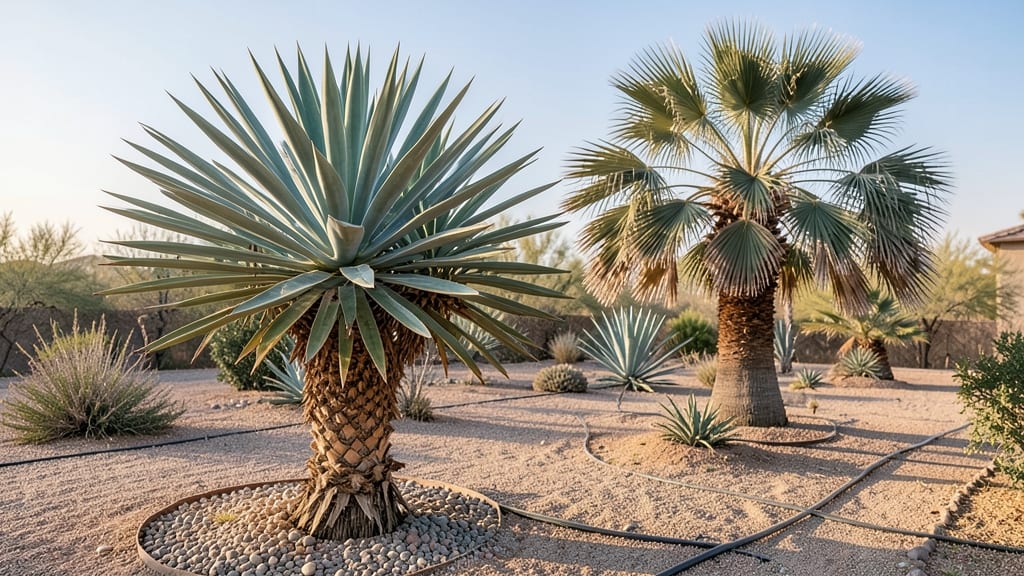
Moorten Botanical Garden in Palm Springs is a desert oasis featuring rare cacti, themed gardens like the Japanese Zen space, and Mediterranean courtyards, perfect for peaceful visits anytime but especially stunning in spring and fall.
This hidden gem transforms the harsh desert landscape into a lush, curated escape where every plant tells a story of survival and beauty. 🌵 What sets Moorten apart is its meticulous arrangement of native and adapted species—like the towering Joshua trees and delicate agave varieties—that thrive in the Sonoran and Mojave climate zones.
The garden’s themed sections, from the tranquil Zen space to the vibrant Mediterranean courtyard, create microhabitats that showcase how plants adapt to extreme conditions.
Beyond its botanical wonders, Moorten offers seasonal highlights that make each visit unique. Spring brings wildflower blooms in vibrant hues, while fall delivers rich foliage contrasts, and winter showcases succulent displays that glow under the desert sun.
For those planning a trip, I recommend checking their event calendar—guided tours and workshops often align with seasonal changes, giving you deeper insights into the garden’s ecological secrets.
💡 In This Article
- Exploring Moorten’s Unique Desert Plant Ecosystems
- Seasonal Planning for Visiting Moorten Botanical Garden
Exploring Moorten’s unique desert plant ecosystems
Moorten Botanical Garden thrives because it mirrors the natural climate zones of the surrounding desert—primarily the Sonoran and Mojave regions. These zones create distinct microhabitats where plants like the Joshua tree (Yucca brevifolia) and ocotillo (Fouquieria splendens) flourish.
The garden’s elevation of 1,300 feet above sea level and its carefully managed irrigation systems replicate these ecosystems, allowing species to grow in conditions that mimic their native environments. 🌵 The result?
A living laboratory where you can see how plants like the desert marigold (Baileya multiradiata) thrives in sandy soils with minimal water.
The garden’s agave collection is a standout, featuring over 50 varieties adapted to extreme heat and drought. Take the century plant (Agave americana), which stores water in its thick leaves to survive months without rain.
Its waxy coating reduces evaporation, a survival trick that’s visible even in the garden’s 100°F+ summer temperatures.
Nearby, the Mojave yucca (Yucca schidigera) showcases another adaptation: its deep roots tap into groundwater sources up to 15 feet below the surface, a feat that’s especially impressive when you consider the desert’s sparse rainfall.
What’s fascinating is how Moorten’s themed gardens—like the Japanese Zen space—incorporate these desert-adapted plants into tranquil settings. The Zen garden, for example, uses drought-resistant ice plant (Delosperma cooperi) and hen-and-chicks (Sempervivum spp.) to create a serene, low-maintenance oasis.
These plants not only survive with minimal water but also thrive in the garden’s alkaline soils (pH 7.5-8.5), which are typical of the Mojave Desert. The contrast between the Zen space’s calm vibe and the rugged desert plants highlights how biodiversity can coexist in harmony.
The garden’s Mediterranean courtyard offers another layer of ecological insight. Here, you’ll find plants like lavender (Lavandula spp.) and rosemary (Rosmarinus officinalis), which have evolved to thrive in hot, dry climates with well-drained soils.
These species are often used in xeriscaping (landscaping that reduces or eliminates irrigation), making them practical choices for home gardens in arid regions. Moorten’s ability to showcase these plants alongside native desert flora demonstrates how diverse ecosystems can inform sustainable gardening practices.
For visitors, the garden’s layout isn’t just aesthetically pleasing—it’s educational. Each section is labeled with details about the plants’ origins, water needs, and growth habits.
For instance, the saguaro cactus (Carnegiea gigantea) signs explain how these giants can live for over 150 years and store up to 200 gallons of water in their ribbed stems.
This kind of hands-on learning makes Moorten more than just a pretty garden; it’s a classroom for understanding how life persists in some of the harshest environments on Earth. 🌍