
Pests
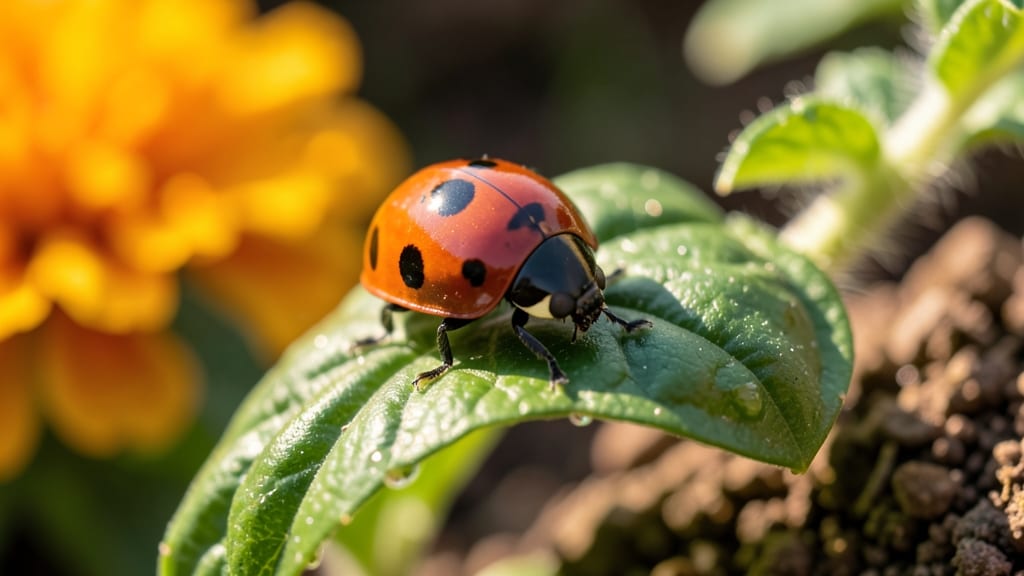
Mastering insects in garden identification is the first step to protecting your plants before damage spirals out of control.
Spotting those tiny creatures isn’t just about curiosity—it’s about acting fast. One wrong move could turn a thriving garden into a pest buffet, while missing the signs of helpful insects might leave your plants vulnerable to worse threats later.
This guide breaks down the key traits to look for, from body shape and color to the damage they leave behind. Whether it’s the telltale holes of a beetle or the sticky residue of sap-suckers, you’ll learn how to tell friend from foe in minutes.
By the end, you’ll know exactly when to intervene—and when to let nature handle the cleanup. No more guesswork, just smarter garden decisions.
Common garden insects identified by damage type: chewing vs. piercing vs. sap-sucking
Understanding how insects feed is the first step in protecting your garden. Chewing insects like beetles and caterpillars physically bite plant tissue, while piercing insects such as aphids insert their mouthparts to suck out fluids. Sap-sucking insects like whiteflies leave behind sticky residue that attracts mold and soot.
Knowing these differences helps you spot early signs of damage before it spreads.
Each type of insect leaves distinct clues on your plants. Chewing insects create irregular holes or notches on leaves and stems, while piercing insects often cause curling or yellowing leaves. Sap-suckers leave behind honeydew—a sticky substance that can smother leaves and promote fungal growth.
Recognizing these patterns helps you act quickly with targeted solutions.
Here’s a quick comparison to help you identify the culprit based on the damage type:
| Damage Type | Common Insects | Plant Symptoms | Physical Traits |
|---|---|---|---|
| Chewing | Japanese beetles, caterpillars, beetles | Irregular holes, skeletonized leaves, notched edges | Hard bodies, mandibles, visible chewing marks |
| Piercing | Aphids, leafhoppers, thrips | Curled leaves, yellowing, stunted growth | Soft bodies, tiny size, often clustered |
| Sap-Sucking | Whiteflies, scale insects, mealybugs | Sticky residue (honeydew), black sooty mold | Waxy coatings, tiny wings, often on undersides |
If you spot irregular holes in your leaves, you’re likely dealing with chewing insects. These pests, like Japanese beetles or tomato hornworms, target soft plant tissue. Look for ragged edges or skeletonized leaves—where only the leaf veins remain.
These insects are active during the day, so inspect your plants in the morning or late afternoon for signs.
For piercing insects, focus on the undersides of leaves where aphids and thrips hide. These pests inject toxins as they feed, causing leaves to curl or yellow.
You may also notice tiny black dots (frass) on leaf surfaces. Unlike chewers, they rarely kill plants outright but weaken them over time, making them vulnerable to disease.
Sap-sucking insects are sneaky because their damage isn’t always visible at first. Start by checking for sticky residue on leaves—a telltale sign of honeydew. Over time, this residue attracts sooty mold, a black fungal growth that blocks sunlight. Whiteflies and mealybugs often cluster on the undersides of leaves, so use a magnifying glass for a closer look.
Once you’ve identified the damage type, you can choose the right approach. Chewing insects often respond well to neem oil or physical barriers, like row covers.
For piercing insects, a strong spray of water can dislodge clusters, while sap-suckers may require insecticidal soap or introducing natural predators like ladybugs.
Don’t forget to monitor your garden regularly. Early detection is key to preventing small issues from becoming full-blown infestations. Keep a garden journal to track which insects appear seasonally and which plants they target. This way, you can stay one step ahead and protect your garden’s health year-round.
If you’re still unsure, snap a photo of the insect and damage for a second opinion. Many gardening forums or local extension offices can help with precise identification. The more you learn, the easier it becomes to distinguish between pests and beneficial insects—so your garden thrives without unnecessary interventions.
Visual identification guide: key features to spot 15+ common garden insects
Identifying garden insects starts with observing their unique physical traits. A quick glance at body shape, color patterns, and wing characteristics can reveal whether they’re beneficial or harmful.
For example, the Japanese beetle’s metallic green body is unmistakable, while the tomato hornworm’s white stripes signal a voracious caterpillar. Mastering these details helps you act fast—whether to remove pests or welcome pollinators.
Size matters too. Tiny aphids (1/16 inch) cluster on new growth, while earwigs (up to 1 inch) hide under mulch. Winged insects like ladybugs have smooth, rounded backs, whereas praying mantises sport triangular heads and folded forelegs.
Pay attention to antennae length and leg structure—long antennae often mean beneficial insects, while spiny legs can indicate pests.
Here’s a quick-reference summary-table of 15+ common garden insects, highlighting their key features for easy identification:
Focus on wing patterns to differentiate pests from pollinators. For instance, lacewings have delicate, veined wings, while whiteflies flutter erratically when disturbed. Use a hand lens to inspect tiny details like antennae segments or leg joints, which can reveal hidden clues about an insect’s diet and behavior.
Remember, color isn’t everything. Some beneficial insects, like ground beetles, mimic pests with their dark, shiny bodies. Always check for damage patterns on leaves—chewed edges suggest beetles, while sticky residue hints at sap-suckers like aphids. Keep this guide handy during your next garden walk