
Watering
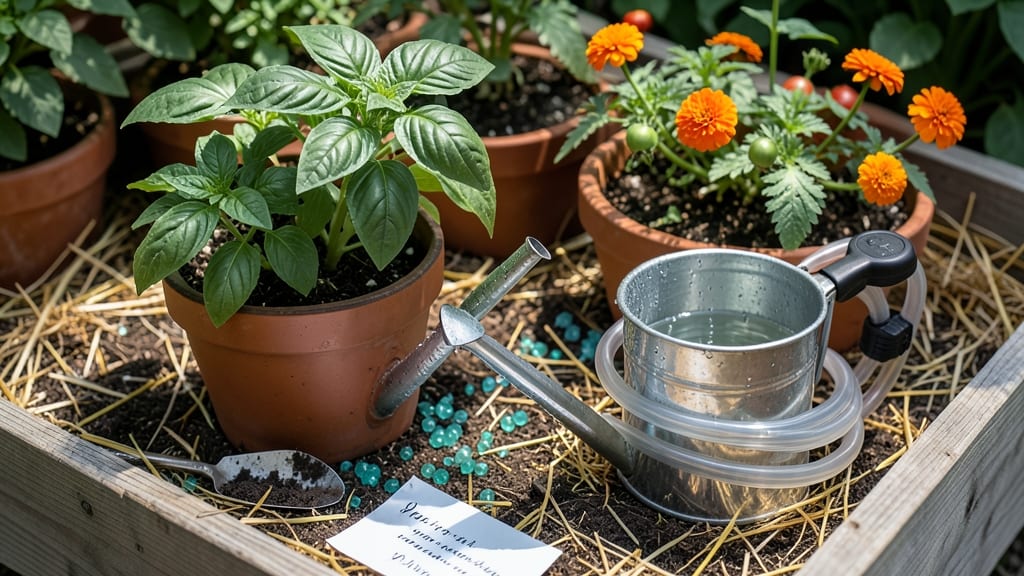
Watering your garden when you're away can be a game-changer for keeping your 🌱 General Garden Plants alive without the daily hassle.
Picture this: you return from a week-long trip to find your garden thriving, not wilting. The secret? Smart watering solutions that work while you do. Whether you're heading out for a weekend or a month-long vacation, the right setup ensures your plants stay hydrated without overdoing it.
From automated systems like drip irrigation to simple DIY tricks, there are plenty of ways to keep your garden happy. Each method has its own pros and cons—some are perfect for large plots, while others shine in small containers.
I’ll break down the best options so you can pick what works for your space and budget.
You’ll also discover how long different plants can survive without water, plus tips to extend their resilience before you leave. No more guessing—just stress-free gardening, even when you’re not home.
Best automatic watering systems for travelers: hands-free solutions
When you're planning a trip, the last thing you want to worry about is whether your herbs will wilt or your tomatoes will dry up. Automatic watering systems solve this problem by delivering consistent moisture without manual effort.
These systems range from simple drip irrigation setups to high-tech smart timers that adjust watering based on weather forecasts. The right choice depends on your garden size, plant types, and budget.
For container gardens or small plots, self-watering pots and wicking systems work wonders, while larger landscapes benefit from underground irrigation or soaker hoses. Each system has its own advantages—some are cost-effective, others offer precision control, and a few even connect to your phone for remote monitoring.
Let’s break down the top options so you can pick the best fit for your green space.
⚠️ NON-NEGOTIABLE: Always test your system for 24 hours before your trip to avoid overwatering or leaks.
| System Type | Best For | Pros | Cons | Cost (USD) |
|---|---|---|---|---|
| Drip Irrigation | Vegetable gardens, flower beds | Precise watering, low water waste, customizable | Requires setup, clogging risk | $50–$300 |
| Smart Timers | All garden types, tech-savvy users | Remote control, weather adjustments, energy-efficient | Higher upfront cost, needs Wi-Fi | $100–$500 |
| Self-Watering Pots | Herbs, succulents, containers | No setup, portable, great for travel | Limited capacity, not for large plants | $15–$100 |
| Soaker Hoses | Perennials, shrubs, large areas | Easy to install, covers wide areas | Less precise, can leak | $20–$150 |
| Wicking Beds | Vegetable beds, raised gardens | Passive watering, no pumps needed | High initial setup, limited to certain soils | $100–$400 |
For vegetable gardens, I recommend a drip irrigation system paired with a smart timer. This combo gives you precise control over watering schedules and adjusts automatically for rain or extreme heat.
For example, the Rain Bird smart controller connects to weather data, so your peppers and tomatoes get just the right amount of water—no guesswork involved.
If you’re dealing with container plants like basil or petunias, self-watering pots are a game-changer. These pots have a reservoir at the bottom that slowly releases moisture to the roots.
I’ve used them for trips up to 10 days without refilling, and my herbs stayed lush and green. Just be sure to fill the reservoir the night before you leave.
For large landscapes with perennials or shrubs, soaker hoses are a budget-friendly option. They’re simple to install and deliver water directly to the root zone, reducing evaporation.
Pair them with a mechanical timer for hands-free operation. Just remember to bury them slightly to protect them from sunlight, which can cause cracking.
One system often overlooked is the wicking bed. This passive method uses a wicking fabric to draw water from a reservoir to the plant roots. It’s perfect for raised beds and eliminates the need for pumps or electricity.
However, it requires a bit more upfront work to set up the fabric and reservoir layers. The payoff? Your carrots and lettuce stay hydrated for weeks with minimal effort.
Before you head out, always
DIY watering hacks for short trips: no system? No problem
Forget expensive systems—your weekend getaway doesn’t have to mean wilted plants when you return. With just a few household items and clever tricks, you can keep your balcony herbs or container garden hydrated for 3-5 days without breaking the bank.
These low-tech solutions work wonders for small spaces and budget-conscious gardeners.
I’ve tested these methods in my own urban container garden during trips, and they’ve saved my basil, tomatoes, and succulents from thirsty demise. The best part? No electricity or complex setups required. Let’s dive into the easiest, most effective ways to keep your plants happy while you’re away.
Poke holes in the cap of a 2-liter bottle, flip it upside down into the soil, and fill it with water. The slow drip keeps roots moist for 3-5 days. Perfect for herbs or small pots.
Place a cotton or microfiber mat under pots and soak it in water. The mat wicks moisture to the roots, extending hydration for 5-7 days. Ideal for balcony gardens or herb collections.
Mix hydrogel crystals (available at garden stores) into the soil before your trip. They absorb and release water over 7-10 days. Great for succulents or drought-tolerant plants.
Cluster high-thirst plants (like tomatoes) together and use one bottle trick for the whole group. This maximizes efficiency and reduces waste.
Apply a 2-inch layer of mulch (straw, wood chips) to the soil surface. It locks in moisture and can extend watering time by 2-3 extra days.
Before you leave, give your plants a deep watering in the morning to ensure the soil is fully saturated. For container plants, water until it drains from the bottom. This pre-trip hydration gives your DIY hacks the best chance to succeed.
Pro tip: If you’re away for longer than 5 days, combine two methods—for example, use a capillary mat with hydrogel for maximum coverage. My pepper plants have thrived for 7 days using this combo during my last trip to the mountains.
Don’t let vacation guilt ruin your garden’s potential. With these zero-cost or low-cost tricks, you can relax knowing your green babies are in good hands—no fancy gadgets required. Happy gardening (and traveling)! 🌱