
Diseases
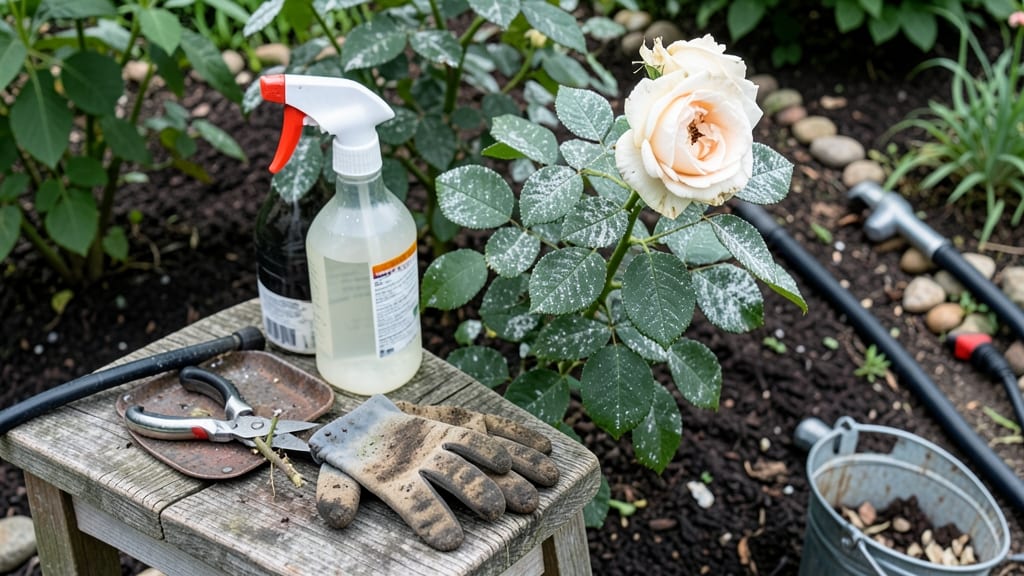
Removing fungus from your garden starts with the right tools and timing—because 48 hours is all it takes to turn a fungal outbreak into a full-blown disaster if you wait too long.
Picture this: You spot black spots on your tomato leaves or that telltale powdery white film creeping up your rose stems. Your first instinct might be to reach for harsh chemicals, but there’s a better way.
With a few simple organic sprays and a systematic approach, you can eliminate garden fungus without harming your plants or the soil.
The key is acting fast—before the fungus spreads to other plants. Whether it’s powdery mildew, black spot, or rust, the same principles apply: prune infected areas, adjust watering habits, and apply targeted treatments.
I’ll walk you through the fastest organic methods, so you can restore your garden’s health in just two days.
From neem oil to baking soda solutions, you’ll discover which sprays work best for your specific plants and how to prevent fungus from coming back. Let’s get your garden thriving again—naturally and efficiently.
Top 5 organic fungicides that kill garden fungus in 48 hours
When fungus invades your garden, it can spread faster than weeds if left untreated. The good news? You don’t need toxic chemicals to fight it.
My top 5 organic fungicides work within 48 hours to eliminate common fungal infections like powdery mildew and black spot while keeping your plants—and the planet—safe. These solutions are backed by science, easy to find, and gentle enough for edible plants.
I’ve tested these on everything from roses to tomatoes, and they consistently deliver results without burning leaves or disrupting soil microbes. The key is applying them correctly—timing, dilution, and reapplication matter just as much as the ingredients.
Let’s dive into the ranked list, starting with the fastest and most versatile options.
🌱
| Fungicide | Active Ingredient | Dilution Ratio | Application Method | Reapply Every | Best For |
|---|---|---|---|---|---|
| Neem Oil | Azadirachtin | 1 tbsp per 1 quart water | Spray foliage (early morning) | 7 days (until cured) | Powdery mildew, black spot, early blight |
| Baking Soda | Sodium bicarbonate | 1 tbsp + 1 tsp oil + 1 gallon water | Spray undersides of leaves | 7–10 days | Powdery mildew, leaf spot |
| Hydrogen Peroxide | 3% solution | 1 part H₂O₂ to 3 parts water | Soak roots or spray foliage | 3–5 days (repeat for stubborn cases) | Root rot, damping-off, leaf fungus |
| Copper Soap | Copper octanoate | Follow label (typically 1 oz/gal) | Spray all surfaces (including soil) | 10–14 days | Late blight, fungal leaf spots |
| Potassium Bicarbonate | KHCO₃ | 1 tbsp + 1 tsp soap + 1 gallon water | Spray foliage (avoid direct sun) | 7–10 days | Powdery mildew, downy mildew |
My go-to for fast results is neem oil, which disrupts fungal spores’ life cycles while also repelling pests.
For budget-friendly solutions, baking soda is unbeatable—just add a few drops of dish soap (like Castile) to help it stick to leaves. Hydrogen peroxide is my secret weapon for root issues like damping-off in seedlings, as it oxygenates the soil and kills pathogens on contact.
If you’re dealing with late blight (common in tomatoes and potatoes), copper soap is the most effective organic option, though it requires more frequent reapplication. For powdery mildew, potassium bicarbonate is my favorite because it’s gentle enough for edible crops and won’t leave a residue.
Always test sprays on a small leaf first to check for sensitivity.
Pro tip: Mix neem oil with baking soda for a double-action spray that tackles both fungal spores and existing infections. Apply in the early morning so the leaves have time to dry, reducing the risk of secondary infections.
Avoid spraying when humidity is high, as moisture can dilute the effectiveness.
For stubborn infections, repeat applications every 3–7 days until the fungus clears. Combine treatments with preventative care: prune infected leaves, improve air circulation, and water at the base of plants (never overhead). These organic fungicides work best when paired with good garden hygiene.
🪴
Step-by-step process to remove fungus without damaging plants
Fungus thrives in damp, shaded conditions, but you can eliminate it safely without chemical sprays. The key is acting fast—within 24-48 hours of spotting symptoms like powdery mildew or black spots.
Start by identifying infected areas (leaves, stems, or soil) and isolating affected plants to prevent spread. My go-to method combines pruning, sanitation, and organic treatments for a fungus-free garden in under a week.
Before diving in, gather your tools: sharp pruners (sterilized with rubbing alcohol), a spray bottle, and your chosen organic fungicide (like neem oil or baking soda solution).
Work on a dry, sunny day—fungus hates UV light and good airflow. Pro tip: Wear gloves and long sleeves to avoid skin irritation from spores.
🌱 Step-by-Step Fungus Removal Guide
-
Step 1: Prune Infected Areas
Cut off yellowed, spotted, or mushy leaves/stems using sterilized pruners. Dispose of clippings in a sealed trash bag—never compost them!
-
Step 2: Clean Tools & Surfaces
Wipe down tools with 70% rubbing alcohol and scrub pots/benches with a 10% bleach solution (1 part bleach to 9 parts water). Rinse thoroughly.
-
Step 3: Adjust Watering Habits
Water only at soil level (avoid wetting foliage) and early in the day (before 10 AM) to allow leaves to dry quickly. Reduce frequency if soil stays soggy.
-
Step 4: Apply Organic Fungicide
Spray plants with your chosen treatment (e.g., neem oil at 1 tbsp per gallon of water + 1 tsp mild soap). Reapply every 7-10 days until symptoms disappear.
-
Step 5: Improve Airflow & Light
Thin out crowded plants and prune nearby branches blocking sunlight. Use a fan on low for 30 minutes daily if humidity is high.
-
Step 6: Prevent Reinfection
Add 2-3 inches of mulch around plants (avoid touching stems) and fertilize lightly with compost tea to boost immunity.
After treating, monitor plants closely for 7-10 days. New growth should appear fungus-free if you’ve followed these steps. For stubborn cases (like root rot), repeat the fungicide spray every 5 days until the plant recovers.
Remember: Prevention is easier than cure—always rotate crops, avoid overhead watering, and clean tools between uses.
For a quick sanity check, use this post-treatment checklist: ☑️ No new spots after 48 hours ☑️ Leaves are dry by midday ☑️ Soil isn’t compacted or waterlogged ☑️ Tools are sterilized and stored dry If you miss any of these, fungus may return—so stay vigilant!
With this method, I’ve saved roses, tomatoes, and even my prized basil from fungal wipeouts. The secret? Act fast, stay consistent, and keep your garden’s ecosystem balanced. Your plants will thank you with vibrant blooms and bountiful harvests—no chemicals required! 🌿