
Planting
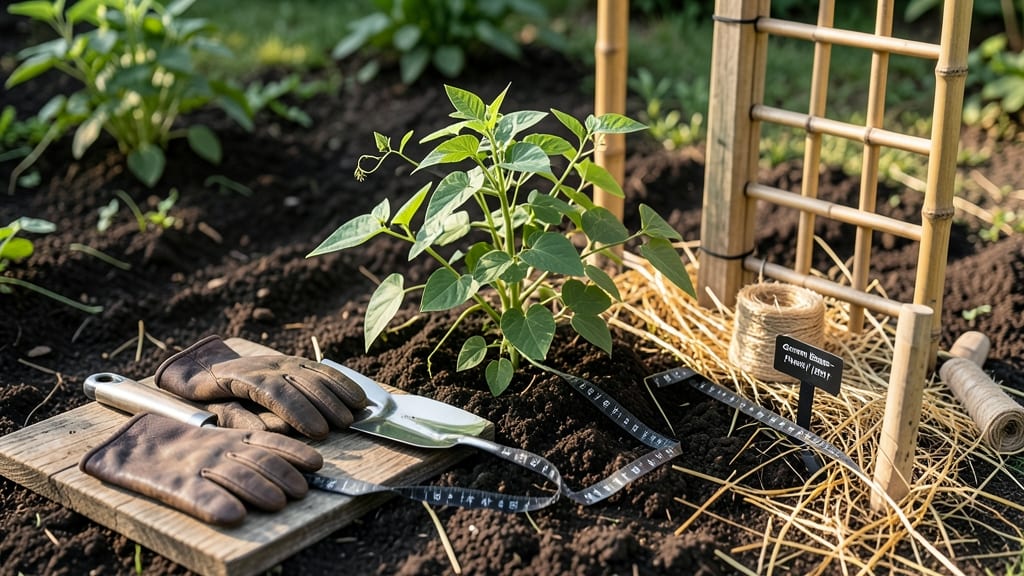
Planting green beans in your garden is the easiest way to grow fresh, flavorful pods right at home — and doing it right means the difference between a handful of beans and a bumper crop.
Picture this: warm spring soil, rows of tiny sprouts pushing through the earth, and by summer, a lush harvest of crisp, tender beans. But skip the spacing or depth rules, and you’ll end up with stunted plants or a jungle of tangled vines.
The good news? With the right technique, even beginners can master it.
Whether you’re growing bush beans that stay compact or pole varieties that climb, the key lies in soil prep, sunlight, and spacing.
I’ll walk you through every step — from choosing the perfect spot to planting seeds at the ideal depth — so you can avoid common mistakes and enjoy a garden full of homegrown goodness.
Ready to grow? By the end, you’ll know exactly how to plant green beans 🌱 for a harvest that’ll make your neighbors jealous — and how to keep them producing all summer long.

Perfect green bean planting guide: depth, spacing, and soil requirements
Green beans thrive when planted with precision—depth, spacing, and soil conditions directly impact your harvest. Whether you're growing bush beans (compact plants) or pole beans (climbing varieties), these factors ensure healthy growth and abundant pods. Let's break down the essentials for success in your garden.
First, soil preparation sets the foundation. Green beans prefer loamy, well-draining soil with a pH between 6.0 and 7.0. If your soil is heavy clay or sandy, amend it with 2-3 inches of compost or aged manure before planting.
This improves drainage and adds vital nutrients like nitrogen and phosphorus for early growth.
Organic matter ratios matter: Aim for 10-20% organic content in your planting bed. Mix in 1 cup of balanced fertilizer (5-10-10) per 10 feet of row at planting time. Avoid fresh manure, which can burn tender roots. For pole beans, add a trellis or sturdy stakes before planting to support their vines.
Now, let's talk planting depth. Sow seeds 1 inch deep in the soil. This depth ensures they have enough moisture to germinate while protecting them from drying out.
Use a seed spacing tool or your finger to create small holes—just deep enough to cover the seeds with soil and gently pat them down.
Spacing depends on your bean variety and growth habit. For bush beans, plant seeds 4-6 inches apart in rows 18-24 inches apart.
This gives plants room to spread without competing for nutrients. Pole beans, on the other hand, need 4-6 inches apart in rows 4-6 feet apart to accommodate their climbing needs and trellis support.
Here’s a quick summary table to visualize the key differences between bush and pole beans:
After planting, maintain consistent moisture by watering 1 inch per week, especially during dry spells. Mulch around plants with straw or grass clippings to retain moisture and suppress weeds. For pole beans, gently tie vines to the trellis as they grow to prevent breakage from wind or rain.
Adjust your soil pH if needed using lime to raise pH or sulfur to lower it. Test your soil with a home pH kit before planting. Green beans are sensitive to acidic soil (below 6.0), which can stunt growth.
If your soil is too alkaline (above 7.5), add peat moss to lower the pH gradually.
Finally, rotate crops to prevent soil-borne diseases.
Best green bean varieties for your garden and how to choose
Choosing the right green bean variety can transform your garden from a modest harvest to a bountiful feast. With bush beans offering quick yields and pole beans providing continuous production, the options feel overwhelming.
I’ll break down the best varieties for your climate, space, and growing goals so you can pick the perfect match.
Your garden’s space limitations and local growing season are key factors. For small spaces, compact bush varieties like Contender shine, while larger gardens can accommodate towering pole beans such as Kentucky Wonder. Let’s explore the top performers and how to select them wisely.
If you’re in a cooler climate (zones 3-6), prioritize early-maturing varieties like Contender or Blue Lake to avoid frost. For warmer zones (7-11), heat-tolerant pole beans such as Rattlesnake thrive and produce longer. Always check your last frost date—planting too early risks stunted growth.
For small-space gardens, bush beans are ideal—they grow in compact mounds and don’t require trellises. But if you have vertical space, pole beans like Kentucky Wonder can save room while yielding more over time. I recommend starting with 2-3 varieties to test what works best in your garden.
Don’t overlook disease resistance—look for varieties labeled rust-resistant or bean mosaic virus-resistant if your area has common pests. Provider beans, for example, are bred for durability, making them a smart choice for beginners or high-risk zones.
Pro tip: Mix bush and pole varieties to stagger harvests. Plant Contender first for early pods, then add Kentucky Wonder on a trellis for a continuous supply all summer long. Your garden—and your dinner table—will thank you! 🌱