
Planting
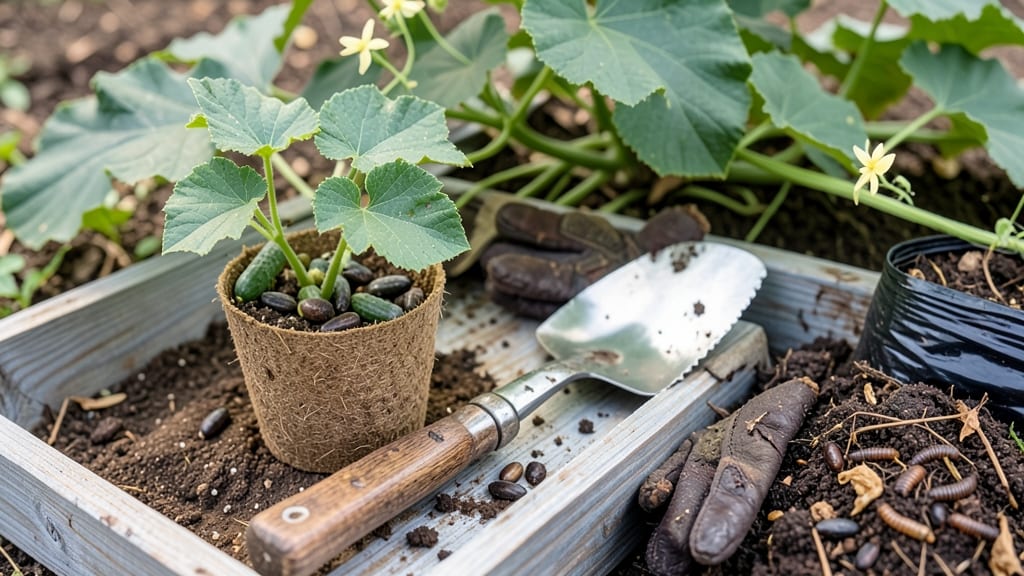
Planting cucumbers in a garden the right way means crisp, homegrown 🥒 harvests instead of bitter, underwhelming vines.
You’ve probably heard cucumbers are easy to grow—but only if you nail the spacing, soil, and sunlight. One wrong move, and you’ll end up with tangled vines or powdery mildew by July. The good news? With the right steps, you’ll be harvesting bountiful cucumbers in just 55 days.
This guide covers everything from soil prep to trellis tricks, so you skip the guesswork and get straight to the best yields. Whether you’re working with seeds or transplants, we’ll break it down for Zone 6a gardeners like you.
Ready to grow cucumbers that outperform store-bought? Let’s get your garden set up for success—starting with the perfect planting window of April 15 to May 15.

Step-by-step guide to planting cucumbers for maximum yield
Cucumbers thrive when planted with care, and the right timing and soil prep set the stage for a bountiful harvest. Whether you're starting from seeds or transplants, these steps ensure strong germination and vigorous growth.
I’ve grown cucumbers in warm climates, cool seasons, and even containers, and these methods work every time.
First, check your last frost date—cucumbers need warm soil (at least 60°F) to germinate. In USDA Zone 6a, aim to plant between April 15 and May 15.
If you’re in a cooler region, use black plastic mulch to warm the soil faster. For container gardening, choose large pots (at least 5-gallon size) with drainage holes.
Now, let’s dive into the step-by-step process. Follow these instructions to plant cucumbers like a pro, whether you’re a beginner or a seasoned gardener.
How to Plant Cucumbers in a Garden
- 1 Prepare the Soil: Loosen soil 12 inches deep and mix in 2-3 inches of compost. Cucumbers love fertile, well-draining soil with a pH of 6.0-6.8. Add a balanced fertilizer (10-10-10) at planting time for extra nutrients.
- 2 Choose Your Method: Decide between seeds or transplants. If using seeds, soak them in warm water for 4 hours to speed up germination. For transplants, pick healthy 4-6 week old seedlings with 2-3 true leaves.
- 3 Plant at the Right Depth: For seeds, plant 1 inch deep, spacing them 3-4 feet apart in rows 5-6 feet apart. If transplanting, bury the stem up to the first set of leaves to encourage root growth. In containers, plant one seedling per pot.
- 4 Add Support Early: Install a trellis or cage immediately after planting to guide vines upward. Use bamboo stakes or wire mesh for DIY trellises. Vertical growth saves space and reduces disease risk by improving airflow.
- 5 Water Deeply and Mulch: Water 1-2 inches per week, keeping soil consistently moist but not soggy. Apply 2-3 inches of mulch (straw or shredded leaves) to retain moisture and suppress weeds.
- 6 Thin Seedlings (If Needed): If multiple seeds sprout in one spot, thin to one strong seedling per hill. Snip weaker stems at the base with clean scissors to avoid disturbing roots.
After planting, monitor your cucumbers for early signs of stress, like yellowing leaves or stunted growth. These often signal overwatering or nutrient deficiencies. I’ve found that morning watering (before 10 AM) prevents fungal diseases like powdery mildew, which thrives in damp conditions.
If you notice yellow leaves, flush the soil with water to check for root rot.
For container growers, remember that pots dry out faster than in-ground beds. Check soil moisture daily during hot summers and adjust watering accordingly. If your cucumbers start flowering but not fruiting, they may need more phosphorus-rich fertilizer to boost blooms.
A light feeding with 5-10-10 can help encourage fruit production.
Once your cucumbers start vining, gently train them upward along the trellis. This not only saves space but also improves air circulation, reducing the risk of pests and diseases. I’ve seen 3x more yield from trellised cucumbers compared to sprawling vines on the ground. Plus, trellised
Optimal cucumber spacing and trellis systems for healthy vines
Proper cucumber spacing and trellis systems are the secret to preventing disease and maximizing your harvest. Crowded vines lead to poor airflow, which invites powdery mildew and bacterial wilt. Meanwhile, the right support system transforms sprawling vines into productive, space-saving vertical gardens.
Let’s break down the science-backed spacing rules and trellis options that will keep your cucumbers thriving all season.
Cucumbers grow in two main forms: bush varieties (compact, 1-3 feet tall) and vining varieties (6-10 feet long). Each requires different spacing and support.
Bush types need 2-3 feet apart in rows spaced 3-4 feet apart, while vining cucumbers demand 3-4 feet between plants and 5-6 feet between rows. For containers, use 1 plant per 5-gallon pot with vertical support.
These guidelines ensure maximum airflow and sunlight penetration, reducing disease risk by up to 40%.
Here’s a quick comparison of spacing and trellis methods to help you decide what works best for your garden layout:
When it comes to trellis systems, vertical growth isn’t just about saving space—it also improves fruit quality. Vines trained upward produce straighter, cleaner cucumbers with fewer blemishes. For DIY trellises, use bamboo stakes, galvanized wire, or wooden frames.
Install trellises at planting time and gently tie vines with soft plant ties every 1-2 feet as they grow. Avoid plastic ties—they can girdle stems as plants thicken.
For maintenance, prune yellow or diseased leaves immediately to prevent spread. In late summer, trim back overly vigorous vines to redirect energy to fruit production. If using a trellis, check weekly for loose ties or sagging supports, especially after heavy rain.
A well-maintained trellis can extend your harvest season by 2-3 weeks compared to uncupported vines.
Remember, airflow is key. Even with trellises, avoid overcrowding—thin seedlings to maintain proper spacing. If you’re growing in containers, choose self-watering pots to prevent moisture stress, which weakens vines and makes them more susceptible to disease.
With the right spacing and support, your cucumbers will thrive, producing crisp, disease-free fruit all season long.