
Tools
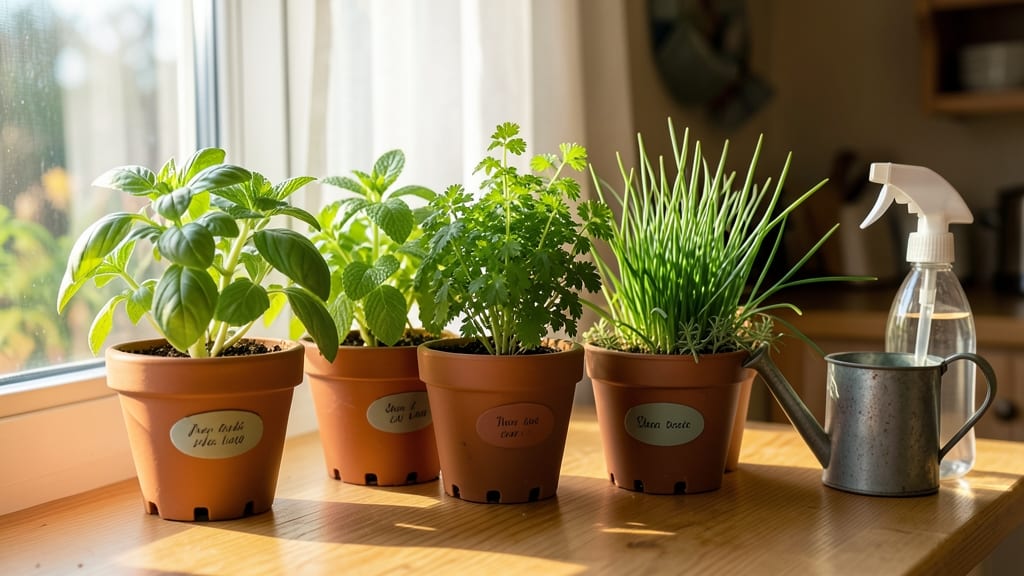
Having a garden in an apartment isn’t just possible—it’s easier than you think with the right setup and plant choices.
Picture this: fresh basil for your pasta, crisp lettuce for salads, or fragrant lavender for your windowsill, all grown in a space smaller than your coffee table.
The key isn’t having a yard—it’s working with what you’ve got, whether that’s a sunny balcony, a south-facing windowsill, or even a corner nook.
From vertical planters that turn walls into greenery to lightweight containers that fit on railing or shelves, we’ll show you how to maximize every inch. You’ll also discover which low-maintenance plants thrive in tight spaces and how to keep them happy with minimal effort—no green thumb required.
Ready to turn your apartment into a lush, productive oasis? Let’s dive into the space-saving solutions, plant picks, and lighting tricks that make urban gardening both practical and rewarding.
Best space-saving garden setups for small apartments
Living in an apartment doesn’t mean you have to give up gardening! With the right space-saving setups, you can grow fresh herbs, veggies, and flowers without sacrificing square footage. The key is maximizing vertical space and choosing containers that fit your layout.
Whether you have a tiny balcony or just a sunny windowsill, these solutions will help you create a productive garden in any apartment.
I’ve tested these setups in my own urban apartment, and they’ve transformed my living space into a lush, green haven. From vertical planters that hang on walls to stackable shelves for herbs, there’s a solution for every type of apartment dweller.
Let’s explore the best options to fit your space and lifestyle.
Space efficiency is the name of the game here. Each setup I’ll share maximizes growing area while keeping maintenance simple. For example, a 10-foot balcony can yield as much produce as a 50-square-foot backyard with the right techniques. Whether you’re growing food for your kitchen or just adding greenery for aesthetics, these setups deliver results.
My favorite setup is the vertical planter because it turns blank walls into a lush garden. I mounted a 3-tier pocket planter on my kitchen wall, where I grow basil, thyme, and parsley.
This system uses less than 2 square feet of floor space but yields enough herbs for all my cooking. The pockets are perfect for dwarf varieties, and the modular design lets me expand as needed.
For those with a balcony, railing planters are a game-changer. These long, narrow containers attach directly to your railing and can hold tomatoes, peppers, or trailing flowers. I’ve seen some creative DIY versions made from repurposed gutters or old wooden crates.
Just ensure your balcony can support the weight—most can handle 10–20 pounds per square foot.
If you’re working with limited natural light, windowsill containers are your best bet. South- or west-facing windows provide the most light, but even north-facing windows can work for low-light plants like mint or parsley.
I keep a 6-inch pot of chives on my north-facing sill, and it thrives with just 3–4 hours of indirect light per day.
Hanging baskets add a whimsical touch while maximizing vertical space. They’re ideal for trailing plants like nasturtiums or strawberries. Just ensure your basket has drainage holes and use a self-watering liner to prevent overwatering.
I hang mine from my ceiling near a bright window, and they’ve become a conversation starter with neighbors.
Finally, stackable shelves are perfect for small apartments with limited floor space. I use a 4-tier unit in my living room to grow herbs and succulents. The top shelves get the most light, while the bottom ones work well for shade-tolerant plants.
This setup keeps everything accessible and organized, and it’s easy to move if needed.
No matter which setup you choose, remember that container size matters. Roots need room to grow, so opt for pots that are at least 6 inches deep for most herbs and 12 inches deep for vegetables.
And always use pots with drainage holes to prevent root rot—a common issue in small-space gardening.
With these space-saving
Top 10 easy-care plants for apartment gardens
Apartment gardening doesn’t mean sacrificing fresh produce or beauty. These top 10 low-maintenance plants thrive in small spaces, offering herbs, greens, and flowers with minimal effort. Whether you have a sunny windowsill or a shady corner, these picks adapt effortlessly to containers and limited light.
I’ve tested them all in my own balcony and kitchen garden—here’s what works best!
Start with herbs like basil and parsley, which grow quickly and reward you with flavorful harvests in just weeks. For leafy greens, try lettuce or spinach in shallow trays, perfect for windowsills.
Even flowering plants like pansies or marigolds add color without demanding space. Each plant on this list balances hardiness, compact size, and productivity—ideal for busy urban gardeners.
🌱 Quick-Start Apartment Garden Plants
- Basil – 60-day harvest, needs 4+ hours sunlight, prune tops to encourage bushiness. Perfect for pesto or salads.
- Parsley – Slow-growing (90+ days), tolerates partial shade, chop leaves as needed. Great for garnishes and soups.
- Lettuce (Leaf Varieties) – 30–45 days, thrives in cool weather, harvest outer leaves to prolong growth. Ideal for salads and sandwiches.
- Spinach – 40–50 days, prefers cool temps, grows well in 6-inch pots. Rich in nutrients for smoothies or sautéing.
- Pansies – Flowering in 6–8 weeks, blooms year-round indoors, needs 4+ hours light. Adds color to balconies and tolerates light frosts.
- Marigolds – Deter pests naturally, blooms in 7–10 weeks, thrives in full sun. Perfect for hanging baskets or window boxes.
- Chives – Perennial herb, regrows after cutting, needs 3+ hours light. Chop and use in eggs, soups, or garnishes.
- Mint – Fast-growing, spreads easily, needs morning sun. Harvest leaves for tea or cocktails—keep in contained pots!
- Snap Peas – 60–70 days, grows on trellises or stakes, needs 6+ hours light. Harvest pods for crunchy snacks.
- Succulents (e.g., Jade or Haworthia) – Zero-maintenance, needs bright indirect light, stores water in leaves. Adds modern decor to shelves.
Pro Tip: Rotate pots weekly for even light exposure and use self-watering containers to reduce maintenance.
For herbs like basil and mint, I recommend 6-inch pots with drainage holes to prevent root rot. These plants love well-draining soil and benefit from a weekly misting to keep humidity high.
If your apartment lacks natural light, supplement with a LED grow light for 12–14 hours daily—this works wonders for leafy greens and herbs.
When choosing containers, prioritize portability. Use hanging planters for trailing herbs like thyme or stackable shelves for vertical growth. My balcony setup includes a mix of terracotta pots and fabric grow bags, which wick moisture away from roots. Avoid glazed containers—they trap excess moisture, risking root diseases.
Harvesting is where the magic happens! For herbs like basil, pinch off the top sets of leaves to encourage bushier growth. With leafy greens, harvest outer leaves first, leaving the inner rosette to regrow.
This method ensures a continuous supply without overwhelming your small space. I harvest mine every 2–3 days during peak growth seasons.
Don’t overlook the power of companion planting in small spaces. Pair basil with tomatoes (even in containers!) to repel pests, or place marigolds near herbs to deter aphids.
Even in an apartment, these natural partnerships boost yields and reduce the need for pesticides. My windowsill garden thrives with this simple trick!
With these 10 easy-care plants, your apartment garden will flourish year-round. Start small, experiment with light conditions, and enjoy the rewards of homegrown goodness without the backyard. Happy planting! 🌿