
How To
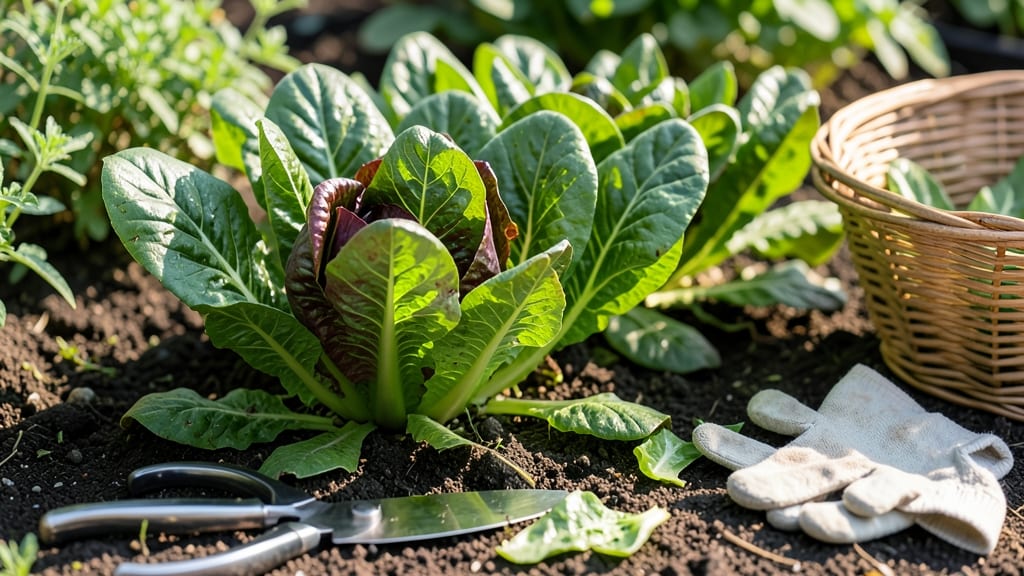
Harvesting romaine lettuce from your garden at the right time turns your 🥬 crop into crisp, flavorful greens that outshine store-bought—if you know the secrets.
Picture this: You’ve nurtured your romaine for weeks, only to cut it too early and end up with bitter, underdeveloped leaves. Or worse, you wait too long, and the whole head bolts into a sad, flowery mess.
The difference between restaurant-quality lettuce and disappointment often comes down to timing and technique.
In this guide, I’ll walk you through the exact leaf size, maturity cues, and harvest methods that keep your romaine crisp, your plant happy, and your kitchen stocked with fresh greens for weeks. No more guesswork, just proven steps to make the most of your garden’s bounty.
You’ll also discover how to store your harvest so it stays fresh longer than grocery store lettuce—and even how to encourage your romaine to regrow for a second harvest. Ready to turn your garden into a never-ending salad bar?

When to harvest romaine lettuce for maximum crispness and flavor
Timing your romaine lettuce harvest is the difference between restaurant-quality crispness and sad, wilted greens. Most varieties reach peak flavor between 60-80 days after sowing, but leaf size and seasonal factors play bigger roles than you might think.
Harvesting too early means underdeveloped flavor, while waiting too long turns your lettuce bitter or fibrous. The key? Watch for 6-8 inch leaves with vibrant color and firm stems.
Seasonal timing matters just as much as days-to-maturity. In spring and fall—the ideal seasons for romaine—cooler temperatures slow bolting (flowering) and allow for sweeter, more tender leaves. Summer heat can rush maturity, making your lettuce bolt prematurely.
If you're growing in USDA Zone 6 or warmer, aim for early spring or late summer plantings to avoid heat stress during critical growth stages.
Here’s what to look for when checking your romaine’s readiness:
One of the biggest mistakes gardeners make is harvesting the entire romaine head at once. Instead, use the "cut-and-come-again" method: Snip the outer leaves first, leaving the inner core intact.
This encourages regrowth and extends your harvest window by 2-4 weeks. Just avoid cutting more than ⅓ of the plant in a single session, or you’ll stunt future growth.
If your romaine starts tasting bitter, it’s a clear sign you’ve waited too long. Bitterness develops as the plant matures and begins bolting—its natural defense mechanism against overgrowth. To prevent this, provide partial shade during hot afternoons and keep soil consistently moist.
Mulching with straw can help regulate soil temperature and moisture, giving you more control over the harvest window.
For continuous harvests, succession planting is your best friend. Sow new seeds every 2-3 weeks during the growing season. This staggered approach ensures you always have fresh romaine ready to harvest while older plants mature.
In cooler climates, you can even extend harvests into early fall by planting a final batch in late summer.
Pro tip: Store harvested romaine in the crispest way possible by wrapping it loosely in a damp paper towel and placing it in a perforated plastic bag. This mimics the humidity it thrives in while allowing airflow to prevent rot.
When stored properly, your homegrown romaine can stay fresh for 1-2 weeks—far longer than store-bought varieties.
Remember, the goal is crispness and flavor, not size. A slightly smaller head with perfect texture beats a large, tough, or bitter one every time. Pay attention to your plants, and they’ll reward you with the freshest, most delicious romaine your garden—and your salad—has ever seen.
Step-by-step guide to harvesting romaine lettuce without damaging future growth
Harvesting romaine lettuce at the right time and using the correct technique can mean the difference between a crisp, flavorful salad and a sad, wilted mess. The key is to preserve the plant’s ability to regrow while harvesting leaves or heads efficiently.
With the right approach, you can enjoy continuous harvests for weeks instead of just one big cut.
Romaine lettuce is a cut-and-come-again crop, meaning you can harvest outer leaves first and let the inner leaves continue growing. This method ensures you get multiple harvests per plant without sacrificing future yields.
Below, I’ll walk you through the exact steps to harvest romaine lettuce while keeping your plants happy and productive.
How to Harvest Romaine Lettuce from Garden
- Step 1: Choose the Right Time
Harvest romaine when the outer leaves reach 6-8 inches in length. Check for deep green color and crisp texture—these are signs of peak flavor. Avoid harvesting if leaves are small, pale, or bitter. - Step 2: Gather Your Tools
Use a sharp pair of scissors or a clean kitchen knife to make precise cuts. A glove is optional but helpful if your soil is rough or you prefer hygiene. - Step 3: Start with Outer Leaves
Gently grasp the outermost leaves and cut them 1-2 inches above the base. This encourages regrowth from the inner leaves while keeping the plant healthy. - Step 4: Avoid Over-Harvesting
Never remove more than ⅓ of the plant at once. Over-harvesting stresses the romaine and can lead to bolting (flowering), which ruins flavor and texture. - Step 5: Harvest the Whole Head (Optional)
If you prefer a single harvest, cut the entire head 1 inch above the soil using a sharp knife. This method is best for late-season harvests when regrowth is unlikely. - Step 6: Post-Harvest Care
After harvesting, water the plant deeply to replenish moisture lost during cutting. Apply a light mulch around the base to retain soil moisture and prevent weeds. - Step 7: Monitor for Regrowth
Within 1-2 weeks, new leaves should emerge from the center. If the plant bolts or wilts, it’s time to replace it with a new crop.
One of the biggest mistakes I see gardeners make is harvesting romaine lettuce too aggressively or at the wrong time. Over-cutting can shock the plant, while harvesting too late leads to bitter, tough leaves.
Always prioritize gentle harvesting and consistent care to keep your romaine producing fresh greens all season.
For the best results, harvest romaine lettuce in the early morning when leaves are cool and crisp. This timing ensures you get the freshest flavor and reduces stress on the plant.
Store harvested leaves in the refrigerator in a paper towel-lined container to maintain crispness for up to a week.
With these techniques, you’ll enjoy homegrown romaine lettuce for salads, wraps, or sandwiches all season long—without sacrificing future harvests. Happy gardening! 🥬