
Light Requirements
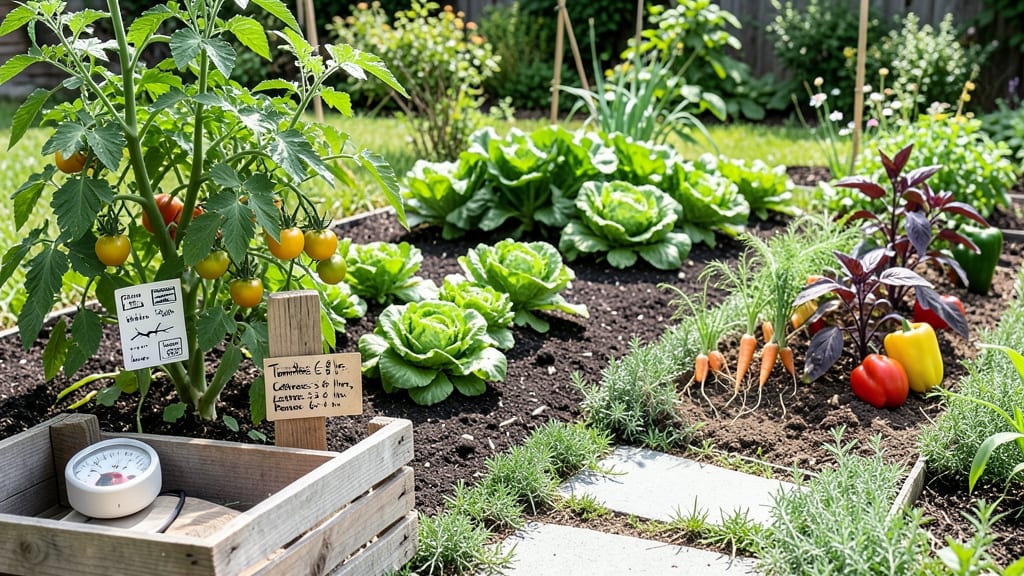
A vegetable garden needs 6 to 8 hours of sunlight daily 🥕 to produce strong, healthy crops—and missing this mark can leave you with bitter greens or no tomatoes at all.
Struggling to decide where to place your vegetable garden? Sunlight is the single most critical factor for a thriving harvest—and getting it wrong can mean the difference between lush tomatoes and wilted disappointment.
Some plants, like peppers and eggplants, demand full sun all day, while others, such as leafy greens, tolerate partial shade. But even the hardiest vegetables will struggle if they’re stuck in deep shade, so knowing your garden’s light conditions is key.
Below, I’ll break down exactly how much sunlight different crops need, how to measure your garden’s light, and smart ways to maximize what you’ve got—even in shadier spots.


Sunlight requirements for vegetable gardens: full sun vs partial shade explained
Understanding how much sunlight your vegetable garden needs is the first step to a productive harvest. Most vegetables thrive with 6 to 8+ hours of direct sunlight daily, but some tolerate less.
The key is matching your plants to their ideal light conditions—whether that's full sun, partial shade, or even full shade for a few hardy crops. Without enough light, plants grow leggy, produce fewer fruits, and become vulnerable to pests and diseases.
Sunlight isn't just about quantity—it's also about quality. Full sun means unobstructed rays for most of the day, while partial shade might include filtered light or morning sun with afternoon shade.
Even a few hours of direct sunlight can make a difference, especially for leafy greens or root vegetables. Let’s break down what each category means for your garden’s success.
Vegetables like tomatoes and peppers demand full sun to produce high-quality fruits. These plants rely on sunlight for photosynthesis, which fuels their energy to develop strong stems and flavorful produce. Without enough light, they’ll focus on leafy growth instead of fruiting, leaving you with fewer harvests.
For example, a tomato plant in partial shade might produce small, bland fruits—or none at all.
On the other hand, leafy greens like lettuce and spinach can handle partial shade, especially in hot climates where full sun causes them to bolt (prematurely flower and go to seed). These plants prioritize leaf production over fruiting, so they adapt better to 3 to 6 hours of sunlight.
However, even they’ll struggle in full shade, becoming weak and prone to pests. Think of partial shade as a compromise—ideal for transition zones or areas with afternoon shade from trees or buildings.
Full shade is rare in vegetable gardens, but it’s where microgreens and bok choy shine. These crops thrive with minimal light, making them perfect for indoor growing or shaded patios.
However, they won’t produce the same yields as sun-loving plants. If you’re working with full shade, focus on fast-growing or low-light-tolerant varieties to maximize your harvest.
One common mistake gardeners make is assuming all vegetables need the same amount of sunlight. Cucumbers and squash love full sun, but radishes can bolt in too much heat. The solution? Group plants with similar sunlight needs together.
Place tomatoes and peppers in the sunniest spot, while kale and carrots can handle a little afternoon shade. This zoning strategy ensures every plant gets the light it needs to thrive.
If your garden lacks full sun, don’t despair—there are ways to maximize light exposure. Use reflective surfaces like white mulch or light-colored containers to bounce sunlight onto plants. Raised beds also warm up faster, giving seedlings a head start.
For indoor gardens, position plants near south-facing windows or supplement with grow lights. Even a few extra hours of light can transform a struggling plant into a productive one.
Seasonal changes also affect sunlight exposure. In summer, days are longer, but intense heat can scorch plants. In winter, shorter days mean less light for growth. Adjust your planting schedule to account for these shifts—start heat-tolerant crops like okra in early summer, while cool-season greens can handle winter’s reduced sunlight.
Observing your garden’s light patterns throughout the year helps you plan for success.
Finally, pay attention to plant spacing and competition for light. Overcrowded plants shade each other, reducing yields. Follow recommended spacing guidelines (e.g., 18 inches apart for tomatoes) to ensure each plant gets adequate airflow and sunlight.
Thin seedlings early to avoid stunted growth from competition. With the right spacing and sunlight, your vegetable garden will reward you with abundant, healthy produce all season long.
🌱
Best vegetables for low-sunlight gardens: 7 high-yield crops that thrive with less light
If your garden gets only a few hours of sunlight daily, don't despair! Many vegetables actually thrive in partial shade, producing delicious yields with minimal direct sun. The key is choosing shade-tolerant varieties that match your garden's light conditions.
I've grown these 7 high-yield crops successfully in my own low-light garden, and they consistently deliver.
Before we dive in, let's clarify what "low sunlight" means. Most vegetables need 6-8 hours of sun, but these shade-loving crops can produce well with as little as 3-4 hours.
The secret lies in their natural adaptations to indirect light and efficient photosynthesis. Let's explore the best options for your shady garden plot.
Low-Sunlight Vegetable Highlights
- 1. Leafy Greens like spinach and kale need only 3-4 hours of sun. They grow fastest in cool weather and tolerate partial shade beautifully.
- 2. Asian Greens such as bok choy and tatsoi thrive with 4-5 hours of morning sun. Their quick harvest times make them perfect for container gardening.
- 3. Radishes mature in just 25-30 days with 3-4 hours of light. Their shallow roots make them ideal for shady corners with rich soil.
- 4. Bush Beans (like 'Blue Lake') produce well with 4-5 hours of sun. Choose compact varieties to maximize space in shady areas.
- 5. Lettuce varieties like 'Black Seeded Simpson' thrive with 3-5 hours of light. They're cut-and-come-again, so you get multiple harvests.
- 6. Swiss Chard handles partial shade exceptionally well, needing just 4-5 hours of sun. Its colorful stems add beauty to shady garden beds.
- 7. Green Onions grow quickly with 3-4 hours of light. Harvest the green tops repeatedly for continuous production.
For all these vegetables, the morning sun is most valuable as it's less intense. I've found that eastern exposures work best for shade gardens, providing gentle light without the harsh afternoon heat. When planting, focus on well-draining soil and regular watering—these become even more critical in low-light conditions.
One of my favorite shade-tolerant combinations is planting spinach and radishes together. The radishes mature quickly, giving you an early harvest, while the spinach continues growing in the same space.
This interplanting strategy maximizes your shady garden's productivity without requiring more space. Just be sure to thin seedlings properly to avoid competition.
If your garden gets less than 3 hours of sunlight, consider container gardening with reflective surfaces like white walls or mirrors to bounce extra light onto your plants. I've seen 30% yield increases just by positioning reflective materials strategically around my shade-tolerant containers.
For indoor gardening, place your herb containers near south-facing windows where they can get the most indirect light.
Remember that shade conditions change throughout the day and seasons. What might be partial shade in summer could become full sun in winter when trees lose their leaves.
Plan your shade garden layout with this seasonal variation in mind, and don't be afraid to rotate crops annually to maintain soil fertility in these often-missed garden areas.