
Light Requirements
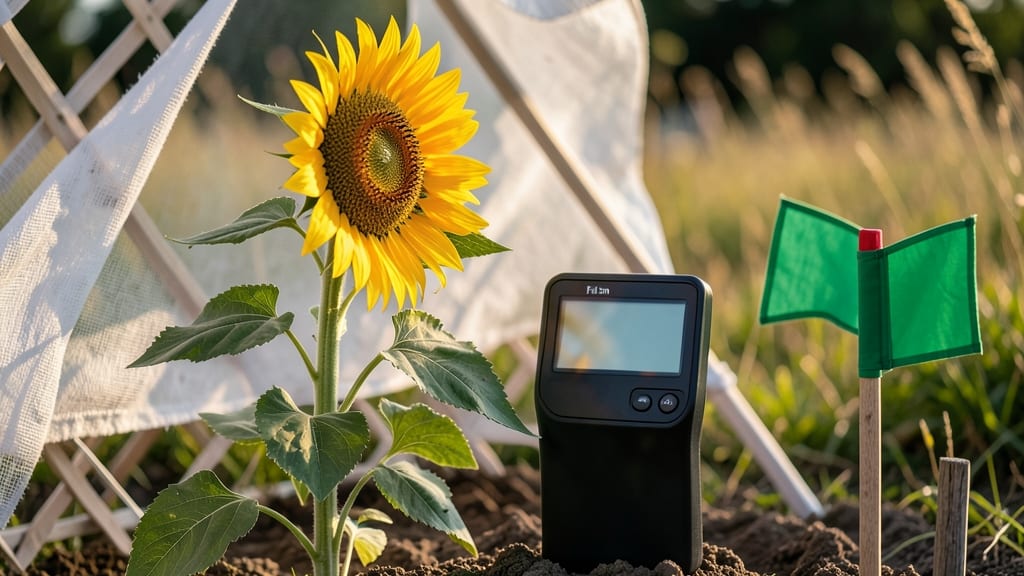
A garden needs between 6 and 10 hours of sunlight daily to thrive, but the exact amount depends on what you're growing—too little stunts growth, while too much can scorch leaves.
Struggling to decide where to place your plants? The right amount of sunlight can mean the difference between a thriving garden and a struggling one—yet most gardeners get this critical factor wrong.
Whether you're growing sun-loving tomatoes or shade-tolerant ferns, understanding your garden's light exposure is the key to fast, healthy growth.
Most vegetables and flowering plants need at least 6 hours of direct sun to produce well, while herbs like basil and oregano thrive with 8 to 10 hours. On the flip side, leafy greens and some perennials do just fine with 3 to 6 hours of partial shade.
In this guide, I’ll break down the sunlight needs for different plant types, show you how to measure sunlight in your garden, and share tips to optimize your layout for the best possible results—no guesswork required.


Sunlight requirements by plant type: full sun vs. partial shade vs. low light needs
Understanding your garden's sunlight patterns is the first step to creating a thriving space. Most plants fall into three broad categories based on their sunlight needs: full sun (6+ hours), partial shade (3-6 hours), and low light (under 3 hours).
Getting this right can double your harvest or keep your flowers blooming all season. Let's break down exactly what each category means and which plants thrive in them.
Full sun plants are the powerhouses of the garden, requiring at least 6 hours of direct sunlight daily. These are typically vegetables like tomatoes and flowers like sunflowers that need intense light for photosynthesis.
Partial shade plants, like coleus or hostas, prefer 3 to 6 hours of sunlight and can tolerate some afternoon shade. Low light plants, such as ferns or calatheas, thrive with less than 3 hours of direct light and are perfect for shady corners.
Here's a quick reference to help you categorize your garden space and select the right plants for each area:
Vegetables like tomatoes, peppers, and eggplants absolutely need full sun to produce high yields. Without enough light, they'll grow tall and leggy with few fruits. Even leafy greens like lettuce and spinach prefer 6+ hours of sunlight for optimal growth, though they can tolerate slightly less.
If you're growing these in containers, place them where they'll get the most sun throughout the day.
Herbs such as basil, oregano, and thyme also thrive in <
How to measure sunlight in your garden and adjust plant placement for optimal growth
Understanding your garden's sunlight patterns is the first step to creating a thriving, high-yield space. Most gardeners overlook how sunlight shifts throughout the day and seasons—yet these changes dramatically affect plant health.
For example, a tomato plant in morning sun may thrive, while the same plant in hot afternoon sun could wilt without proper care. Let's break down how to measure sunlight accurately and adjust your garden layout for peak performance.
Start by observing your garden in one-hour increments from sunrise to sunset. Use a simple sunlight journal or smartphone app to track how much direct light each area receives. Note whether sunlight is full sun (6+ hours), partial shade (3-6 hours), or low light (under 3 hours).
This will help you map your garden's microclimates, which can vary even within a few feet.
How Many Hours of Sunlight Does a Garden Need?
- Full Sun (6+ hours): Ideal for tomatoes, peppers, and sunflowers. Place these in the southernmost areas of your garden where sunlight lasts longest.
- Partial Shade (3-6 hours): Perfect for basil, lettuce, and impatiens. These thrive in morning sun with afternoon shade, especially in hot climates.
- Low Light (Under 3 hours): Best for hostas, ferns, and caladiums. These plants grow well in northern exposures or under tree canopies.
- Seasonal Adjustments: Summer sunlight lasts longer than winter—adjust plant placement every 3 months to account for these changes.
- Morning vs. Afternoon: Morning sun is gentler; afternoon sun can scorch delicate plants. Rotate plants seasonally to balance exposure.
Once you've mapped your garden's sunlight zones, group plants with similar needs together. For instance, place sun-loving vegetables like cucumbers and eggplants in the sunniest spots, while shade-tolerant herbs like cilantro or parsley can thrive in partial shade.
This not only maximizes growth but also reduces competition for resources like water and nutrients.
Don’t forget to account for seasonal sunlight shifts. In summer, days are longer, and sunlight may last up to 14 hours in some regions, while winter sunlight might drop to just 8 hours.
Adjust your garden layout twice a year—once in spring and again in fall—to ensure plants get the right amount of light. For example, move heat-sensitive plants like spinach to shadier spots in summer but return them to sunnier areas in cooler months.
Pro tip: Use reflective surfaces like light-colored mulch or white gravel to bounce extra sunlight onto plants in shadier areas. This can increase light exposure by up to 20%, helping plants like basil or lettuce grow stronger.
Just avoid placing reflective surfaces too close to sun-loving plants, which can cause overheating.
Finally, monitor your plants' responses to their new locations. If leaves turn yellow or plants grow leggy, they may need more light. Conversely, if leaves scorch or wilt, they’re getting too much sun.
Adjust gradually—move plants incrementally over a week or two—to avoid shocking them. With a little experimentation, you’ll find the perfect balance for a garden that flourishes year-round.