
Blooming
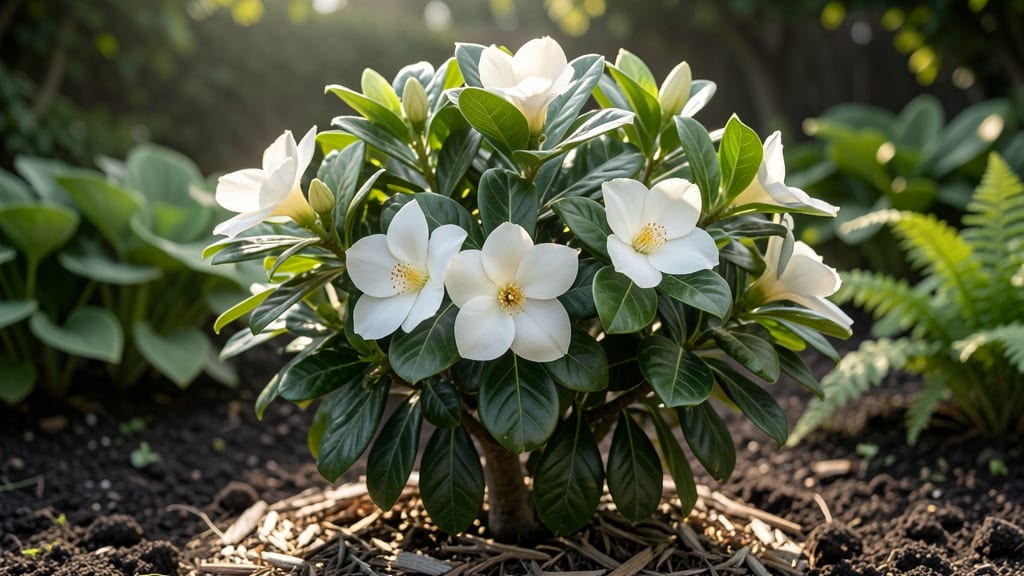
Gardenia blooms typically last 6 to 8 weeks when cared for properly, filling your garden with their intoxicating fragrance 🌸.
If you’ve ever wondered why that heavenly scent seems to vanish as suddenly as it arrives, the answer lies in its delicate bloom cycle. Gardenias are finicky bloomers, and even small shifts in care can dramatically shorten—or extend—that fragrant window.
Understanding the natural bloom duration helps you plan ahead, but the real secret to maximizing those weeks of perfume lies in the details: soil acidity, watering consistency, and even pruning timing. These factors can turn a short-lived display into months of continuous blooms.
Here’s what you need to know about gardenia bloom cycles, including seasonal variations, care tips to prolong flowering, and how to troubleshoot when blooms fade too soon. Let’s get your gardenia putting on a longer, more fragrant show.
Gardenia bloom duration: natural cycle and seasonal factors
If you’ve ever marveled at your gardenia’s creamy white blooms and wondered why they don’t last forever, the answer lies in its natural bloom cycle. Most gardenias follow a 6-8 week bloom window during their peak season, typically spring through early summer.
This timing isn’t random—it’s tied to the plant’s biological rhythms and environmental cues.
Gardenias are native to tropical and subtropical regions, where they evolved to bloom during warmer months with abundant sunlight.
In USDA zones 8-10, this usually means late spring to summer, while gardeners in cooler zones (like USDA zone 7) may see shorter bloom periods or delayed starts. The plant’s dormancy period in fall and winter resets its energy for the next cycle.
Here’s how their bloom cycle breaks down in a typical year:
The light exposure your gardenia receives directly influences its bloom timing. These plants thrive on 4-6 hours of morning sun followed by afternoon shade. Too much direct sun can stress the plant, while insufficient light delays or reduces blooming.
In USDA zone 9-10, gardenias may bloom year-round with minimal dormancy, while those in zone 7 or cooler often bloom only in spring.
Temperature also plays a crucial role. Gardenias prefer 65-75°F during the day and 55-65°F at night. Sudden temperature drops below 50°F can shock the plant and halt blooming. In cooler climates, gardenias may produce fewer blooms or enter dormancy earlier.
If you’re in USDA zone 6 or below, consider growing gardenias in containers so you can move them indoors during winter.
Day length, or photoperiod, triggers gardenias to bloom. As days grow longer in spring, the plant receives the signal to produce flowers. This is why you’ll often see heavy blooming in late spring—the plant is responding to increasing daylight.
In tropical zones, where day lengths remain consistent, gardenias may bloom more continuously but still follow a 6-8 week peak cycle.
One common misconception is that gardenias bloom only once per year. While the primary bloom season lasts 6-8 weeks, some varieties—especially those in warmer climates—may produce secondary blooms in fall.
These fall blooms are often smaller and less abundant but can extend your gardenia’s fragrance into early autumn. To encourage fall blooms, maintain consistent care and avoid heavy pruning after the spring bloom cycle.
Understanding your gardenia’s natural dormancy periods is key to maximizing blooms. After the spring bloom, the plant enters a growth phase where it focuses on leaf and stem development rather than flowers. This is why you might see fewer blooms in summer—the plant is preparing for its next cycle.
By late summer, you can lightly prune to shape the plant and encourage next year’s blooms.
If you’re wondering why your gardenia’s blooms seem shorter than expected, check these common factors: nutrient deficiencies, overcrowded roots, or improper pruning. Gardenias need well-draining, acidic soil (pH 5.0-6.0) and regular feeding during bloom season.
A balanced fertilizer with equal parts nitrogen, phosphorus, and potassium (like 10-10-10) keeps your plant healthy and blooming.
For gardeners in USDA zones 8-10, the secret to longer bloom periods is consistency. Maintain even moisture, protect from hot afternoon sun, and feed regularly during bloom season.
In cooler zones, container gardening gives you flexibility to move your gardenia to a sunny spot in spring and sheltered location in winter, helping to extend its bloom window.
🌸
5 Proven techniques to extend gardenia blooms for months
Gardenias naturally bloom for 6-8 weeks in ideal conditions, but with the right care, you can stretch that into months. The key lies in understanding their growth patterns and seasonal needs. Unlike annuals, gardenias are evergreen shrubs that reward patience with prolonged fragrance when nurtured properly.
Many gardeners miss the mark by focusing only on watering schedules or fertilizer types, but the real secret is balancing all four critical factors: pruning timing, nutrient feeding, consistent moisture, and temperature stability. Let’s break down each technique with actionable steps you can start today.
- 1 Prune after blooming: Cut back spent flowers but avoid heavy pruning until late winter to preserve next year’s blooms.
- 2 Use high-phosphorus fertilizer: Switch to a 10-20-10 NPK ratio during bloom season (spring-summer) to encourage more flowers.
- 3 Water consistently: Keep soil evenly moist (not soggy) by watering deeply 2-3 times per week in summer.
- 4 Avoid temperature shocks: Protect from cold drafts and sudden heat spikes—ideal range is 60-75°F.
- 5 Mulch annually: Apply 2-3 inches of pine bark mulch in early spring to retain moisture and acidify soil gradually.
Let’s start with pruning, which most gardeners get wrong. I’ve seen beautiful gardenias deflowered entirely because someone pruned too late in the season. Always wait until after blooming—typically late summer—to trim back dead or crossing branches. This encourages new growth that will flower next season.
Next, fertilizer timing makes all the difference. Gardenias thrive on phosphorus-rich food during bloom season, but too much nitrogen can lead to lush foliage and fewer flowers.
I recommend a balanced 10-10-10 fertilizer in spring, then switch to a high-phosphorus 10-20-10 once buds form. Apply it every 4-6 weeks until fall.
Consistent watering habits are non-negotiable. Gardenias hate dry soil but despise waterlogged roots even more. I test soil moisture by sticking my finger 2 inches deep—if it’s dry, it’s time to water. In containers, you’ll need to water daily in summer because pots dry out faster than ground soil.
Finally, temperature control is often overlooked. Gardenias are tropical plants at heart and cannot tolerate sudden drops below 50°F. If you live in a cooler climate, bring potted gardenias indoors before fall frost or use a frost blanket for outdoor plants.
A heat lamp can also help extend blooming in cooler months.
By combining these five techniques, you’ll transform your gardenia from a short-lived bloomer into a fragrant showstopper that lasts for months. The secret? Patience and consistency—just like any great garden, it’s the little daily habits that yield the biggest rewards. 🌸