
Size
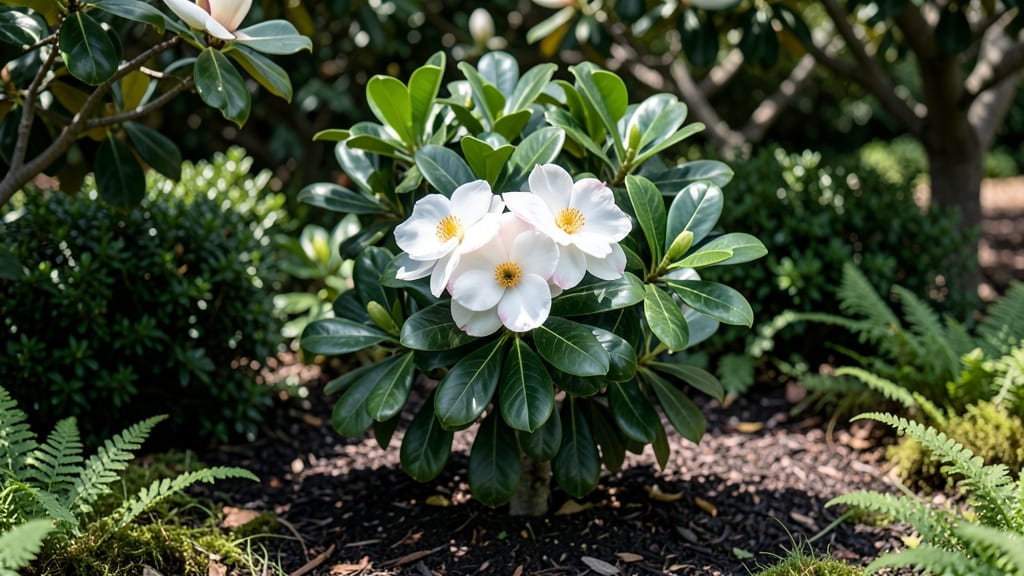
Gardenias grow to heights of 3 to 6 feet at maturity, but their size depends on the variety and how you prune them—so choosing the right type for your space is everything.
Picture this: a fragrant 🌸 gardenia towering over your patio furniture, or a compact one tucked into a container on your balcony. The difference isn’t just aesthetics—it’s about whether your gardenia thrives or struggles. Some varieties stay under 3 feet, while others reach 10 feet if left unchecked.
In this guide, I’ll break down the most popular gardenia varieties, their mature sizes, and how pruning can keep them in check—whether you want a shrubby statement plant or a neat container specimen.
You’ll also learn the best spots for each type, from full sun to shade, so you can pick the perfect fit for your garden.
By the end, you’ll know exactly which gardenia will fill your space beautifully—without taking over it. Let’s get started!


Gardenia varieties and their mature heights: a size comparison guide
Choosing the right gardenia variety isn’t just about fragrance—it’s about space planning. Some varieties stay compact enough for containers, while others grow into towering shrubs that need landscape room.
Knowing their mature heights helps you avoid overcrowding or underutilized space. For example, G. jasminoides is the most common type, but its height can vary wildly depending on the cultivar.
If you’re working with limited space, dwarf varieties like ‘Kleim’s Hardy’ or ‘Radicans’ are game-changers. These stay under 5 feet tall, making them perfect for patios or small gardens.
Meanwhile, varieties like G. augustifolia can reach 10–15 feet, turning them into statement plants for large landscapes or privacy screens.
Here’s the key: pruning and climate influence final height. Gardenias in warm, humid climates (Zones 7–10) grow faster and taller, while cooler zones may see slower growth. Even within the same variety, a heavily pruned plant might stay 30% shorter than its unpruned counterpart.
When planning your garden, think about vertical space. A 6-foot gardenia like ‘Veitchii’ can serve as a living trellis for climbing plants, while a 10-foot variety like G. augustifolia can create a fragrant privacy hedge.
For containers, stick to varieties under 4 feet tall—they’ll thrive in 15–20 gallon pots with proper drainage.
Don’t forget about spread vs. height. Some gardenias, like G. radicans, have a wider spread than height, making them ideal for ground covers or cascading over edges.
Others, like G. jasminoides, grow more upright. Measure your space carefully—3 feet of spread can disappear quickly in a small garden!
If you’re in a cooler climate (Zones 6–7), expect slower growth and slightly smaller mature sizes. Gardenias in these zones often need winter protection, like mulch or burlap wraps, which can also influence their final height. In warmer climates, they grow faster and taller, so plan accordingly.
Pro tip: Prune strategically to control height. Light pruning after blooming encourages bushier growth, while hard pruning in late winter can reduce height by up to 25%. Just avoid heavy pruning in spring—it can delay flowering and stress the plant.
For container gardeners, choose dwarf varieties and prune regularly to maintain size. A 4-foot gardenia in a pot can still spread 3 feet wide, so leave plenty of room for roots.
Use acidic potting mix and ensure the container has drainage holes—waterlogged roots are a common killer of potted gardenias.
Remember, fragrance comes with patience. Smaller varieties may take 2–3 years to reach their mature height and produce full blooms, while larger shrubs can take 4–5 years. Plan your garden layout with this timeline in mind to avoid frustration.
Now that you know the height ranges, pick the perfect gardenia for your space—and enjoy those intoxicating blooms without the space-crushing surprises! 🌸
How pruning affects gardenia growth: timing, techniques & size control
Pruning your gardenia isn’t just about keeping it tidy—it’s the key to controlling its mature size while maximizing those fragrant blooms you love. When done right, pruning encourages bushier growth and more flowers, but timing and technique matter.
For example, pruning at the wrong time can stunt growth or even invite pests like spider mites. Let’s break down how to prune for both size control and optimal blooming.
Most gardenias grow between 3 to 6 feet tall, but their spread can reach 4 to 5 feet wide if left unchecked. If your gardenia is outgrowing its space, strategic pruning can shrink its height by up to 30% in a single season.
However, aggressive pruning can backfire—cutting too much can reduce flowering and weaken the plant. The secret lies in selective pruning and understanding when to intervene.
⚠️ Pruning Mistakes That Stunt Gardenias
Over-pruning in one session can shock your gardenia, leading to fewer blooms and slower recovery. Avoid cutting more than 1/3 of the plant at once. Also, pruning after blooming season (June–July) risks removing next year’s flower buds. Always prune right after flowering (late summer) for best results.
Start by gathering your tools: sharp bypass pruners for clean cuts, sterilized alcohol wipes to prevent disease spread, and gloves to protect from sap irritation. Before you begin, inspect your gardenia for dead or diseased branches—these should be removed first, regardless of timing.
Healthy branches can wait until the ideal pruning window, which is late summer to early fall (August–September).
To reduce size, focus on cutting back overgrown branches by up to 1/3 of their length, but never prune below the lowest set of leaves. This encourages new growth lower on the stem, creating a fuller shape.
For example, if your gardenia is 6 feet tall but you want it at 4 feet, trim the topmost 2 feet of the tallest branches. Always make cuts at a 45-degree angle just above a leaf node to promote healing.
Timing is everything when it comes to blooms. If you prune too early (spring), you’ll sacrifice next year’s flowers. If you prune too late (winter), the plant won’t have time to recover before spring growth.
The best time to prune for blooms is immediately after the flowering season ends, typically in late August or early September. This gives the plant time to develop new buds before winter dormancy.
After pruning, monitor your gardenia for signs of stress, like yellowing leaves or dropping buds. If this happens, reduce watering slightly and avoid fertilizing for 4–6 weeks to help the plant recover.
With proper care, your gardenia will bounce back with lush foliage and even more fragrant blooms next season. Just remember: patience and precision are your best tools for managing size without sacrificing beauty.