
Aphids
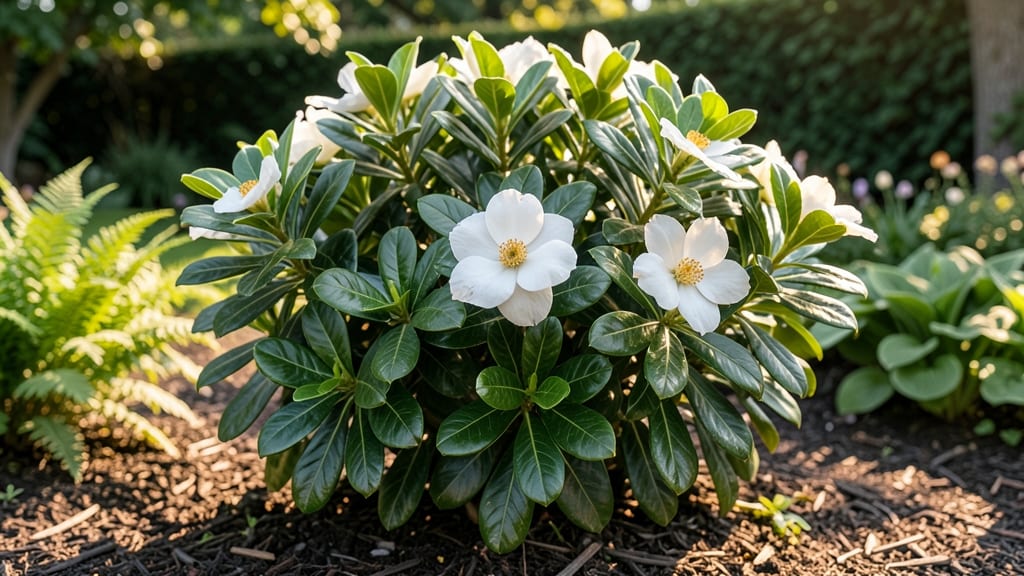
Understanding gardenia height and width is the key to shaping a shrub that stays lush, fragrant, and manageable—especially when you’re working with limited space or aiming for that perfect garden centerpiece.
If your gardenia is growing wild and unruly, you’re missing out on its full potential—these fragrant shrubs thrive when properly pruned to maintain their ideal height and width, while maximizing blooms.
Most gardenias 🌸 mature between 3 and 6 feet tall and spread 3 to 5 feet wide, but varieties like Gardenia jasminoides can reach even taller if left unchecked. Knowing these dimensions helps you plan spacing, airflow, and pruning for healthier growth.
Below, I’ll break down how to control gardenia size—whether you’re growing them in the ground, containers, or need compact varieties for small spaces—so you can keep them thriving without sacrificing those intoxicating blooms.

Natural gardenia height and width: understanding growth patterns by variety
If you’ve ever wondered why your gardenia jasminoides seems to grow in unpredictable spurts, it’s likely because different varieties have distinct mature height and width patterns. Understanding these growth habits helps you plan spacing, pruning, and even container sizes for optimal blooms.
For example, a standard gardenia can reach 6 feet tall while dwarf varieties stay under 3 feet—a huge difference for small gardens!
Gardenias grow at a moderate pace, typically adding 6-12 inches per year until they reach maturity. Their width often matches their height, creating a balanced, rounded shrub. However, factors like sunlight, soil quality, and pruning habits can accelerate or slow growth.
For instance, a sun-drenched gardenia may grow taller faster, while one in partial shade stays more compact.
Below is a breakdown of the most popular gardenia varieties, their mature dimensions, and how their growth habits influence your garden layout. Whether you’re planting in landscapes, containers, or mixed borders, knowing these details ensures your gardenia thrives without overpowering other plants.
When planning your garden, consider the spread of gardenia roots, which can extend 1.5-2 times the width of the shrub. For example, a 4-foot-wide gardenia may need 6-8 feet of space to prevent root competition with nearby plants.
This is especially critical in small gardens or urban landscapes where space is limited.
If you’re growing gardenias in containers, choose pots that are 2-3 inches larger in diameter than the plant’s current root ball. For dwarf varieties like 'Radicans', a 12-15 inch pot is ideal, while standard types need 18-24 inch containers to accommodate their mature size.
Ensure containers have drainage holes to prevent root rot, a common issue with gardenias.
Gardenias in USDA Zones 8-10 grow more aggressively due to longer growing seasons, while those in Zones 6-7 may grow slower and stay more compact. In cooler climates, gardenias often grow as evergreens with slower height increases, focusing energy on foliage density rather than vertical growth.
This makes them ideal for hedges or foundation plantings where height control is desired.
Pruning plays a key role in managing gardenia height and width. Light annual pruning encourages bushier growth, while hard pruning (cutting back by 1/3) can reset a leggy gardenia to a more compact shape. Always prune after flowering to avoid removing
Pruning techniques to control gardenia height and width without sacrificing blooms
Pruning your gardenia isn’t just about keeping it tidy—it’s about balancing growth and encouraging blooms. When done correctly, pruning helps maintain your shrub’s ideal height and width while preventing overcrowded branches that can reduce flowering.
The key is timing, technique, and knowing how much to trim without harming your plant’s natural shape.
Most gardeners make the mistake of pruning at the wrong time or using the wrong tools, which can stunt growth or even kill branches. For example, cutting too aggressively in late summer can leave your gardenia vulnerable to frost damage in colder climates.
The right approach ensures your shrub stays compact yet lush, with plenty of room for those iconic white flowers.
⚠️ Critical Pruning Mistake: Never Prune in Fall or Winter
Pruning gardenias during fall or winter removes next year’s flower buds, which form on old wood. This can lead to fewer blooms or even leggy growth as the plant struggles to recover. Always prune in late winter or early spring (just before new growth begins).
Start by identifying dead or diseased branches—these should be removed first, as they drain energy from healthy growth. Use clean, sharp pruners to make cuts at a 45-degree angle, about ¼ inch above a leaf node.
This encourages new growth in the right direction and prevents water from pooling on the cut, which can cause rot.
For height control, focus on trimming the topmost branches by up to ⅓ of their length. This encourages the plant to bush out wider while keeping it from becoming too tall.
To manage width, trim back any branches that are rubbing against each other or growing inward. This improves air circulation, reducing the risk of fungal diseases like powdery mildew.
If your gardenia has become overgrown or leggy, you can perform a renewal pruning in early spring. This involves cutting back up to half of the plant’s height, but only do this every 3-4 years to avoid shocking the shrub.
After pruning, apply a balanced fertilizer (like 10-10-10) to support new growth and blooming.
Finally, avoid the temptation to prune right after flowering. Gardenias bloom on old wood, so cutting back too late in the season can reduce next year’s flowers.
Always wait until late winter or early spring to prune, and you’ll enjoy a fuller, healthier shrub with abundant blooms all season.