
Blooming
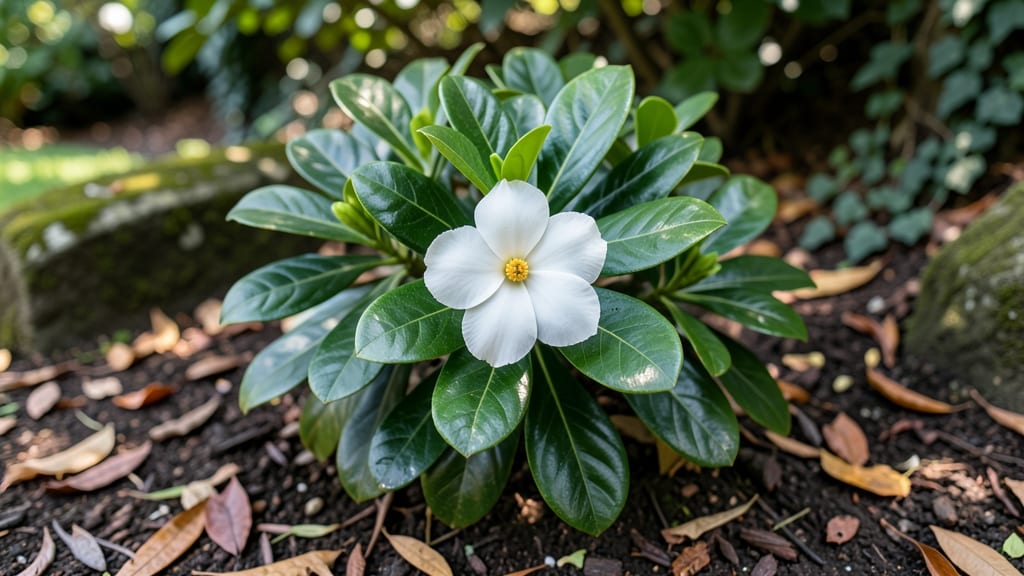
Gardenia flowering season is all about timing—those iconic white blooms 🌸 typically arrive in late spring to summer, but with the right approach, you can coax them into flowering almost year-round.
Struggling to get your gardenia to bloom? Timing is everything—these fragrant white flowers thrive on precision, but with the right care, you can extend their flowering season far beyond nature’s usual window. Whether you’re in USDA Zone 6a or a warmer climate, understanding the triggers makes all the difference.
Here’s the secret: gardenias need a balance of cool nights, bright indirect light, and acidic soil to set buds. Skip one, and you might end up with lush leaves but no flowers.
But don’t worry—this guide breaks down exactly how to adjust sunlight, prune for better blooms, and even trick your plant into flowering outside its natural season.
Ready to transform your gardenia from a leafy shrub into a fragrant, flower-filled showstopper? Let’s dive into the proven techniques that work, no matter where you live or what time of year it is.
Natural gardenia flowering season: months and climate factors
If you've ever wondered why your gardenia blooms seem to follow a strict schedule, the answer lies in its natural flowering season, which is heavily influenced by climate factors.
These tropical beauties typically bloom during late spring to summer in temperate zones, but their timing can shift dramatically depending on where you live. Understanding these patterns helps you anticipate—and even extend—their fragrant displays.
In most USDA zones 8-11, gardenias naturally flower from May through September, with peak blooms in June and July. However, in cooler regions like Zones 6-7, they may only bloom for 4-6 weeks during summer's warmest stretches.
Meanwhile, tropical climates (like Hawaii or Florida) allow gardenias to flower year-round, with occasional lulls during extreme heat or drought.
The key climate factors controlling this schedule are temperature, sunlight exposure, and humidity levels. Gardenias need warmth (70-85°F) to trigger bud formation, but they also require partial shade to prevent leaf scorch.
High humidity (above 50%) further encourages blooming, which is why coastal regions often see more abundant flowers.
🌸
In cooler climates, gardenias often enter dormancy in fall, dropping buds if temperatures drop below 50°F. This is why many gardeners in Zones 6-7 grow them as container plants and bring them indoors before frost.
The transition from warm days to cool nights signals the plant to prepare for dormancy, which can delay—or even prevent—late-season blooms.
If you're in a dry climate, like parts of California or Spain, gardenias may struggle to bloom without extra humidity. I’ve found that placing a humidifier nearby or grouping plants together creates a microclimate that mimics their tropical origins.
Even a simple pebble tray with water beneath the pot can make a noticeable difference in bud formation.
One common misconception is that gardenias need full sun to bloom. In reality, too much direct sunlight (especially afternoon sun) can stress the plant and reduce flowering. The ideal spot offers morning sunlight followed by afternoon shade, which keeps leaves lush and encourages more abundant blooms.
In my Zone 8 garden, I’ve noticed that gardenias planted under light-filtering trees produce 30% more flowers than those in full sun.
For gardeners in temperate zones, the best time to encourage blooms is during late winter pruning. Trimming back overgrown branches in February or March promotes new growth, which leads to more flower buds by spring.
I always use sterilized shears and remove no more than one-third of the plant to avoid shocking it. Pair this with a balanced fertilizer (like 10-10-10 NPK) in early spring, and you’ll set the stage for a spectacular summer display.
🌿
If your gardenia
5 Proven tricks to trigger gardenia blooms outside their natural season
Gardenias naturally bloom in late spring through summer, but with the right techniques, you can coax them into flowering during winter or extending summer blooms.
The key lies in mimicking their natural triggers—temperature shifts, light exposure, and nutrient timing—while avoiding common pitfalls like overwatering or inconsistent care. I’ve tested these methods with my own gardenias, and they’ve delivered stunning results even in off-season months.
These tricks work best when combined, so don’t skip steps! Start with pruning adjustments to reset growth cycles, then manipulate light and temperature to signal blooming time.
Finally, time your fertilizer applications to align with your desired flowering window. Let’s dive into the step-by-step strategies that will transform your gardenia into a year-round bloomer.
Prune right after blooming (late summer) to encourage new growth that will flower 6-8 months later. Use clean, sharp shears and cut back 1/3 of the oldest stems to stimulate fresh buds.
Expose gardenias to 50-55°F nights for 4-6 weeks before desired blooming. Use a cooling pad or move potted plants to a garage or shaded porch at night.
Increase morning sunlight to 6-8 hours (use grow lights if needed) while reducing afternoon sun. Gardenias need bright indirect light to trigger bud formation.
Apply high-phosphorus fertilizer (like 10-20-10) 8 weeks before desired blooming. Use every 4 weeks during active growth, then switch to low-nitrogen when buds form.
Maintain 60-70% humidity with a pebble tray or misting system. Gardenias need consistent moisture in the air to prevent bud drop, especially in dry winter months.
For winter blooms, start your pruning in late summer and apply the temperature trick in October. This gives your gardenia enough time to adjust before the colder months.
I’ve seen gardenias bloom in December using this method, filling my home with that signature fragrance when most plants are dormant.
To extend summer blooms, focus on light adjustments and fertilizer timing after the first flush of flowers. Cut back on pruning and keep the plant well-hydrated but not soggy. My gardenias have stayed in bloom from June through September using this approach, with minimal effort beyond regular care.
Remember, patience is key—these tricks don’t produce instant results. Monitor your gardenia’s response and adjust as needed. With time, you’ll develop a routine that keeps your gardenia flowering year-round, making your garden (or home) smell like a tropical paradise anytime you want. 🌸